In the rapidly evolving landscape of industrial automation and smart systems, proximity sensors have transcended their traditional role of simple object detection. A sophisticated and increasingly prevalent application is their integration into face recognition technology. This convergence is not about the optical cameras used in smartphones, but rather a specialized subset focusing on presence, approach, and basic facial contour detection in challenging environments where vision-based systems may falter.
At its core, a proximity sensor is a device that detects the presence or absence of an object within a certain field without physical contact. Common types include inductive (for metals), capacitive (for both metals and non-metals), ultrasonic, and photoelectric sensors. When we discuss their "face" in the context of recognition, we refer to the sensor's sensing face or active surface—the critical front-end interface where detection occurs. This "face" is the point of interaction with the target, and its characteristics are paramount.
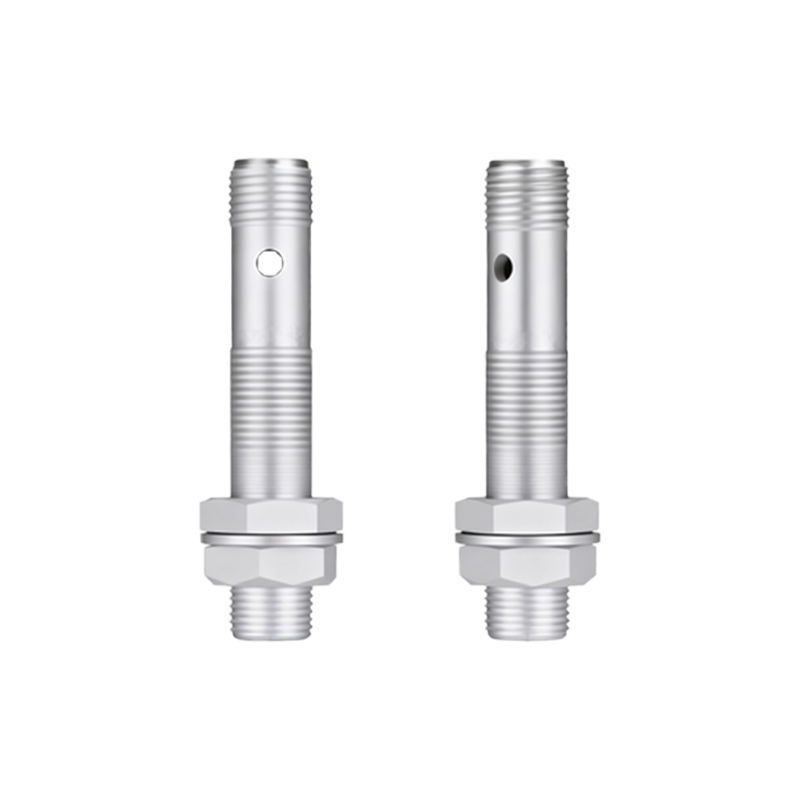
For facial recognition applications, capacitive and ultrasonic proximity sensors are particularly relevant. Capacitive sensors can detect the human body due to its dielectric properties. A specialized array of capacitive sensing elements can be configured to map the general contour or proximity of a human head. This isn't about identifying an individual's unique facial features like a high-resolution camera would, but about detecting the presence of a human face within a specific zone and distinguishing its general shape from other objects. This is crucial for applications like driver monitoring systems in vehicles, where the sensor detects if a driver's face is turned away from the road or if a passenger is present, all while operating reliably in varying light conditions.
Ultrasonic sensors, which measure distance based on sound wave reflection, offer another "face" for recognition. By emitting ultrasonic pulses and analyzing the return signals, an array can create a rudimentary 3D profile of an object in its field. This can be used to detect the presence of a face, the tilt of a head, or even simple gestures. Their performance is largely unaffected by dust, smoke, or lighting, making them robust for industrial safety gates or hands-free control panels in manufacturing settings.
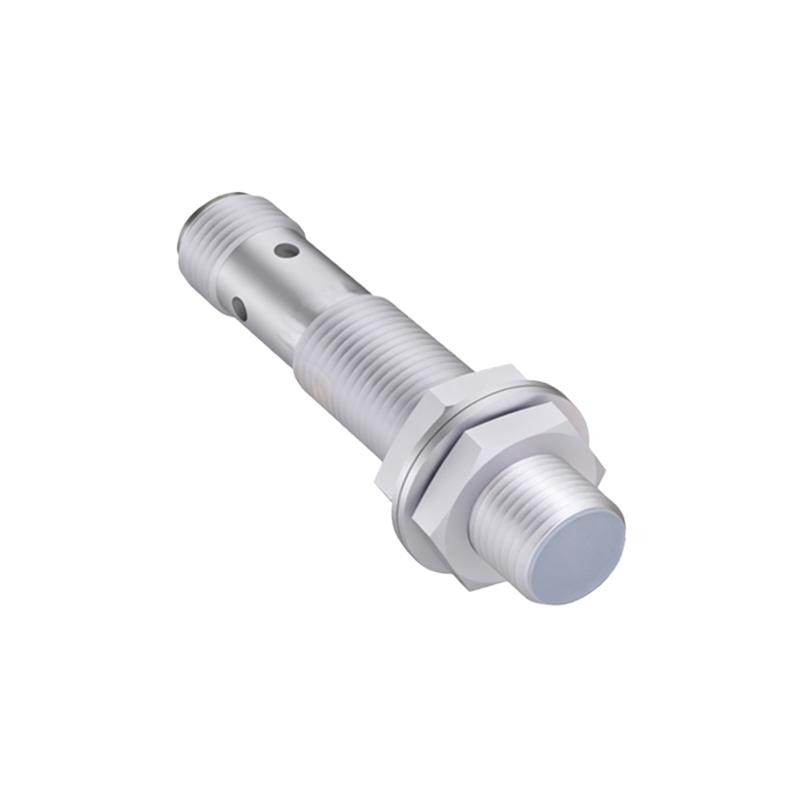
The "face" of the sensor in these systems is engineered for specificity. The sensing surface may consist of multiple, individually addressable electrodes (in capacitive types) or transducers (in ultrasonic types). Advanced signal processing algorithms interpret the data from these arrays. For instance, a capacitive sensor array might detect the distinct capacitance pattern caused by a human head's proximity compared to a uniform metal object. This processing turns raw proximity data into actionable "recognition" events: "face present," "face oriented left," or "head too close."
Key advantages of using proximity sensors for such face-related detection include robustness and privacy. They function consistently in complete darkness, bright sunlight, or through thin non-metallic materials. They do not capture detailed visual images, thus alleviating significant privacy concerns associated with optical cameras. Their response time is extremely fast, suitable for real-time safety applications. Furthermore, they are often more cost-effective and less computationally intensive than complex machine vision systems for basic detection tasks.
However, it is vital to understand the limitations. This technology, in its current mainstream form, does not perform biometric identification—it cannot recognize who a person is. Its "recognition" is limited to presence, approximate shape, and basic orientation. It is a tool for situational awareness rather than identity verification.
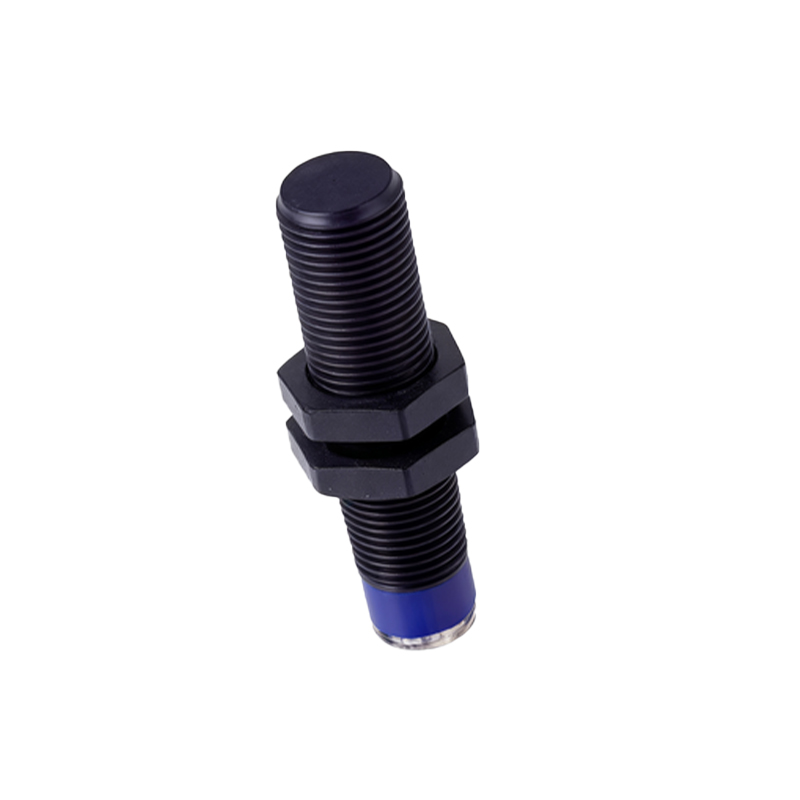
Applications are diverse. In automotive interiors, sensor arrays monitor driver alertness. In smart home appliances, a simple capacitive sensor behind a plastic panel can turn on a display when a face approaches. In industrial machinery, ultrasonic sensors ensure an operator's face and torso are at a safe distance before initiating a cycle. In public interactive kiosks, they can wake up the device only when a person is directly in front of it, conserving energy.
The future "face" of this technology points towards greater integration and intelligence. Combining proximity sensor arrays with low-resolution thermal imaging or time-of-flight (ToF) sensors can enhance detection reliability. Edge computing allows for more sophisticated pattern recognition directly on the sensor module. As the Internet of Things (IoT) expands, these anonymous, non-intrusive detection systems will become ubiquitous for adaptive and responsive human-machine interfaces.
In conclusion, the "face" of a proximity sensor in recognition technology is its functional interface, engineered to detect the human form through non-optical means. By leveraging capacitive, ultrasonic, or other principles, these sensors provide a reliable, private, and robust method for detecting human presence and basic orientation. They represent a critical, if often unseen, layer of sensing that enables smarter, safer, and more intuitive interactions between humans and machines across automotive, industrial, and consumer electronics domains.