Laser sensors are critical components in modern industrial automation, providing precise, non-contact measurement and detection. However, a common operational issue encountered by engineers and maintenance personnel is sensor flickering—an intermittent or unstable output signal that can compromise system reliability and data accuracy. This article delves into the primary causes of laser sensor flickering and offers practical solutions grounded in engineering principles.
The phenomenon of flickering in laser sensors typically manifests as erratic output signals, where the sensor may intermittently fail to detect an object or provide fluctuating measurement values despite stable target conditions. This instability often stems from environmental, optical, or electrical factors. A thorough understanding of these root causes is essential for effective troubleshooting.
One of the most prevalent causes is environmental interference. Industrial settings frequently expose sensors to contaminants such as dust, oil mist, or smoke, which can scatter or absorb the laser beam, leading to signal attenuation or false reflections. For instance, airborne particles in manufacturing plants may intermittently obstruct the beam path, causing the sensor to flicker as it struggles to maintain a consistent reading. Additionally, ambient light interference, particularly from high-intensity sources like welding arcs or direct sunlight, can overwhelm the sensor's receiver, creating noise that mimics or disrupts the intended signal. Engineers must ensure proper sensor selection with adequate shielding or filters, such as polarized lenses or narrow-band optical filters, to mitigate these effects. Regular cleaning of the sensor lens and housing using appropriate, non-abrasive materials is also crucial to prevent buildup that degrades performance.
Optical alignment issues constitute another significant factor. Laser sensors rely on precise beam targeting; even minor misalignment due to vibration, thermal expansion, or mechanical shock can cause the beam to partially miss the target or reflect off unintended surfaces. This is especially problematic in applications involving reflective or transparent objects, where stray reflections or beam penetration can lead to inconsistent detection. For example, a sensor monitoring a glossy metal surface might flicker if the beam angle shifts slightly, alternating between specular reflection and proper diffuse reflection. To address this, ensure robust mounting with vibration-dampening fixtures and perform periodic alignment checks using alignment tools or built-in diagnostic features. For challenging surfaces, consider sensors with background suppression or true background suppression technology, which better distinguish the target from its surroundings.

Electrical and signal integrity problems are equally critical. Voltage fluctuations or electrical noise from nearby equipment, such as motors, variable frequency drives (VFDs), or solenoids, can induce transient disturbances in the sensor's power supply or output circuitry. Poor grounding or improper cable routing—such as running sensor cables parallel to high-voltage lines—can exacerbate electromagnetic interference (EMI), leading to flickering. Furthermore, using undersized or damaged cables may cause voltage drops or signal degradation over long distances. Implement best practices like using shielded cables, grounding the sensor and machinery to a common earth point, and installing line filters or isolated power supplies to stabilize voltage. For networked sensors, ensure protocol compatibility and check for data packet collisions or bandwidth issues that might cause intermittent communication failures.
Sensor-specific factors, including aging components or inappropriate configuration, also contribute to flickering. Over time, the laser diode may degrade, reducing output power and making the sensor more susceptible to interference. Similarly, dirt accumulation on internal optics can diminish performance. Incorrect parameter settings—such as sensitivity thresholds that are too high or too low, or response times mismatched to application speed—can cause unstable operation. For instance, a sensor with an overly fast response time might react to minor environmental fluctuations, while a slow one could miss rapid target movements. Always refer to the manufacturer's datasheet to configure settings like hysteresis, teach-in functions, and output delay appropriately. Regular maintenance, including calibration and component inspection per the maintenance schedule, helps preempt age-related failures.
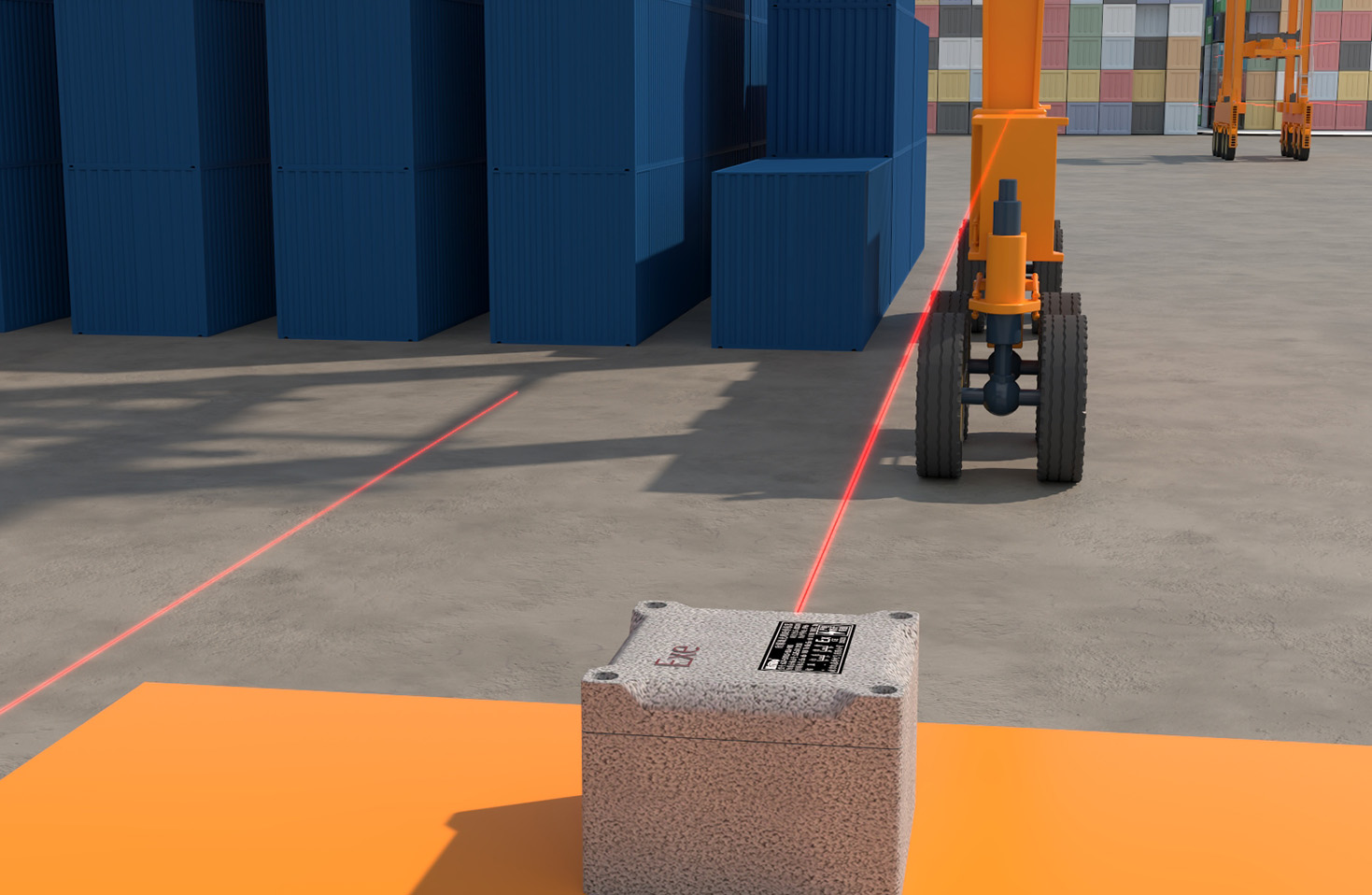
In summary, laser sensor flickering is a multifaceted issue requiring a systematic diagnostic approach. Start by isolating environmental factors, then verify optical alignment and target properties, followed by electrical system checks, and finally assess sensor health and settings. By addressing these areas proactively, engineers can enhance system uptime and measurement precision. As technology advances, newer sensors with enhanced noise immunity, robust housings, and intelligent diagnostics are becoming available, offering longer-term solutions to minimize flickering in demanding industrial environments.