In the rapidly evolving landscape of consumer electronics, the integration of proximity sensors with rear camera systems has become a pivotal design consideration for engineers and manufacturers. This synergy enhances user experience, optimizes power consumption, and ensures device reliability. Proximity sensors, typically utilizing infrared (IR) technology, detect the presence of nearby objects without physical contact. When strategically positioned around rear camera modules, these sensors enable advanced functionalities that are crucial for modern smartphones, automotive systems, and industrial equipment.
The primary role of a proximity sensor in this context is to prevent accidental interactions and improve camera performance. For instance, in smartphones, when a user places the device on a surface or against their ear during a call, the sensor can detect this proximity and automatically disable the touchscreen to avoid unintended inputs. Similarly, in automotive rearview cameras, proximity sensors can trigger alerts or adjust camera settings when obstacles are detected, enhancing safety. The integration involves precise calibration to ensure the sensor does not interfere with camera optics, requiring careful attention to placement, lens coatings, and signal processing algorithms.
From a technical standpoint, the design challenges are multifaceted. Engineers must consider factors such as ambient light interference, sensor response time, and power efficiency. IR-based proximity sensors emit light and measure the reflection to determine distance. However, external light sources can disrupt readings, necessitating the use of modulated signals and filters. The rear camera environment adds complexity due to potential reflections from camera lenses or device housings. Advanced solutions incorporate machine learning algorithms to distinguish between intentional proximity events and environmental noise, thereby reducing false triggers.
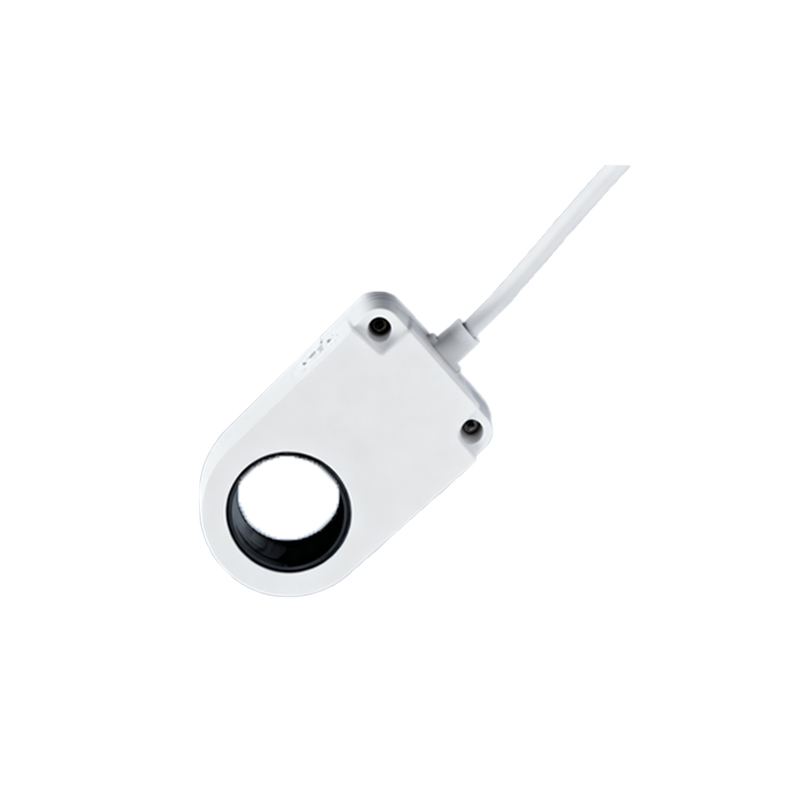
Moreover, the miniaturization trend in electronics demands compact sensor designs that fit seamlessly alongside high-resolution camera modules. This requires collaboration between optical, electrical, and mechanical engineering teams. Materials like black matrix coatings are applied to reduce stray light, while flexible printed circuit boards (PCBs) allow for efficient space utilization. Thermal management is another critical aspect, as both sensors and cameras generate heat that can affect performance if not properly dissipated.
In industrial applications, proximity sensors paired with rear cameras facilitate automation and quality control. For example, in robotic assembly lines, these systems can detect object positions and adjust camera focus accordingly, ensuring precision in manufacturing processes. The durability of such integrations is paramount, often requiring sensors to withstand harsh conditions like dust, moisture, and temperature fluctuations.
Looking ahead, innovations in sensor technology, such as time-of-flight (ToF) and LiDAR integration, are set to revolutionize this field. These advancements promise higher accuracy and faster response times, enabling new features like augmented reality overlays in camera views. As the Internet of Things (IoT) expands, the convergence of proximity sensing and imaging will likely become standard in smart devices, driving further research into energy-efficient and cost-effective solutions.
Ultimately, the successful integration of proximity sensors with rear cameras hinges on a holistic approach to design. By balancing performance, size, and power constraints, engineers can create products that not only meet functional demands but also deliver seamless user experiences. Continuous testing and iteration are essential to address real-world variables, ensuring that these systems operate reliably across diverse scenarios. As technology progresses, this integration will remain a key focus for innovation in the electrical engineering community.