In the intricate world of industrial automation, conveyor systems form the arterial network that keeps production flowing. At the heart of their reliable and efficient operation lies a seemingly simple yet profoundly critical component: the proximity sensor. These unassuming devices are the silent sentinels of the production floor, providing the essential data that transforms a dumb mechanical belt into an intelligent, responsive, and safe material handling system.
Fundamentally, a proximity sensor is a non-contact device that detects the presence or absence of an object within its sensing field without any physical contact. In conveyor line applications, this capability is paramount. The most common types employed are inductive sensors, for detecting metallic objects, and capacitive sensors, which can detect a wider range of materials including plastics, liquids, and wood. Photoelectric sensors, using light beams, are also extensively used for longer-range detection or specific applications like transparency detection.
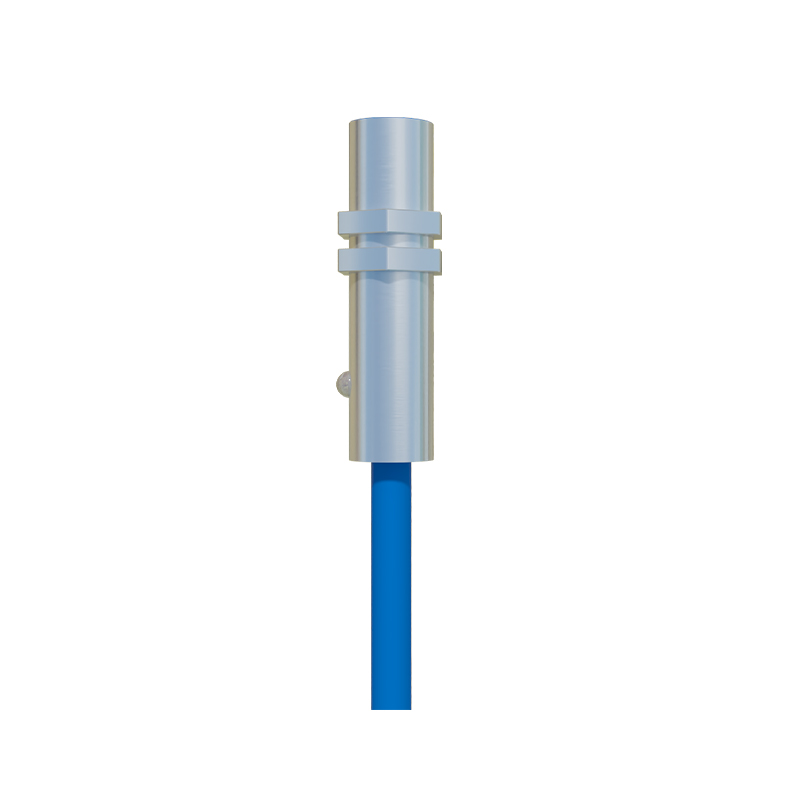
The primary functions of these sensors are multifaceted. First and foremost is Position Detection and Object Counting. Sensors are strategically placed along the conveyor to confirm that a product has reached a specific point. This triggers subsequent actions, such as starting or stopping a process, diverting products to different lanes using pushers or diverters, or initiating robotic pick-and-place operations. By counting these detection events, operators can maintain accurate production counts and manage inventory in real-time.
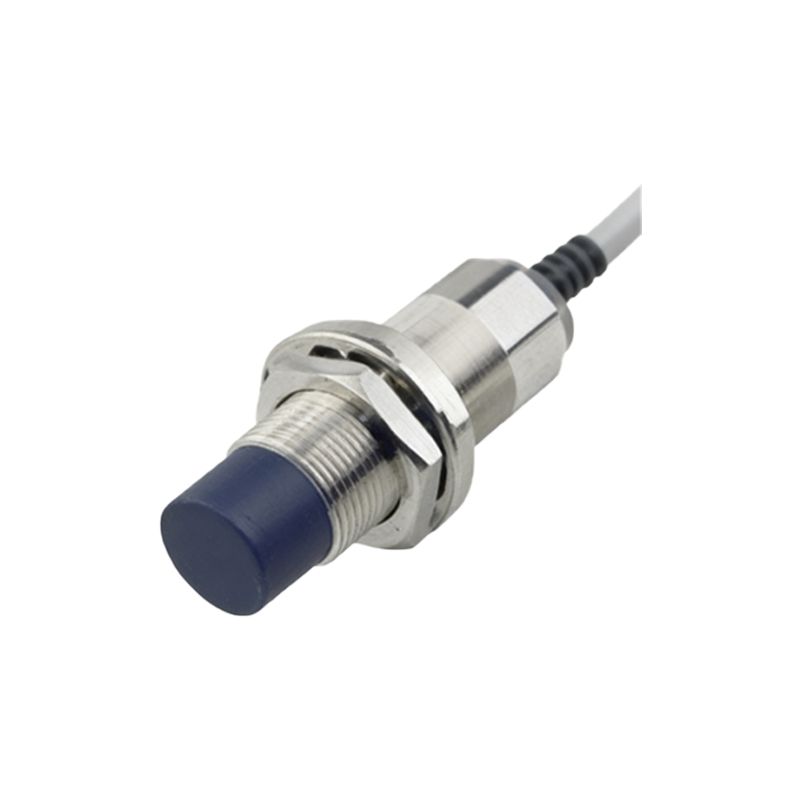
Secondly, they are indispensable for Speed and Synchronization Control. By monitoring the passage of objects at two known points, the system can calculate conveyor speed. This data is crucial for synchronizing multiple conveyors or coordinating with other machines like packaging equipment or palletizers, ensuring smooth handoffs and preventing jams or product damage.
Perhaps one of the most critical roles is in Safety and Jam Prevention. Sensors monitor the flow of materials. If products back up or a jam occurs, the sensor's signal will be absent or present for an abnormally long duration. This immediate feedback allows the Programmable Logic Controller (PLC) to trigger an alarm or automatically shut down the conveyor section to prevent equipment damage, product waste, and potential safety hazards. Furthermore, sensors can ensure safety guards are in place or detect unauthorized access to dangerous zones.
Another advanced application is Level Control in Feeding Systems. In systems where conveyors feed from hoppers or silos, capacitive sensors can monitor the material level, signaling when to start or stop the feeding conveyor to prevent overflows or run dry conditions, thus optimizing the supply chain on the line.
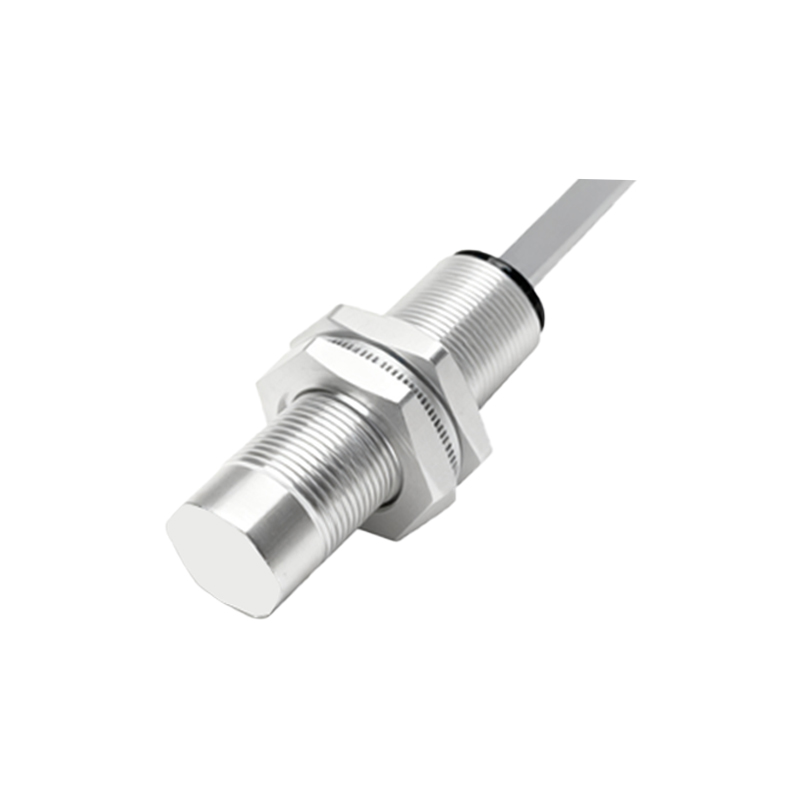
The choice of sensor is dictated by the application's specific demands. Environmental factors are a major consideration. Industrial settings are harsh, with dust, moisture, vibration, and temperature extremes. Modern proximity sensors are built with robust housings (often IP67 or higher rated) to withstand these conditions. The sensing range, response frequency (how quickly it can detect objects), and output type (PNP/NPN, analog, IO-Link) are selected based on the required speed and integration with the control system.
The advent of Industry 4.0 and smart manufacturing has further elevated the role of proximity sensors. Sensors with IO-Link capability do not just provide a simple on/off signal; they transmit rich diagnostic data. They can report their operating status, health parameters, and even warn of potential failures before they occur—a concept known as predictive maintenance. This data integration into higher-level SCADA or MES systems allows for unparalleled visibility and optimization of the entire material flow.
In conclusion, to view a proximity sensor merely as a switch is to underestimate its strategic value. It is the fundamental data point generator, the enabler of automation logic, and a key guardian of safety and efficiency. From ensuring a bottle is correctly positioned for capping to synchronizing the assembly of automotive components, proximity sensors provide the critical "eyes" for the conveyor system's "brain." Their reliable operation is non-negotiable for achieving the high throughput, precision, and uptime demanded by modern competitive manufacturing. Specifying, installing, and maintaining the right proximity sensor is not an ancillary task; it is a core engineering decision that directly impacts productivity and profitability.