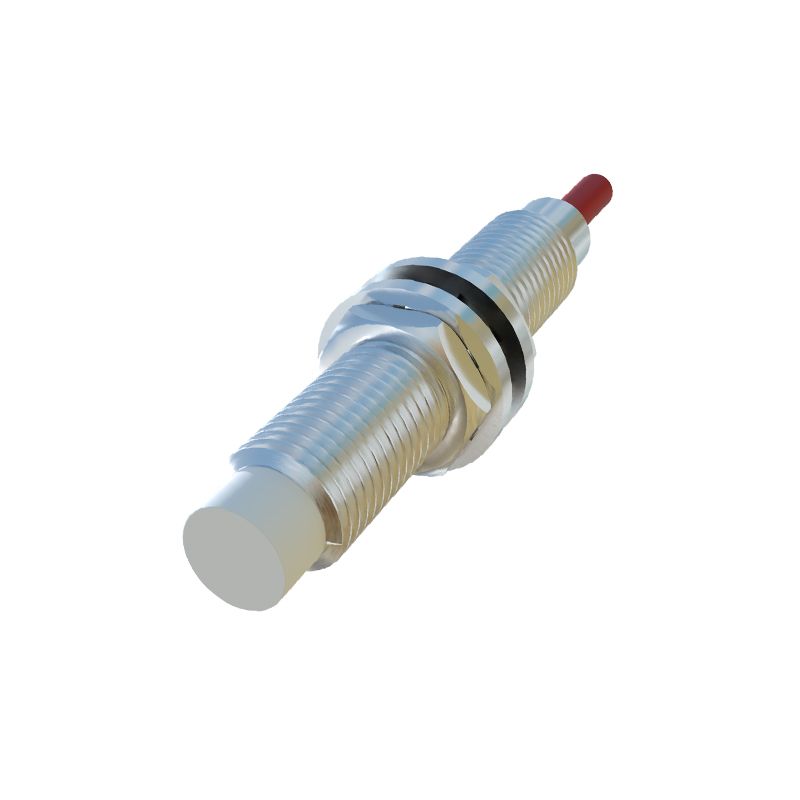
Proximity sensors are essential components in modern industrial automation, enabling non-contact detection of objects within a specific range without physical interaction. These sensors enhance efficiency, safety, and precision in various applications, from manufacturing lines to robotics. Based on their operating principles, proximity sensors can be classified into several main types, each with distinct characteristics and suitable use cases.
The first category is inductive proximity sensors. These sensors detect metallic objects by generating an electromagnetic field. When a metal target enters this field, it induces eddy currents, causing a change in the sensor's oscillation amplitude. This change triggers an output signal, indicating the presence of the object. Inductive sensors are highly reliable for detecting ferrous and non-ferrous metals, making them ideal for harsh industrial environments with dust, moisture, or vibrations. Common applications include position sensing in machinery, metal detection in conveyor systems, and part counting in automotive assembly. Their limitations include a restricted detection range, typically up to 60 mm, and inability to detect non-metallic materials.
Capacitive proximity sensors form the second category. They operate by generating an electrostatic field and detecting changes in capacitance when an object enters the sensing area. Unlike inductive sensors, capacitive types can detect both metallic and non-metallic materials, such as plastics, liquids, glass, and wood. This versatility allows for use in diverse settings, like level detection in tanks, material handling, and packaging industries. However, capacitive sensors may be sensitive to environmental factors like humidity or temperature variations, requiring careful calibration. Their detection range generally extends up to 40 mm, depending on the material's dielectric constant.
The third type is ultrasonic proximity sensors, which utilize sound waves beyond human hearing frequency. These sensors emit ultrasonic pulses and measure the time taken for echoes to return after hitting an object. By calculating the distance based on the speed of sound, they provide accurate detection regardless of the object's material, color, or transparency. Ultrasonic sensors are suitable for long-range applications, with some models detecting objects up to several meters away. They excel in tasks like distance measurement, object profiling, and liquid level monitoring in chemical plants. Drawbacks include potential interference from air turbulence or soft materials that absorb sound waves, and slower response times compared to other types.
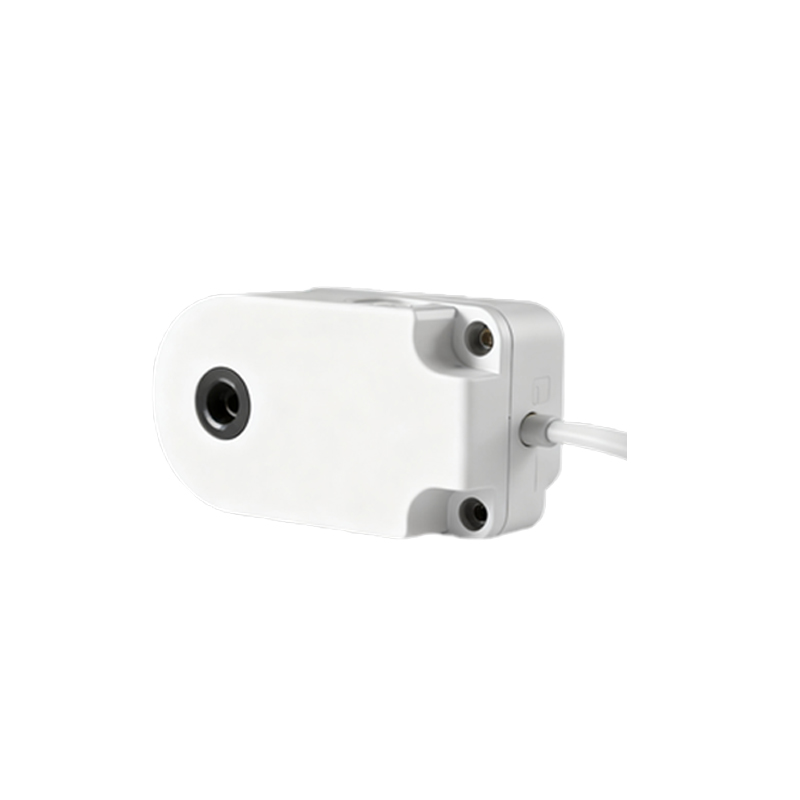
Optical proximity sensors, the fourth category, rely on light beams to detect objects. They consist of a light emitter (usually infrared LED) and a receiver. When an object interrupts or reflects the light beam, the sensor triggers an output. Optical sensors are further divided into through-beam, retro-reflective, and diffuse-reflective subtypes, each offering different sensing ranges and accuracy levels. Through-beam sensors provide the longest range and highest precision, suitable for high-speed counting or safety barriers. Diffuse-reflective types are compact and cost-effective for short-range detection in robotics or assembly lines. Optical sensors can detect various materials but may be affected by ambient light, dust, or color variations.
Magnetic proximity sensors represent the fifth category, using magnetic fields to detect permanent magnets or ferromagnetic objects. They often employ reed switches or Hall effect sensors, which respond to changes in magnetic flux. Magnetic sensors are known for their durability and low power consumption, making them ideal for applications in hazardous or sealed environments, such as valve position sensing in pipelines or door closure detection in automotive systems. Their detection range is limited, usually under 50 mm, and they require specific magnetic targets for operation.
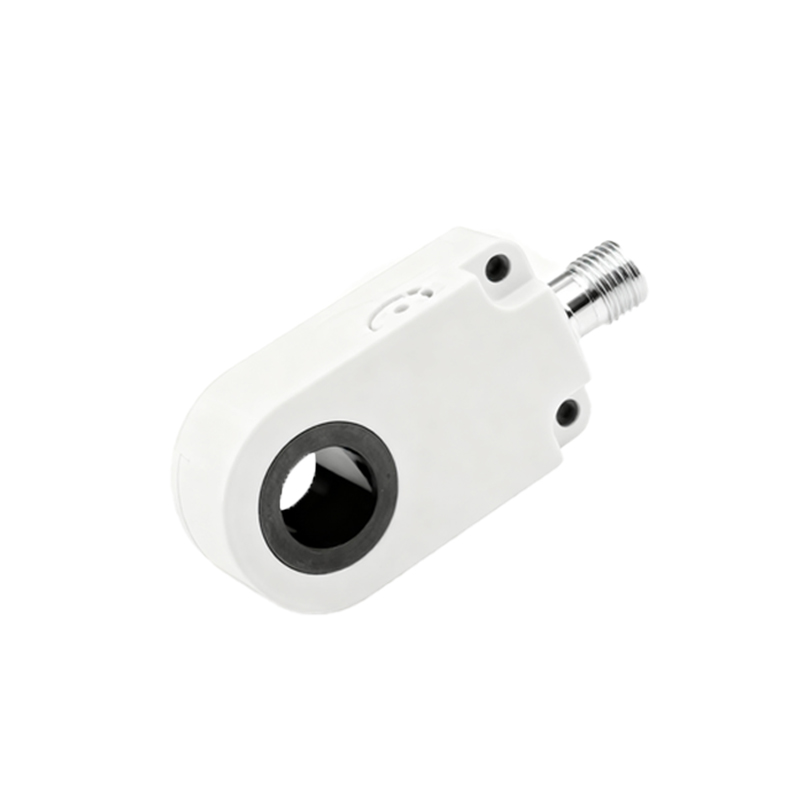
In summary, the choice of proximity sensor depends on factors like target material, environmental conditions, required range, and cost. Inductive sensors excel with metals in tough settings, capacitive sensors offer material versatility, ultrasonic sensors provide long-range accuracy, optical sensors deliver high-speed detection, and magnetic sensors ensure reliability in specialized cases. Understanding these categories helps engineers optimize automation systems for enhanced productivity and innovation in the electrical and industrial sectors. As technology advances, hybrid sensors and IoT integration are emerging trends, further expanding the capabilities of proximity sensing in smart factories and beyond.