In the world of industrial automation and electrical engineering, proximity sensors are ubiquitous components. Selecting the right sensor for an application is critical, and a significant part of that selection process involves deciphering the often-cryptic model numbers printed on the device's housing. These alphanumeric codes are not random; they are a condensed language that conveys vital information about the sensor's specifications, features, and compatibility. Understanding this coding system empowers engineers and technicians to make informed decisions, ensure proper system integration, and streamline maintenance and procurement.
A proximity sensor model number typically follows a structured format established by the manufacturer. While there is no universal standard across all brands like Omron, Siemens, Pepperl+Fuchs, or Schneider Electric, the underlying principles are remarkably similar. The model number is a key that unlocks details about the sensor's sensing technology, physical design, electrical characteristics, output type, and special features.
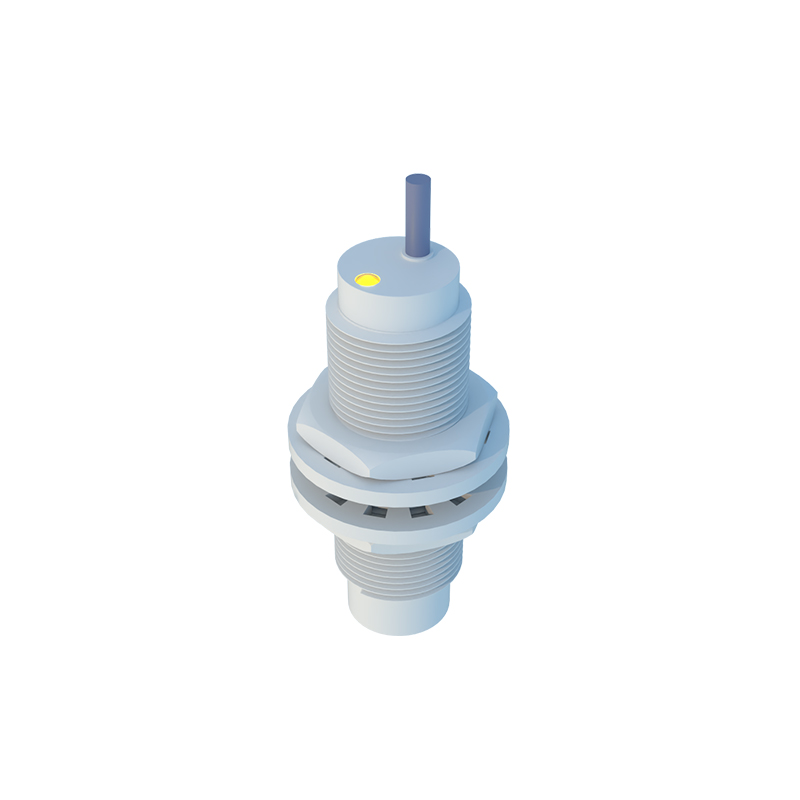
The first segment of a model number usually indicates the sensing technology. This is the fundamental operating principle. Common abbreviations include:
IN: Inductive proximity sensor (for detecting metallic objects).
CA: Capacitive proximity sensor (for detecting both metallic and non-metallic materials like liquids, wood, or plastics).
US: Ultrasonic sensor (for distance measurement and object detection via sound waves).
OP: Optical sensor (photoelectric), which may be further broken down into diffuse (OPD), retro-reflective (OPR), or through-beam (OPT).
Following the technology identifier, you often find codes related to the physical design and housing. This includes:
Size and Shape: Designations like M8, M12, M18, M30 refer to the standardized cylindrical housing diameter in millimeters. Codes like "CUBE" or "RECT" indicate a rectangular housing.
Mounting Style: Flush-mounted (can be embedded in metal), non-flush, or with specific bracket types.
Sensing Face Material: Important for harsh environments, indicated by codes for stainless steel, PTFE, or other specialized coatings.
The next critical part specifies the electrical characteristics and output type. This is paramount for circuit design.
Operating Voltage: Often denoted as 10-30VDC, 20-250VAC, etc., within the series name or a specific code.
Output Configuration: This is a crucial distinction.
NPN: Sinking output (common in Asia and for PLC sinking input modules).
PNP: Sourcing output (common in Europe and for PLC sourcing input modules).
NO/NC: Normally Open or Normally Closed contact logic.
Analog Output: Signals like 0-10V or 4-20mA, often indicated by a specific suffix.
IO-Link: Digital communication capability, a growing trend in Industry 4.0.
Additional suffixes or digits frequently denote special features and environmental ratings:
IP Rating: Ingress Protection rating (e.g., IP67, IP69K) for dust and water resistance.
Temperature Range: Codes indicating extended operating temperatures.
Shielded/Unshielded: For inductive sensors, whether they can be flush-mounted next to each other.
Short-Circuit Protection, Reverse Polarity Protection, and Surge Protection are often embedded in the model code.
Let's deconstruct a hypothetical model number: OMRON E2E-X18MF1-M1
E2E: Series name for Omron's cylindrical inductive sensors.
X: Likely denotes a specific product line or generation.
18: Housing diameter is M18.
M: Sensing distance (likely a standard 5mm or 8mm for this series).
F: Flush-mounted design.
1: Output type (e.g., NPN NO). The datasheet is needed for the exact mapping.
M1: Additional features, possibly a connector type or a specific electrical detail.
Another example: PEPPERL+FUCHS NBB8-18GM50-E2-V1
NBB: Series for standard inductive sensors.
8: Housing shape/size code.
18: M18 diameter.
GM: Specific sensing distance and flush-mounting info.
50: 50mm sensing distance (unusual, so verify).
E2: Output configuration (likely PNP NO).
V1: Version or connector specification.
It is absolutely essential to always consult the manufacturer's datasheet or selection guide. The