In the industrial automation and control systems sector, proximity sensors are indispensable components. They detect the presence or absence of objects without physical contact, ensuring efficiency, safety, and reliability in applications ranging from assembly lines to robotic systems. For engineers, procurement specialists, and maintenance teams, sourcing high-quality proximity sensors from reputable suppliers is crucial. This guide provides a comprehensive overview of how to effectively find and contact proximity sensor manufacturers, ensuring you make informed decisions for your projects.
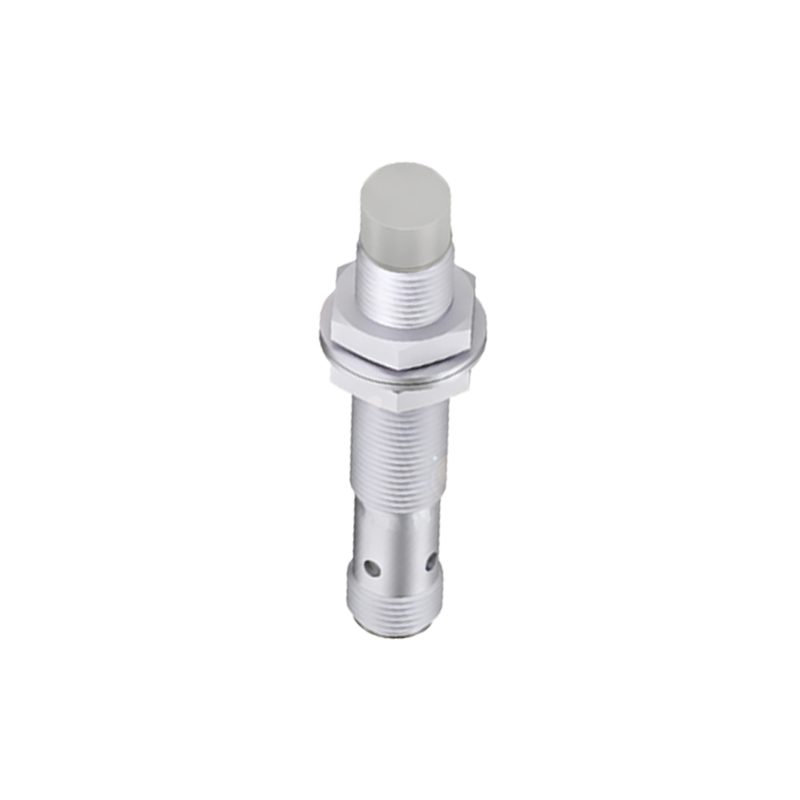
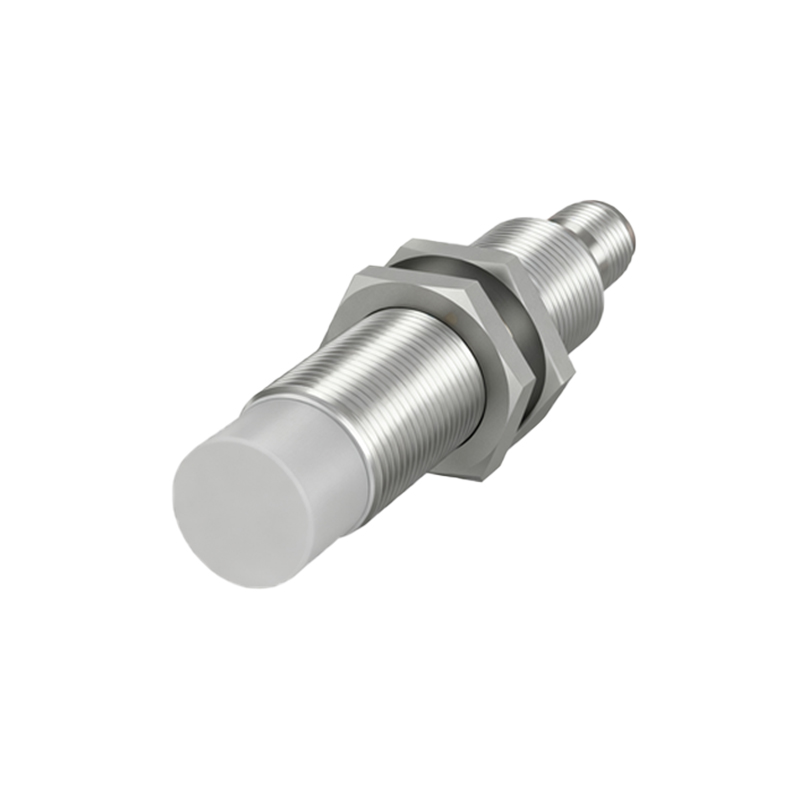
First, identify your specific requirements. Proximity sensors come in various types—inductive, capacitive, ultrasonic, and photoelectric—each suited for different materials, environments, and detection ranges. Clearly define parameters such as sensing distance, output type (e.g., NPN, PNP, analog), housing material, and environmental ratings (IP67, IP69K for harsh conditions). This clarity will streamline your search and help suppliers provide accurate recommendations.
Next, research potential suppliers. Utilize industry directories, trade associations like the International Society of Automation (ISA), and online B2B platforms such as Thomasnet or GlobalSpec. Look for manufacturers with a strong track record in your industry, whether it’s automotive, packaging, food processing, or machinery. Check for certifications like ISO 9001, which indicate quality management systems, and product compliance with standards such as IEC 60947-5-2. Reading customer reviews and case studies can offer insights into reliability and after-sales support.
Once you have a shortlist, prepare to contact suppliers. Most manufacturers provide multiple channels: phone, email, and online inquiry forms. When calling, have your technical specifications and project details ready. A typical supplier phone call might involve discussing your application, requesting datasheets, inquiring about lead times, and negotiating pricing. For example, you could say: "Hello, I’m calling from [Your Company] regarding a project requiring inductive proximity sensors for metal detection in a high-vibration environment. Can you provide specifications for models with a 10mm sensing range and PNP output?" This approach demonstrates professionalism and helps the supplier assist you efficiently.
Be mindful of time zones and business hours when calling internationally. Many global suppliers, like those in Germany, Japan, or the United States, offer customer service in English. If language barriers exist, request technical documentation in English or use email for detailed queries. Email allows you to attach drawings or specifications, ensuring clarity. Follow up with a phone call to expedite responses if needed.
Evaluate supplier responsiveness and expertise. A reliable manufacturer will ask probing questions about your application to recommend the best solution. Inquire about customization options, sample availability, and warranty terms. Discuss logistics, including minimum order quantities (MOQs), shipping costs, and delivery schedules. For urgent needs, ask if they stock standard models or offer expedited services.
Additionally, consider value-added services. Some suppliers provide engineering support, on-site installation guidance, or training. This can be vital for complex integrations. For instance, if you’re deploying sensors in an explosive atmosphere (ATEX zones), ensure the supplier understands relevant safety standards.
Finally, build long-term relationships. Consistent communication with a trusted supplier can lead to better pricing, priority support, and early access to new technologies. Keep records of contacts, including phone numbers and email addresses, for future projects.
In summary, finding the right proximity sensor supplier involves thorough research, clear communication, and evaluation of technical and logistical factors. By following these steps, you can secure high-quality components that enhance your system’s performance and durability. Remember, the goal is not just to make a purchase but to establish a partnership that supports your operational success.