In the realm of automation and smart technology, proximity sensors are the silent sentinels, enabling machines to perceive their environment without physical contact. Among the vast array available, the term "30 proximity sensors" often refers to a comprehensive category or a specific set of models crucial for diverse industrial and consumer applications. This article delves into the world of these non-contact detection devices, exploring their fundamental principles, primary types, and key considerations for effective implementation.
At its core, a proximity sensor detects the presence or absence of an object within a specified range. It emits an electromagnetic field, beam, or acoustic wave and looks for changes in the return signal. The "30" specification can denote several things: a sensor with a 30mm sensing range, a model number from a particular series (like the popular E2E or E2A series from various manufacturers), or even a curated list of 30 essential sensor types for different tasks. Understanding this context is the first step in selection.
The most common technologies underpinning these 30mm-range or common-series sensors include Inductive, Capacitive, Ultrasonic, and Photoelectric types. Inductive sensors are workhorses in metal detection. They generate an oscillating electromagnetic field. When a metallic object enters this field, it induces eddy currents, causing a change in oscillation amplitude that triggers the sensor's output. They are robust, reliable, and ideal for detecting gears, tools, or metal parts on assembly lines, typically within that 30mm range.
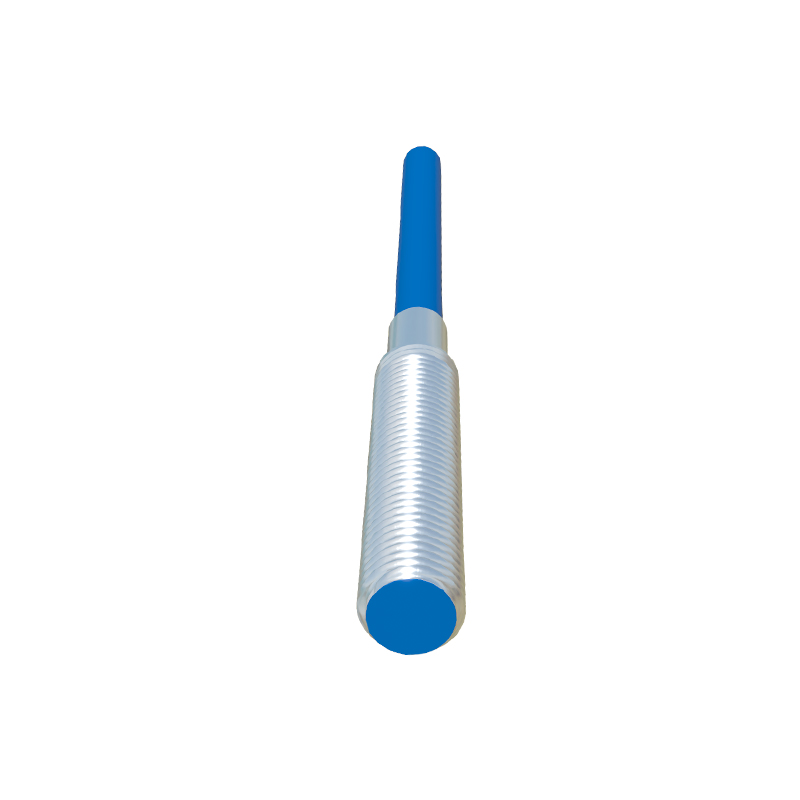
Capacitive proximity sensors, on the other hand, can detect both metallic and non-metallic materials like liquids, plastics, wood, or granules. They function by measuring changes in capacitance between the sensor's face and the target object. This makes them perfect for level detection in tanks, material handling, or detecting filled containers on a conveyor belt, even through thin non-metallic walls.
For longer ranges or challenging environments, ultrasonic sensors use sound waves. They measure the time taken for an emitted sound pulse to bounce back from an object. Excellent for distance measurement, object profiling, and detecting transparent or variably colored objects, they are less affected by dust, smoke, or light interference. A 30mm-range ultrasonic sensor offers high precision in tight spaces.
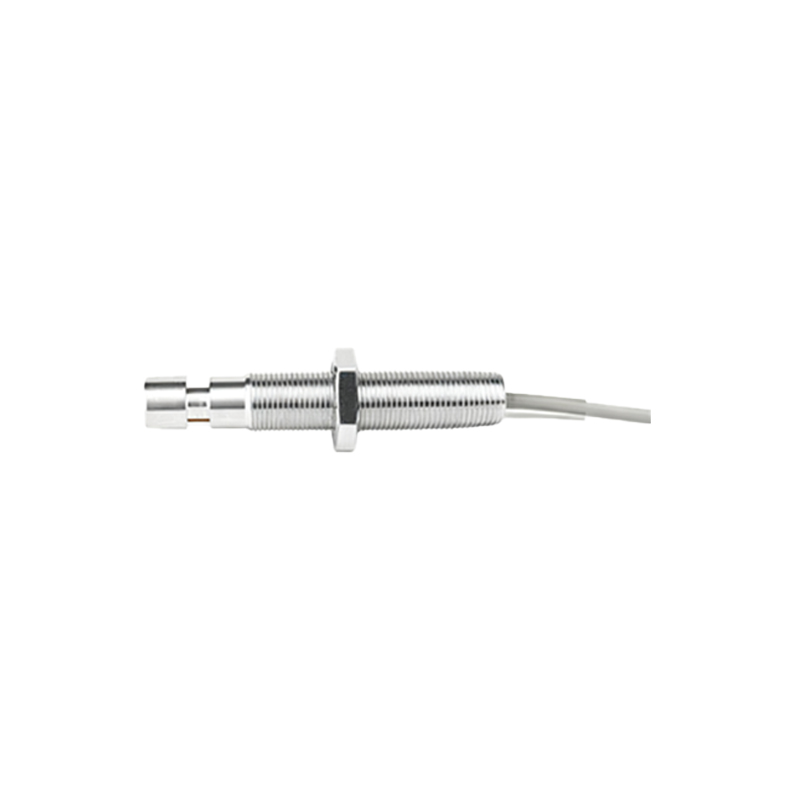
Photoelectric sensors utilize light beams (visible, infrared, or laser). The through-beam type has separate emitter and receiver units, offering long-range and high reliability. The retro-reflective type uses a reflector, while the diffuse reflective type detects light bounced directly off the target. These are superb for detecting small objects, precise positioning, and high-speed counting applications, with many models offering adjustable ranges around 30mm.
Selecting the right sensor from this broad category requires careful analysis. First, define the target material: metal, plastic, liquid, or something else? This immediately narrows down the technology (inductive for metals, capacitive for most others). Next, consider the required sensing distance. A nominal 30mm range must account for a safety factor; real-world performance can be affected by target size, material, and environmental conditions. The sensor's housing is also critical. Cylindrical M12, M18, or M30 threaded barrels are standard, with the "30" in M30 often correlating to a 30mm diameter housing, suitable for longer-range or more robust sensors. Environmental factors like temperature extremes, washdown conditions (requiring IP67 or IP69K ratings), and exposure to chemicals or vibrations dictate the required ingress protection and construction material.
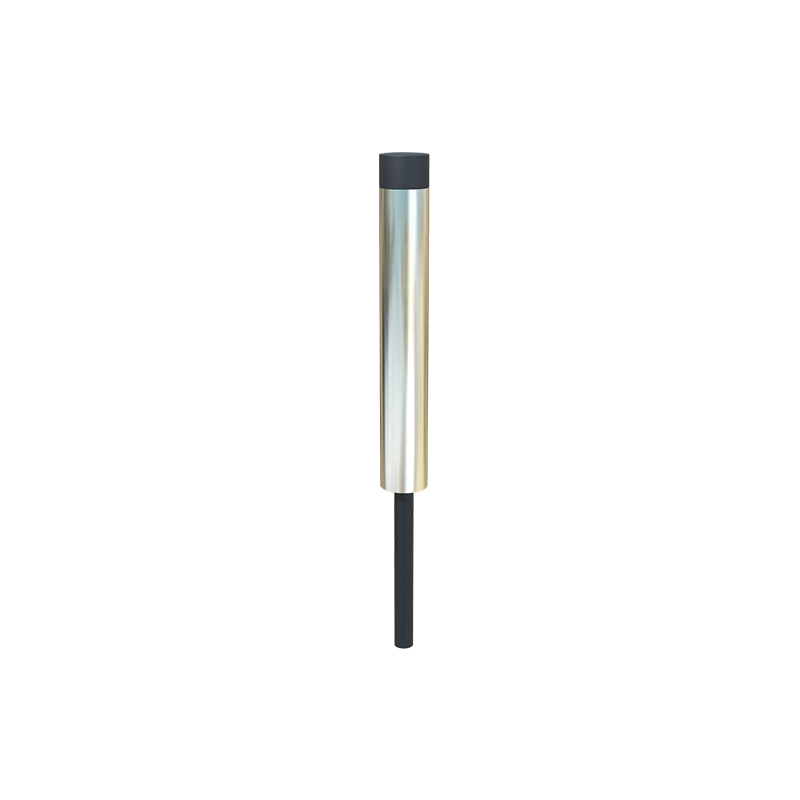
Output configuration is another key decision. Two-wire DC sensors are simple to wire but may have leakage current. Three-wire DC (PNP or NNP) and four-wire versions offer more precise switching. The output type can be Normally Open (NO) or Normally Closed (NC), chosen based on the fail-safe requirements of the control circuit. Finally, consider response frequency—how quickly the sensor can detect objects passing by—which is vital for high-speed production lines.
In application, these sensors are ubiquitous. In automotive manufacturing, inductive sensors count camshaft rotations or detect piston position. In packaging, capacitive sensors ensure bottles are filled, while photoelectric sensors verify label presence. On automated guided vehicles (AGVs), ultrasonic and photoelectric sensors provide collision avoidance. In consumer electronics, miniature versions are embedded in smartphones to disable the touchscreen during calls.
Maintenance, though minimal, involves regular cleaning of the sensor face to prevent false triggers from dust or debris buildup. Ensuring stable power supply and protecting against electrical noise are also essential for longevity. Calibration might be necessary for analog or ultrasonic sensors used for precise measurement.
Ultimately, navigating the world of "30 proximity sensors" means moving beyond a simple number. It represents a commitment to precision, reliability, and efficiency in system design. Whether it's a 30mm-range inductive sensor for machine tool