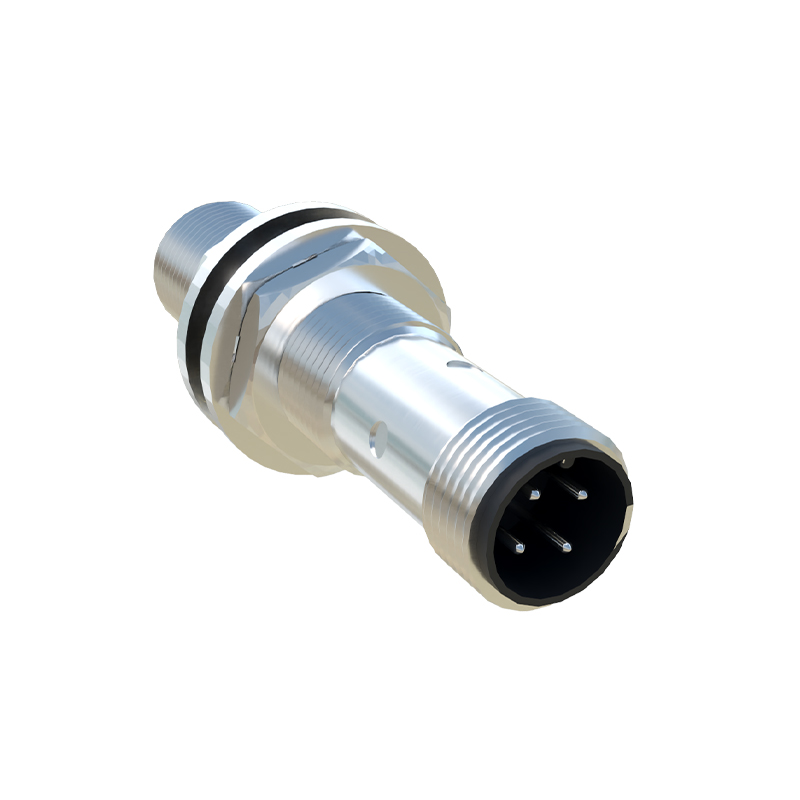
Proximity sensors have become indispensable components in modern automotive engineering, revolutionizing vehicle safety, automation, and user experience. These sensors, which detect the presence or absence of nearby objects without physical contact, are integral to advanced driver-assistance systems (ADAS), autonomous driving technologies, and everyday convenience features. In the automotive industry, proximity sensors primarily utilize technologies such as inductive, capacitive, ultrasonic, and electromagnetic principles, each tailored to specific applications based on range, environmental conditions, and detection requirements.
One of the most critical applications of proximity sensors in vehicles is in parking assistance systems. Ultrasonic sensors, typically mounted on bumpers, emit high-frequency sound waves that bounce off obstacles, calculating distance based on the time delay of the reflected signal. This enables features like automatic parking, collision avoidance during low-speed maneuvers, and blind-spot monitoring. For instance, when a driver reverses, these sensors provide audible or visual alerts, significantly reducing the risk of minor accidents. Similarly, inductive proximity sensors are employed in non-contact position sensing for gearboxes and braking systems, ensuring precise mechanical operations without wear and tear from physical contact.
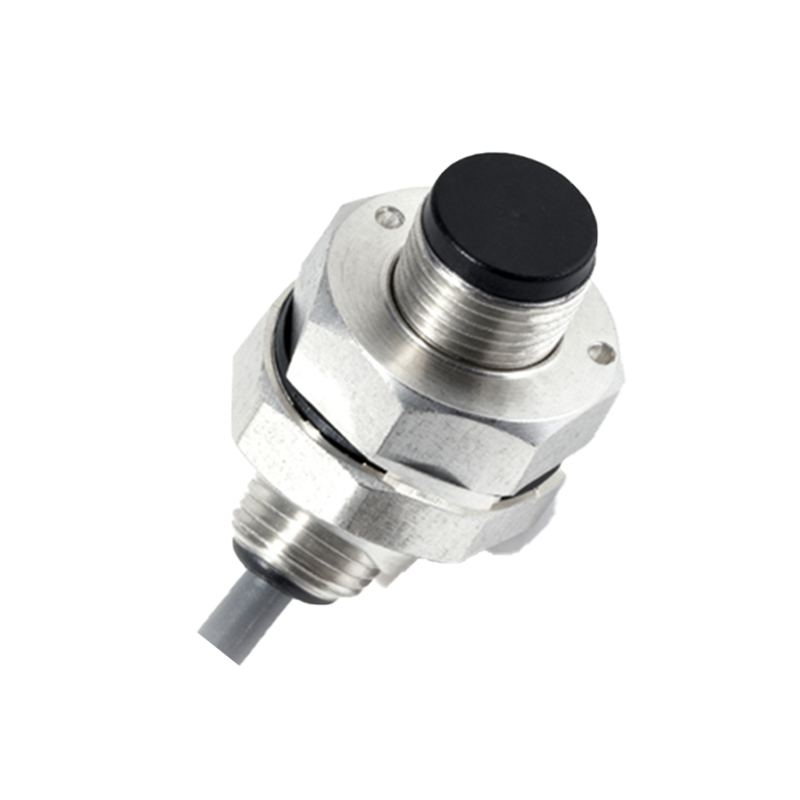
In the realm of electric and hybrid vehicles, proximity sensors play a pivotal role in enhancing safety and efficiency. Capacitive sensors are used to detect the presence of passengers for airbag deployment optimization, adjusting force based on seating position and occupancy. Moreover, electromagnetic sensors facilitate wireless charging systems by aligning the vehicle’s receiver coil with the ground-based transmitter, improving energy transfer efficiency. As autonomous driving evolves, LiDAR (Light Detection and Ranging) and radar-based proximity sensors enable real-time environmental mapping, allowing vehicles to navigate complex traffic scenarios by detecting pedestrians, cyclists, and other vehicles with high accuracy.
The integration of proximity sensors also extends to vehicle access and security. Keyless entry systems often rely on capacitive or inductive sensors to detect a driver’s approach, automatically unlocking doors or activating interior lights. In-cabin sensors monitor driver alertness by detecting hand position on the steering wheel or eye movement, contributing to fatigue prevention systems. Additionally, these sensors support automated functions like hands-free tailgate operation, where a simple foot gesture under the rear bumper—detected by ultrasonic sensors—trunks the trunk, enhancing convenience for users carrying loads.
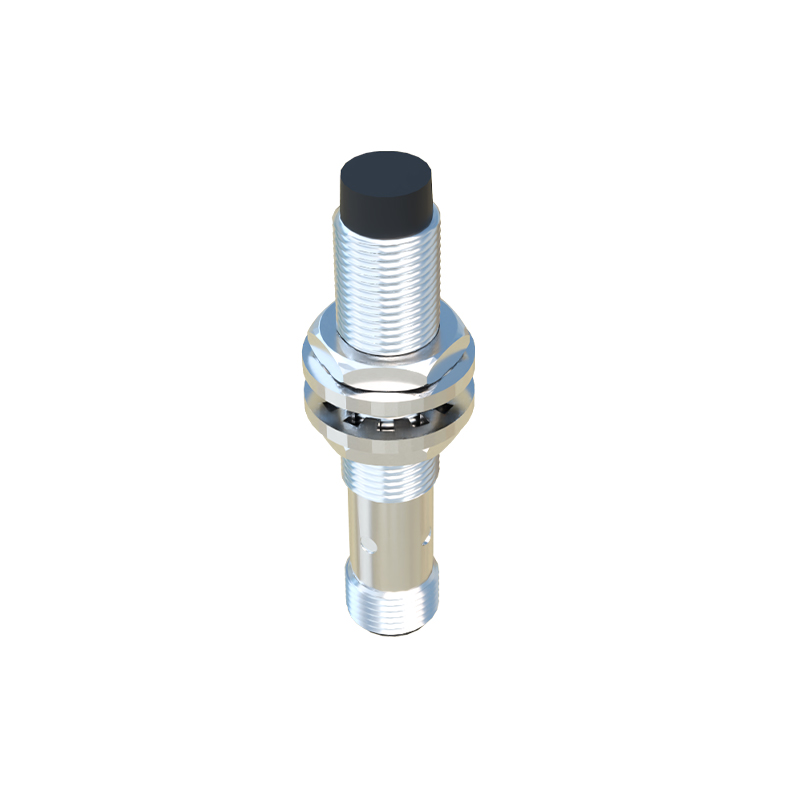
Despite their advantages, challenges persist in the deployment of automotive proximity sensors. Environmental factors such as extreme temperatures, rain, or electromagnetic interference can affect sensor accuracy, necessitating robust design and calibration. Engineers are continuously innovating with multi-sensor fusion techniques, combining data from cameras, radar, and ultrasonic sensors to improve reliability. Future trends include the development of miniaturized, cost-effective sensors for mass-market vehicles and the adoption of AI-driven algorithms for predictive analytics, enabling proactive safety measures.
In conclusion, proximity sensors are transforming the automotive landscape by bridging the gap between human operation and automated control. From basic parking aids to sophisticated autonomous navigation, these devices enhance safety, efficiency, and user comfort. As technology advances, their role will expand further, paving the way for smarter, more responsive vehicles that adapt seamlessly to dynamic driving conditions. The ongoing research in sensor materials and signal processing promises even greater integration, making proximity sensing a cornerstone of next-generation automotive innovation.