In the demanding world of industrial automation and control, the choice of sensor components is critical to system reliability and longevity. Among these components, the housing material of a proximity switch sensor plays a pivotal role. Proximity switch sensors equipped with stainless steel housings have become a benchmark for robustness, offering unparalleled advantages in challenging operational settings. This article delves into the technical merits, applications, and selection considerations for these durable sensing solutions.
The primary advantage of a stainless steel housing is its exceptional corrosion resistance. Industrial environments are often rife with moisture, chemicals, oils, and corrosive agents that can rapidly degrade standard materials like plastic or mild steel. Stainless steel, particularly grades like 304 (A2) and 316 (A4), forms a passive chromium oxide layer that protects the underlying metal from oxidation and chemical attack. This inherent property ensures the sensor's external integrity, preventing housing failure that could expose sensitive internal electronics to contaminants. The result is a dramatically extended service life, even in washdown applications in food processing, marine settings, or chemical plants.
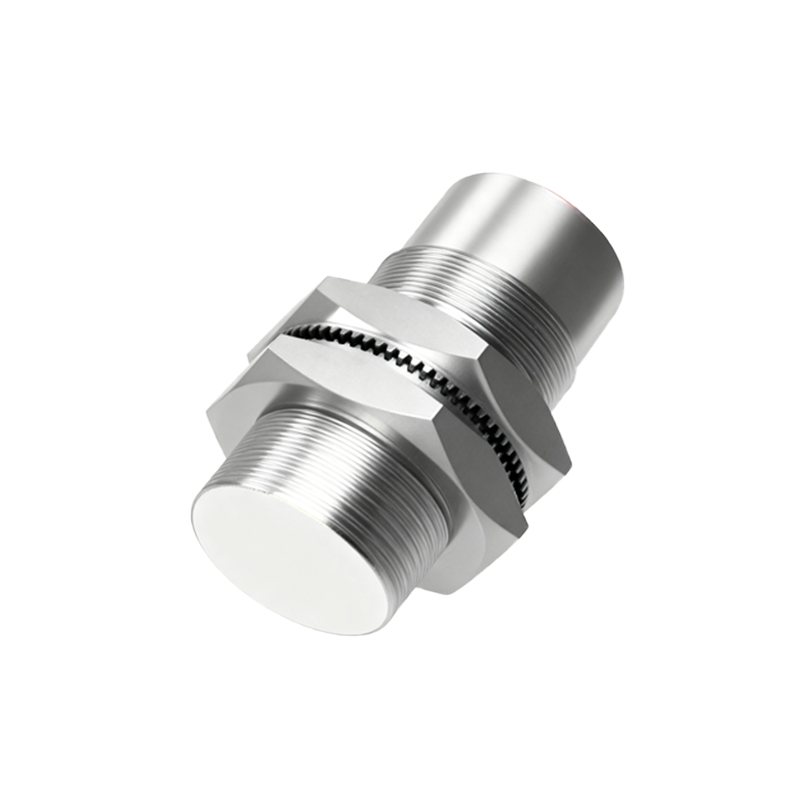
Beyond corrosion resistance, stainless steel provides superior mechanical strength and durability. These housings offer excellent resistance to physical impacts, abrasion, and vibration—common occurrences in heavy machinery, material handling, and automotive manufacturing. The rigid structure of stainless steel protects the encapsulated inductive, capacitive, or magnetic sensing element from misalignment or damage, maintaining consistent and accurate detection performance. This mechanical robustness also allows for higher IP (Ingress Protection) and NEMA ratings, often reaching IP67, IP68, or IP69K, which signify complete protection against dust and the ability to withstand high-pressure, high-temperature water jets. This makes them ideal for applications requiring frequent cleaning or exposure to the elements.
Furthermore, stainless steel housings contribute to enhanced performance in extreme temperatures. They can reliably operate across a wider temperature range compared to many polymer-based housings. This thermal stability is crucial in applications such as foundries, welding lines, or outdoor installations where ambient temperatures can fluctuate significantly. The material's properties help shield the internal components from thermal stress, ensuring stable switching characteristics.
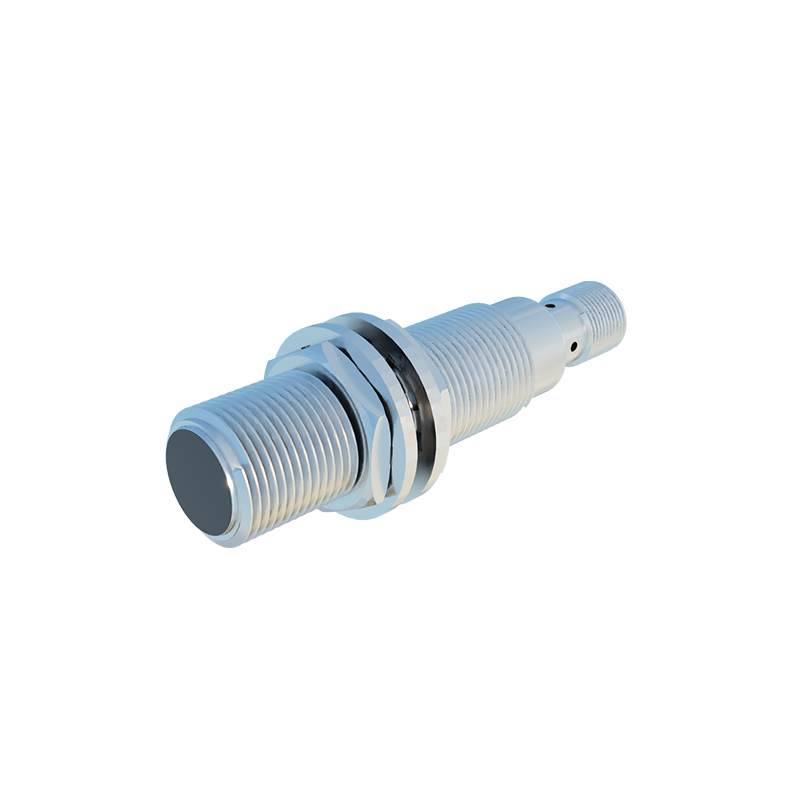
The choice of stainless steel also aligns with stringent hygienic requirements. In industries like pharmaceuticals, beverage, and meat processing, sensors must have smooth, non-porous surfaces that are easy to clean and do not harbor bacteria. Polished stainless steel housings meet these sanitary standards perfectly, facilitating compliance with regulations like those from the FDA or EHEDG. Their smooth surface allows for effective sterilization using steam or aggressive cleaning agents without material degradation.
When specifying a proximity sensor with a stainless steel housing, engineers must consider several factors. The specific stainless steel grade is paramount. While Type 304 is suitable for most general industrial applications, Type 316, with its added molybdenum content, is the preferred choice for highly corrosive environments, such as those involving chlorides or saltwater. The design of the housing, including weld seams, thread types (e.g., M8, M12, M18, M30), and the quality of the finish, also impacts performance. A fully welded, hermetically sealed housing provides the highest level of protection. Additionally, the sensing face material is critical; many high-performance models feature a housing and sensing face made from a single piece of stainless steel or a specialized stainless steel face cap to eliminate any weak points.
In conclusion, proximity switch sensors with stainless steel housings represent a premium investment for applications where failure is not an option. They deliver a combination of chemical inertness, mechanical toughness, thermal resilience, and hygienic properties that plastic or coated metal housings cannot match. By specifying these sensors for harsh or critical duty cycles, engineers and plant managers can significantly reduce downtime, lower maintenance costs, and enhance the overall safety and reliability of automated systems. Their enduring performance under duress solidifies their status as an essential component in modern industrial infrastructure.