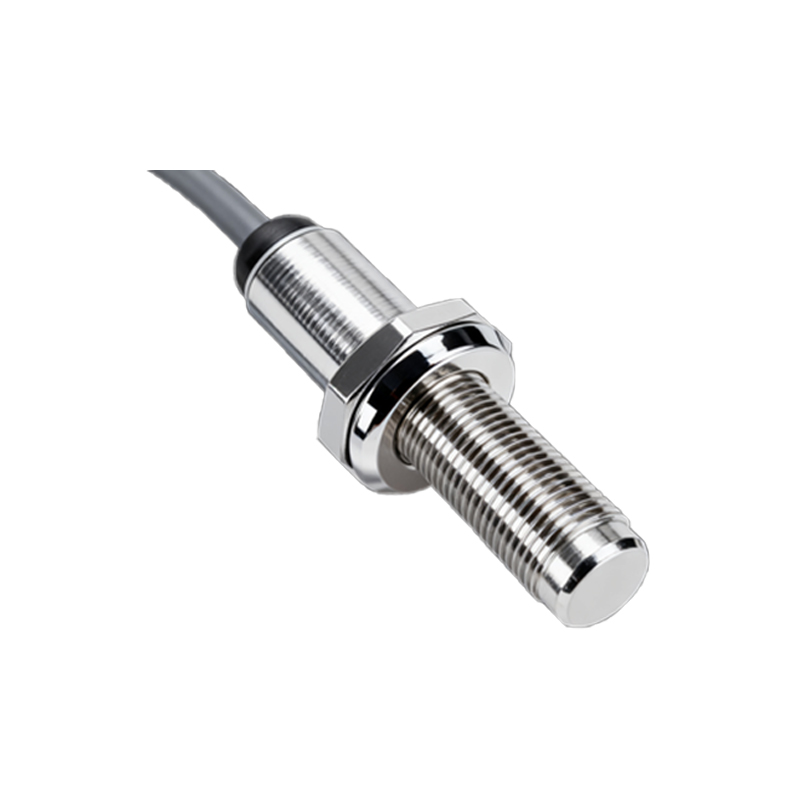
In the rapidly evolving landscape of industrial automation, technical proximity sensors have emerged as indispensable components, driving efficiency, safety, and precision across diverse applications. These sensors, which detect the presence or absence of objects without physical contact, rely on various principles such as inductive, capacitive, ultrasonic, and magnetic technologies. Their adoption is not merely a trend but a necessity rooted in several compelling technical and operational reasons.
First and foremost, the non-contact nature of proximity sensors eliminates mechanical wear and tear, significantly enhancing longevity and reducing maintenance costs. In environments where continuous operation is critical, such as automotive assembly lines or packaging machinery, this attribute ensures sustained performance without frequent downtime. Unlike mechanical switches that degrade over time due to physical interaction, proximity sensors maintain consistent accuracy, contributing to higher product quality and fewer defects.
Another key reason for their widespread use is the ability to operate in harsh conditions. Industrial settings often involve exposure to dust, moisture, extreme temperatures, and corrosive substances. Proximity sensors, particularly inductive and capacitive types, are designed with robust housings and sealed components that withstand these challenges. For instance, inductive sensors can detect metallic objects through non-metallic barriers, making them ideal for contaminated or hazardous areas where direct contact is impractical. This resilience translates to improved system reliability and reduced risk of failures.
Precision and speed are also paramount in modern automation. Proximity sensors offer high switching frequencies and rapid response times, enabling real-time monitoring and control. In robotics, for example, they facilitate precise positioning of arms and end-effectors, ensuring seamless coordination in tasks like welding, painting, or material handling. The minimal delay in detection allows for tighter tolerances and faster cycle times, directly boosting productivity. Moreover, advancements in sensor technology have led to miniaturized designs that fit into compact spaces without compromising functionality, supporting the trend toward more agile and modular machinery.
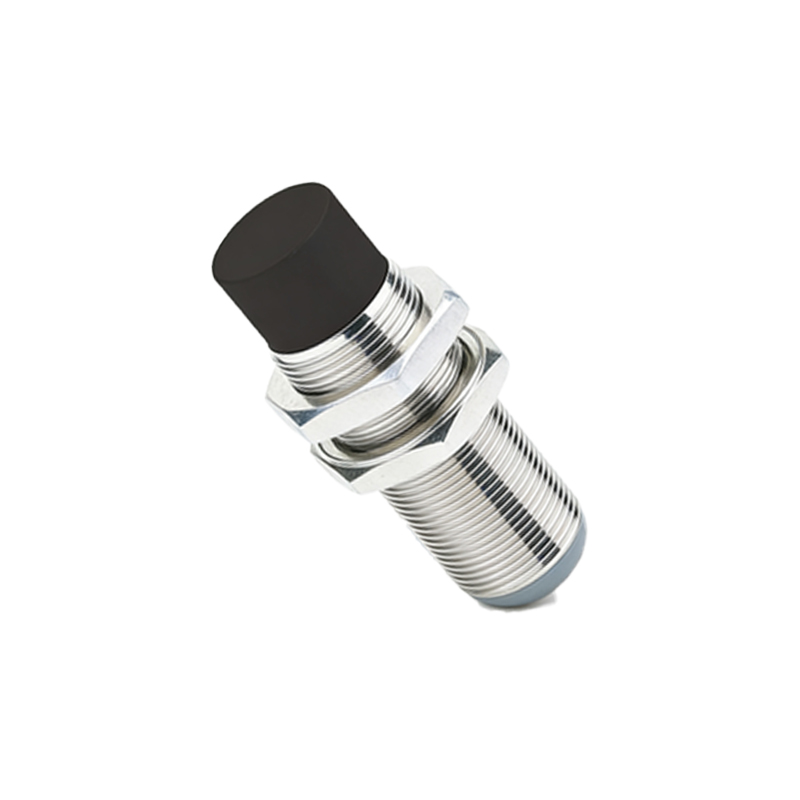
Energy efficiency is an increasingly important consideration in industrial operations. Many proximity sensors consume low power while delivering reliable performance, aligning with sustainability goals and reducing operational costs. Capacitive sensors, which can detect both metallic and non-metallic materials, are particularly useful in energy-conscious applications like liquid level monitoring or presence detection in conveyor systems. By optimizing resource use and minimizing waste, these sensors contribute to greener manufacturing processes.
Integration with digital systems further underscores the value of proximity sensors. With the rise of Industry 4.0 and the Internet of Things (IoT), sensors are no longer isolated devices but integral parts of smart networks. Proximity sensors equipped with connectivity features, such as IO-Link or Ethernet interfaces, enable data exchange for predictive maintenance and process optimization. For instance, they can provide diagnostic information about wear or environmental changes, allowing operators to address issues proactively before they escalate. This connectivity enhances overall system intelligence, fostering adaptive and responsive automation environments.
Safety is another critical driver for proximity sensor adoption. In applications involving heavy machinery or high-speed equipment, these sensors serve as essential safety components by detecting human presence or unauthorized access. Magnetic proximity sensors, for example, are commonly used in door and gate monitoring to prevent accidents. By ensuring that machines operate only when conditions are safe, they help comply with stringent industrial safety standards and protect personnel from harm.
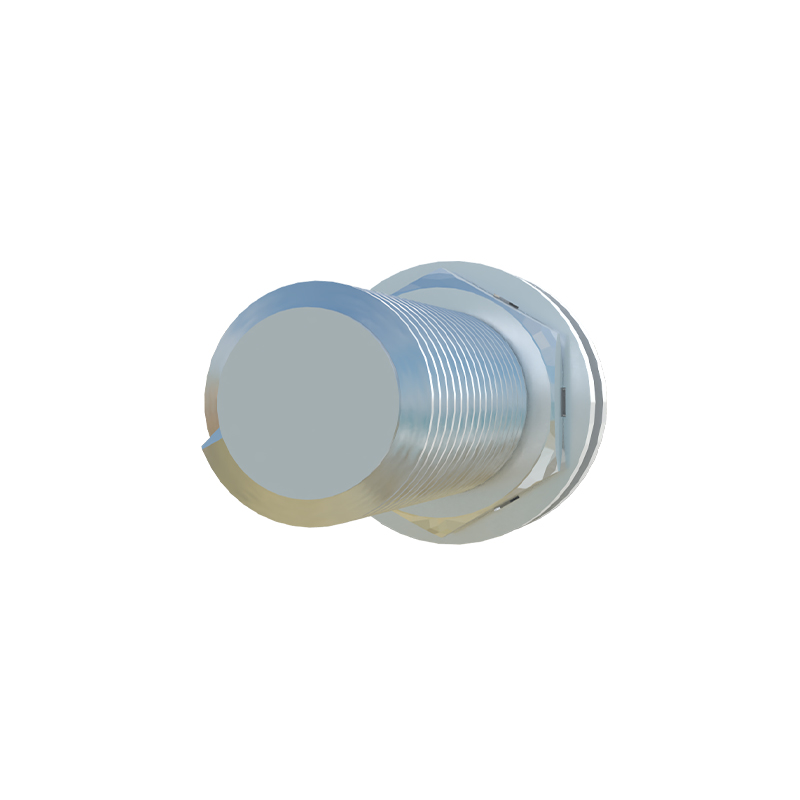
In summary, the reliance on technical proximity sensors stems from their multifaceted advantages: durability in tough environments, precision in control, energy efficiency, seamless integration with digital frameworks, and enhanced safety. As industries continue to automate and innovate, these sensors will remain at the forefront, enabling smarter, more resilient, and cost-effective solutions. Their evolution, driven by ongoing research in materials and electronics, promises even greater capabilities in the future, solidifying their role as foundational elements in the automation ecosystem.