In today's industrial automation landscape, proximity sensors are indispensable components. They enable non-contact detection of objects, ensuring efficiency and safety in manufacturing, packaging, and machinery operations. However, the market is flooded with counterfeit and substandard products posing as genuine proximity sensors. Using these fakes can lead to system failures, production downtime, safety hazards, and significant financial losses. This guide provides a comprehensive overview of how to distinguish authentic proximity sensors from imitations, ensuring you invest in reliable, high-performance components for your critical applications.
The first and most crucial step is purchasing from authorized distributors or directly from the manufacturer. Reputable brands like Siemens, Omron, Schneider Electric, Pepperl+Fuchs, and Balluff have established networks of certified partners. Their websites list official distributors. Be wary of prices that seem too good to be true on unknown marketplaces or from unverified online sellers. Counterfeiters often lure buyers with drastically lower prices.
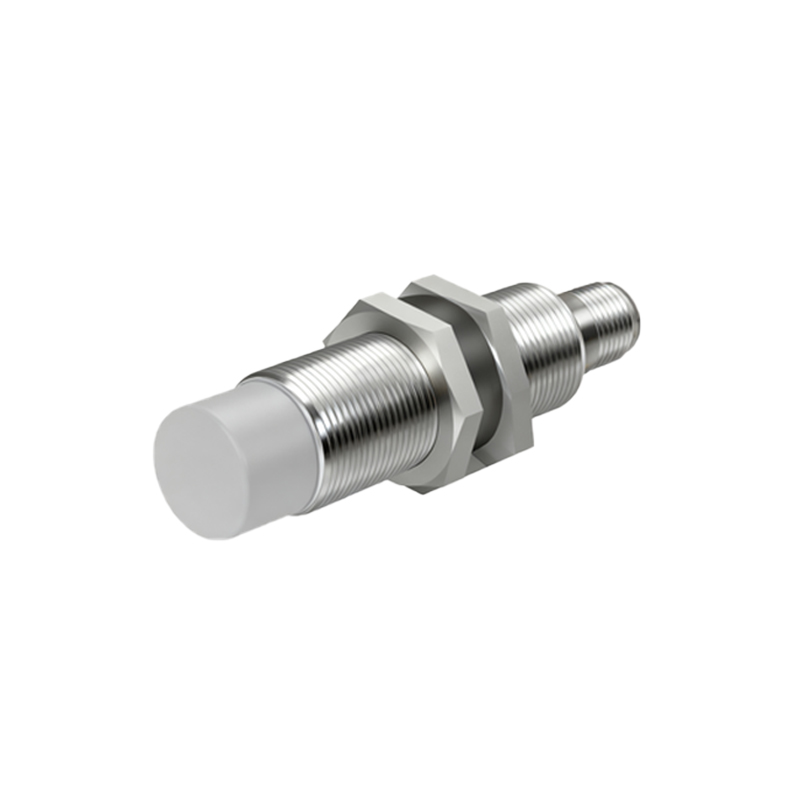
Examine the physical product meticulously upon receipt. Genuine proximity sensors exhibit high-quality manufacturing. Look for the following:
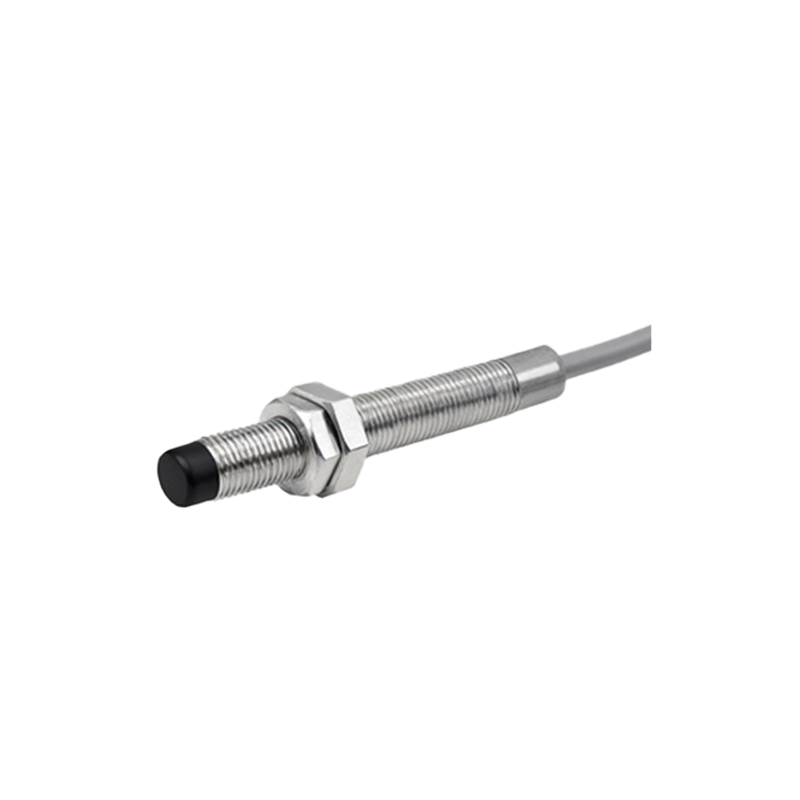
Build Quality: The housing should be robust, with clean, sharp molding. There should be no flash, uneven seams, or rough edges. Materials should feel solid, not lightweight or flimsy.
Markings and Logos: Brand logos, part numbers, serial numbers, and technical specifications are laser-etched or engraved with precision, clarity, and consistency. Counterfeits often have blurred, shallow, or misaligned printing. The font should match the manufacturer's official typography.
Color and Finish: The color should be uniform and match the manufacturer's standard (e.g., specific shades of blue, black, or stainless steel). The finish should be consistent, without discolorations or patches.
Cable and Connector: For sensors with integrated cables, the cable jacket should be flexible yet durable, with clear printing of specifications. Connectors should fit snugly, have precise molding, and often feature the manufacturer's logo. Generic or poorly made connectors are a major red flag.
Performance testing is a definitive method. While visual inspection can catch many fakes, operational tests reveal subtler deficiencies.
Sensing Range: A genuine sensor will consistently detect an object at its specified nominal sensing distance. Counterfeits often have a significantly reduced or inconsistent range.
Repeatability: Authentic sensors provide extremely accurate and repeatable switching points. Test by repeatedly moving a target object in and out of the sensing field. Inconsistent triggering indicates poor quality.
Response Time: High-quality sensors have fast and stable response times. Use an oscilloscope to measure the switch-on and switch-off delay if possible. Sluggish response can disrupt high-speed automation.
Environmental Resilience: Genuine sensors are designed to withstand industrial environments—resisting vibration, temperature fluctuations, and exposure to coolants or chemicals. A counterfeit may fail prematurely under stress.
Always verify the packaging and documentation. Authentic products come in branded, high-quality boxes with protective inserts. The packaging includes labels with precise part numbers, barcodes, and batch codes. Inside, you should find data sheets, instruction manuals, and often a certificate of conformity or warranty card. Missing, photocopied, or poorly printed documentation is a strong indicator of a counterfeit product.
Utilize the manufacturer's security features. Many leading brands have implemented advanced anti-counterfeiting measures. These can include:
Unique QR Codes or Serial Numbers: These can be scanned or entered on the manufacturer's official website to verify authenticity and provide details about the product's origin.
Holographic Labels: Special labels that change appearance when tilted.
Micro-Text or Hidden Images: Features that require magnification to see.
The consequences of installing a counterfeit proximity sensor extend beyond mere malfunction. They can cause unexpected machine stoppages, leading to costly production delays. They may fail to detect objects in safety-critical applications, posing risks to personnel. Furthermore, counterfeit sensors often lack proper shielding and can cause electromagnetic interference (EMI), disrupting other sensitive electronics. Their short lifespan leads to higher replacement frequency, negating any initial cost savings.
Investing in genuine proximity sensors is an investment in system reliability, operational safety, and long-term productivity. By sourcing from authorized channels, conducting thorough physical and performance inspections, and leveraging manufacturer verification tools, engineers and procurement specialists can effectively shield their operations from the risks associated with counterfeit components. The upfront assurance of quality far outweighs the potential downstream costs and dangers of a fake.