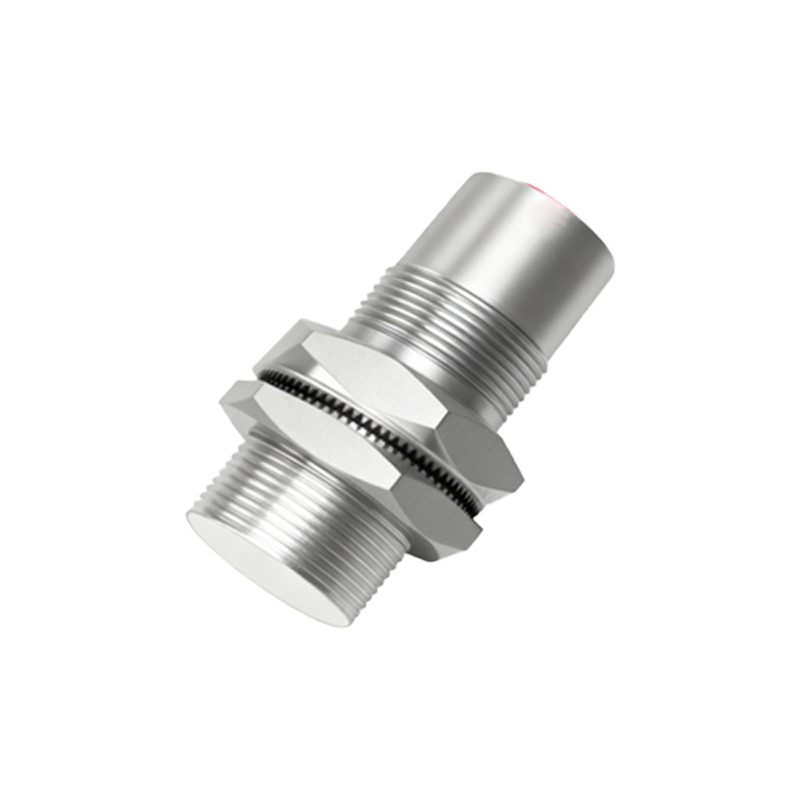
In demanding industrial environments where extreme heat is a constant factor, the reliability and performance of sensing equipment are paramount. High temperature proximity sensors have become indispensable components in sectors such as metal processing, glass manufacturing, automotive production, and aerospace engineering. These specialized sensors are designed to operate accurately and consistently in ambient temperatures that can exceed 200°C, with some models capable of withstanding even higher thermal extremes.
The core technology behind these robust devices often involves inductive, capacitive, or magnetic sensing principles, engineered with materials that resist thermal degradation. Key construction elements include high-temperature-resistant cables, ceramic housings, and specially formulated electronics that maintain stability under thermal stress. When selecting a high temperature proximity sensor, critical parameters to evaluate include the maximum continuous operating temperature, thermal shock resistance, sensing distance, output type (e.g., PNP, NPN, analog, or IO-Link), and the required ingress protection (IP) rating for the environment.
So, where can you source these critical components? A primary channel is through established industrial automation distributors and sensor specialists. Global suppliers like Siemens, Pepperl+Fuchs, Balluff, and Omron offer extensive catalogs with sensors rated for high-temperature operations. These companies provide detailed technical specifications, application guides, and often have engineering support teams to assist with selection for specific use cases, such as monitoring hot metal billets on a forging line or detecting glass bottles in a sterilizing oven.
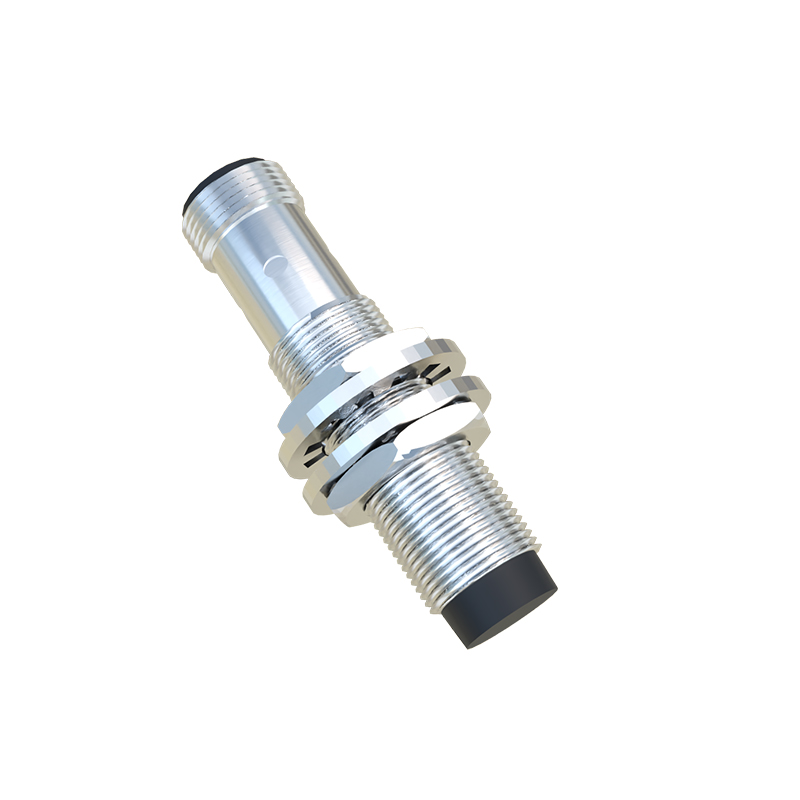
Another vital source is direct engagement with manufacturers who specialize in harsh-environment sensing solutions. Companies like Turck, ifm electronic, and Banner Engineering have developed product lines dedicated to extreme conditions. Procuring directly or through their authorized partners often ensures access to the latest technological advancements, custom configuration options, and comprehensive warranty support.
For specialized or custom applications, particularly in OEM machinery design, partnering with an engineering firm that focuses on sensor integration can be highly effective. These firms understand the nuances of thermal management, signal integrity in noisy environments, and mechanical mounting in confined, hot spaces. They can often source or help develop a sensor solution tailored to precise operational thresholds.
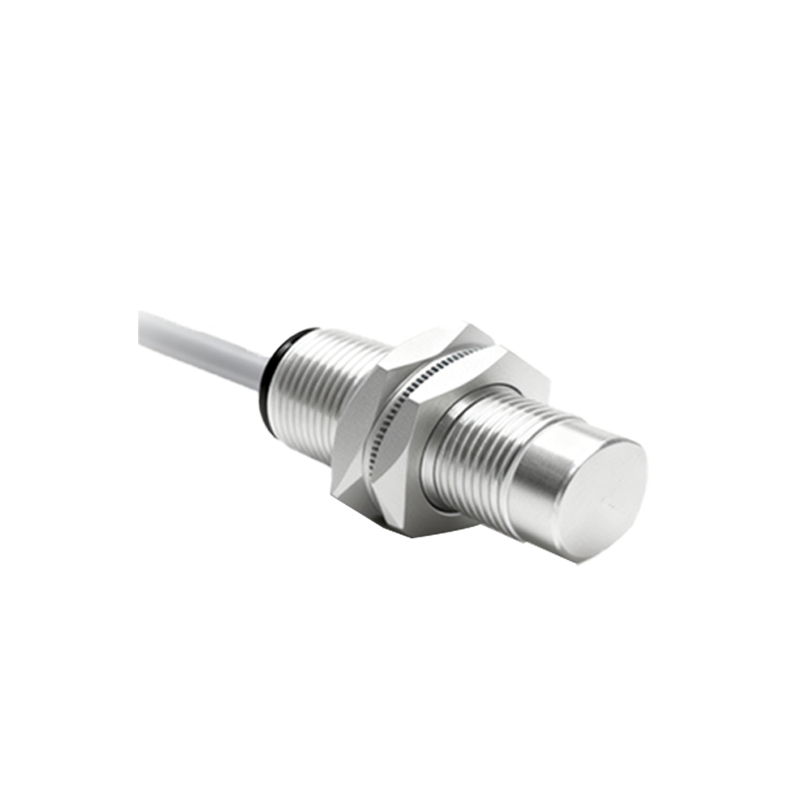
Furthermore, the digital marketplace has grown significantly. Reputable online platforms of major distributors (e.g., Digi-Key, Mouser, RS Components) feature advanced filtering tools that allow engineers to search specifically for proximity sensors by their maximum operating temperature, sensing technology, and connection type. These platforms provide instant access to datasheets, CAD models, and stock availability, streamlining the procurement process.
When evaluating suppliers, it is crucial to verify product certifications, such as ATEX or IECEx for hazardous areas, and to review real-world case studies or application notes. The right supplier will not only provide the physical sensor but also offer valuable expertise in installation practices, such as proper mounting to minimize heat conduction and the use of protective shrouds or cooling accessories if necessary. In conclusion, sourcing high-temperature proximity sensors requires a focus on technical specifications matched to the application's thermal profile and partnering with knowledgeable suppliers who guarantee performance, durability, and support in the most challenging industrial settings.