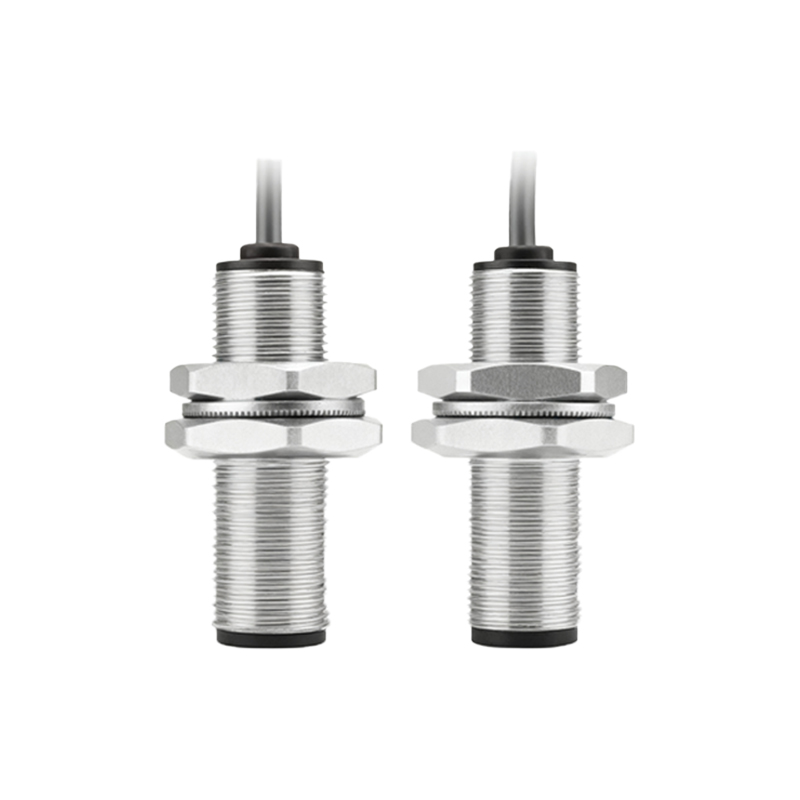
Level proximity sensors are indispensable components in modern industrial automation and process control. These devices detect the presence or absence of a target material at a predetermined point without making physical contact. The principle of operation varies by technology, but the core function remains: to provide a reliable, non-invasive signal indicating whether a liquid, solid, or granular substance has reached a specific level. This capability is fundamental for inventory management, process safety, and automated control systems across countless industries.
The most prevalent types of level proximity sensors include capacitive, inductive, and ultrasonic variants. Capacitive sensors detect liquids, powders, and granular materials by measuring changes in capacitance caused by the dielectric properties of the target material. They are versatile and can sense through non-metallic container walls. Inductive sensors, on the other hand, are designed specifically for detecting conductive metallic targets. They generate an electromagnetic field and react to eddy current losses induced in the metal, making them ideal for detecting the presence of a metal chute or a metal float in a liquid. Ultrasonic sensors operate by emitting high-frequency sound waves and measuring the time it takes for the echo to return from the material's surface. While often used for continuous level measurement, they are also deployed as proximity switches for point-level detection in challenging environments with dust, vapor, or varying material properties.
Selecting the appropriate level proximity sensor requires careful consideration of several key factors. The nature of the material is paramount: its conductivity, dielectric constant, density, and whether it is abrasive or adhesive. The process conditions, such as temperature, pressure, and the presence of corrosive chemicals or explosive atmospheres, dictate the required sensor housing material and protection ratings (e.g., IP67, NEMA 4X). The installation environment is another critical aspect; sensors may need to be mounted externally on tanks, inserted through a nozzle, or configured for hygienic applications in food and pharmaceutical production with specific clean-in-place (CIP) capabilities.
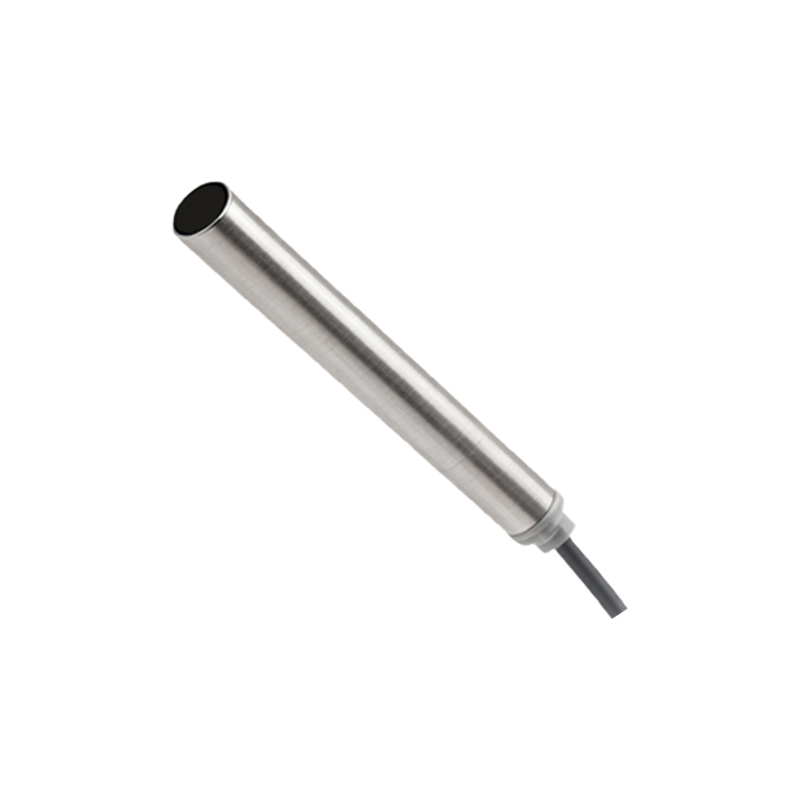
Applications for these sensors are vast and diverse. In the water and wastewater industry, they control pump operations and prevent overflows in sumps and tanks. Manufacturing plants use them to monitor coolant levels, hydraulic oil reservoirs, and adhesive or chemical supplies. The food and beverage sector relies on them for managing ingredients in silos, monitoring fill levels in mixing vessels, and ensuring precise dispensing. In bulk material handling, they prevent bin overflows and control conveyor flow by detecting the presence of materials like plastic pellets, grains, or sand.
Proper installation and maintenance are crucial for optimal performance and longevity. Sensors must be correctly positioned to avoid false triggers from splashing, turbulence, or material buildup. Regular calibration checks, especially for capacitive sensors whose sensitivity might need adjustment for different materials, help maintain accuracy. For ultrasonic sensors, keeping the transducer face clean is essential to ensure proper sound wave transmission. Understanding the electrical output—typically PNP/NPN transistor or relay contacts—and correctly integrating it with the plant's programmable logic controller (PLC) or alarm system completes a successful implementation.
The evolution of level proximity sensors continues with advancements in technology. Modern sensors offer enhanced features like adjustable sensing ranges, time-delay functions to dampen signal chatter, and robust diagnostics via IO-Link communication. This digital interface allows for parameter setting, condition monitoring, and seamless integration into Industry 4.0 frameworks. As industries strive for greater efficiency, reduced downtime, and smarter operations, the humble level proximity sensor remains a critical, reliable sentinel in the automated landscape, ensuring processes run smoothly, safely, and without interruption.