In the evolving landscape of industrial automation and smart systems, sensor technology remains a cornerstone. Among the diverse sensing solutions, capacitive proximity sensors have long been valued for their ability to detect non-metallic objects. However, the emergence of supercapacitive proximity sensors represents a significant leap forward, merging principles of supercapacitor technology with traditional capacitive sensing. This article delves into the technical merits, operational mechanisms, and practical applications of these advanced sensors, providing a clear perspective on their performance and suitability in modern industrial environments.
At its core, a supercapacitive proximity sensor operates by detecting changes in capacitance caused by the approach of an object. Unlike standard capacitive sensors that rely on dielectric changes in a conventional capacitor, supercapacitive variants incorporate materials and designs inspired by supercapacitors—also known as ultracapacitors. Supercapacitors are renowned for their high energy density and rapid charge-discharge cycles. In sensing applications, this translates to enhanced sensitivity and faster response times. The sensor typically consists of electrodes and a dielectric medium, but with advanced materials like activated carbon or graphene-based composites, which increase the surface area and improve charge storage capacity. When an object enters the sensing field, it alters the electric field distribution, leading to a measurable change in capacitance. The integration of supercapacitor principles allows the sensor to detect subtle variations with greater precision, even in challenging conditions such as high humidity or the presence of contaminants.
One of the primary advantages of supercapacitive proximity sensors is their exceptional sensitivity and range. They can detect a wide variety of materials, including plastics, glass, liquids, and biological substances, without direct contact. This makes them ideal for applications where non-invasive detection is crucial, such as in food processing, pharmaceutical manufacturing, or cleanroom environments. Moreover, their rapid response time—often in the microsecond range—ensures real-time monitoring and control, which is vital for high-speed automation lines. Another key benefit is their robustness. Thanks to the durable materials used, these sensors exhibit high resistance to environmental factors like temperature fluctuations, moisture, and dust. This durability reduces maintenance needs and extends operational lifespan, contributing to lower total cost of ownership in industrial settings.
However, like any technology, supercapacitive proximity sensors have limitations. They can be influenced by extreme environmental conditions, such as very high temperatures or conductive fluids, which may cause false triggers. Additionally, their initial cost is typically higher than that of standard capacitive or inductive sensors, though this is often offset by long-term reliability and performance gains. Calibration and installation also require careful attention to avoid interference from nearby objects or electrical noise, necessitating proper shielding and configuration.
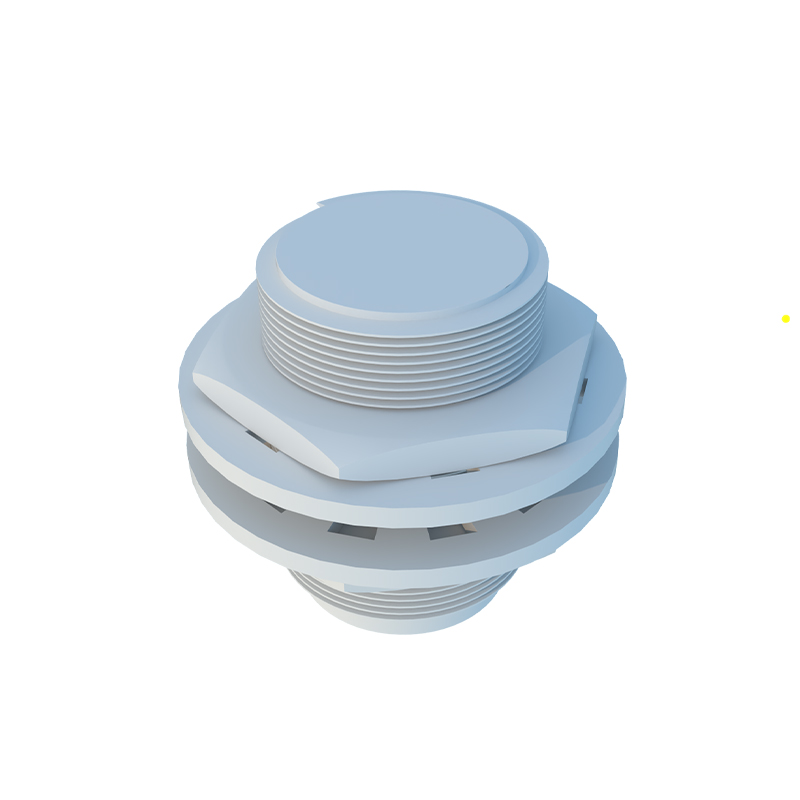
In practical terms, supercapacitive proximity sensors are increasingly deployed across various sectors. In automotive manufacturing, they ensure precise positioning of non-metallic components like dashboards or trim pieces. In packaging industries, they detect transparent films or lightweight containers on conveyor belts. In renewable energy systems, they monitor fluid levels in tanks or the integrity of composite materials. Their versatility is further enhanced by compatibility with IoT platforms, enabling data integration for predictive maintenance and process optimization. As industries move toward smarter, more connected operations, the role of these sensors is set to expand, driven by demands for higher efficiency and accuracy.
Looking ahead, ongoing research in nanomaterials and energy storage is likely to yield even more advanced supercapacitive sensors with improved performance metrics. Innovations in miniaturization and wireless capabilities could open new applications in wearable devices or medical diagnostics. For engineers and system designers, understanding the capabilities and constraints of supercapacitive proximity sensors is essential for leveraging their full potential. By selecting the right sensor based on specific application needs—considering factors like detection range, material compatibility, and environmental resilience—organizations can achieve significant operational enhancements.
In conclusion, supercapacitive proximity sensors offer a compelling blend of high sensitivity, speed, and durability, making them a valuable addition to modern sensing arsenals. While they may not replace all traditional sensors, their unique advantages position them as a superior choice for many specialized and demanding applications. As technology advances, their adoption is expected to grow, reinforcing their status as a key enabler in the journey toward fully automated and intelligent industrial ecosystems.