In the world of industrial automation and precision measurement, laser sensors are indispensable components. Their ability to provide accurate, non-contact detection and measurement makes them critical in applications ranging from manufacturing and robotics to automotive and aerospace. A common and crucial question among engineers and system integrators is: "How long do laser sensors last?" Understanding the lifespan of these devices is essential for maintenance planning, cost analysis, and ensuring uninterrupted production. This guide delves into the factors influencing laser sensor longevity, typical lifespan expectations, and best practices for maximization.
The lifespan of a laser sensor is not defined by a single universal number. Unlike a light bulb with a rated hour life, a laser sensor's operational life is a complex interplay of its internal components and external operating conditions. Generally, high-quality industrial laser sensors are designed for long-term reliability, often cited with a Mean Time Between Failures (MTBF) ranging from 50,000 to over 100,000 hours. This translates to roughly 5.7 to over 11 years of continuous operation. However, this is a statistical measure, and individual sensor life can vary significantly.
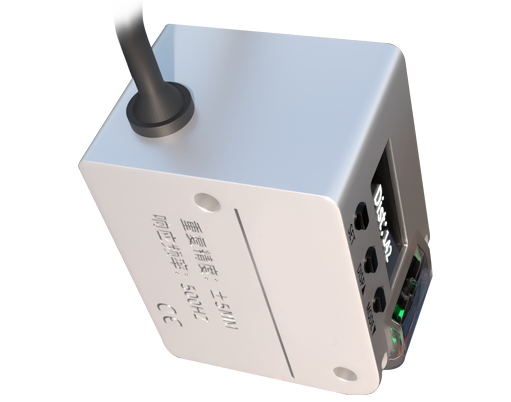
Several key factors directly impact how long a laser sensor will function optimally:

1. Laser Diode Degradation: The heart of the sensor is its laser diode. Like all semiconductor devices, laser diodes experience gradual output power decay over time. High-quality diodes have slower degradation rates. Operating the diode at or below its specified current and within its temperature range is paramount. Excessive drive current or heat is the primary accelerator of diode failure.
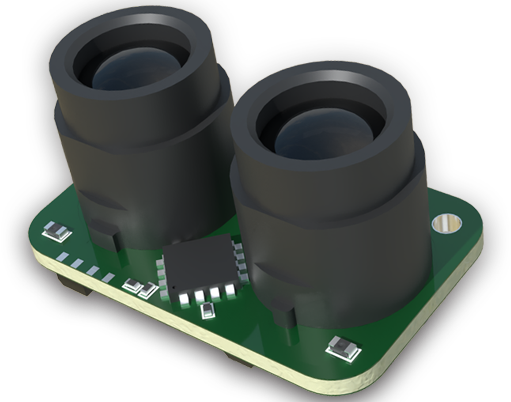
2. Operating Environment: This is perhaps the most significant external factor. Sensors exposed to excessive dust, oil, coolant mist, or other contaminants can have their optics coated, reducing signal strength and causing erroneous readings. Harsh environments with constant vibration or mechanical shock can loosen internal connections or misalign optical components. Extreme temperatures, both high and low, can stress electronic and optical elements, while high humidity can lead to condensation and corrosion.
3. Electrical Factors: Power supply quality is critical. Voltage spikes, surges, or electrical noise (EMI/RFI) can damage sensitive internal circuitry. Ensuring a stable, clean power source as per the sensor's datasheet specifications is non-negotiable for longevity.
4. Duty Cycle and Usage Intensity: A sensor operating 24/7 in a high-speed production line will naturally accumulate operational hours faster than one used intermittently in a laboratory setting. Continuous operation generates consistent internal heat, which must be managed effectively through proper housing and, if necessary, external cooling.
5. Physical Handling and Installation: Improper installation, such as overtightening mounting brackets or subjecting the sensor cable to excessive strain, can cause immediate or latent damage. Following the manufacturer's installation guidelines precisely is a simple yet effective way to ensure a long life.
To maximize the operational lifespan of your laser sensors, adhere to these best practices:
* Select the Right Sensor for the Job: Choose a sensor with an appropriate Ingress Protection (IP) rating for your environment. For dirty or wet conditions, select models with IP67 or higher ratings. Ensure its specified temperature range exceeds your application's extremes.
* Ensure Proper Installation: Mount the sensor securely but without distorting its housing. Protect cables in conduits or cable carriers if they are in areas with moving machinery. Ensure all electrical connections are tight and correct.
* Implement a Proactive Maintenance Schedule: Regularly clean the sensor's lens or window with approved materials (e.g., lint-free cloth, appropriate solvent) to prevent buildup. Periodically check its alignment and calibration, especially in applications where vibration is present.
* Control the Electrical Environment: Use surge protectors, shielded cables, and proper grounding techniques to mitigate electrical interference. Consider using an uninterruptible power supply (UPS) or voltage regulator in areas with unstable power.
* Monitor Performance: Keep a log of sensor performance metrics. A gradual decline in signal strength or an increase in measurement noise can be an early indicator of diode degradation or contamination, allowing for planned replacement before catastrophic failure.
In conclusion, while a well-made laser sensor can reliably operate for a decade or more, its actual lifespan is predominantly in the hands of the user. By understanding the factors that lead to wear and failure, and by implementing rigorous selection, installation, and maintenance protocols, engineers can significantly extend the service life of these critical components. This proactive approach not only reduces downtime and replacement costs but also ensures the sustained accuracy and reliability that modern automated systems depend upon. When in doubt, always consult the specific technical datasheet and application notes provided by the sensor manufacturer for the most accurate lifespan estimations and care instructions tailored to their product.