In the complex ecosystem of industrial automation, proximity sensors serve as the critical eyes of machinery, providing non-contact detection essential for precision, safety, and efficiency. However, a particularly challenging class of malfunctions arises not from physical damage or simple electrical faults, but from anomalies in the sensor's internal communication protocol, often manifested as "Non-Original Machine Code" errors. This issue delves into the core of sensor-processor interaction and demands a systematic diagnostic approach.
At its heart, a modern inductive or capacitive proximity sensor is more than just a switch. It contains an oscillator, a detection circuit, and crucially, an integrated circuit (IC) or microcontroller that manages its operation and communication. This microcontroller operates based on firmware—a set of programmed instructions. In many proprietary or high-end systems, this sensor communicates with the main Programmable Logic Controller (PLC) or machine controller using a specific digital protocol. The data packet exchanged includes not just the ON/OFF state, but also status bits, diagnostic information, and a unique identifier or "machine code." This code authenticates the sensor to the controller, confirming it is an approved, original component with compatible firmware.
A "Non-Original Machine Code" error occurs when the controller receives a data packet from a sensor containing an unrecognized or unexpected identifier. The immediate symptom is often a machine halt, a fault alarm on the HMI (Human-Machine Interface), and the sensor being ignored by the control system, even if its basic detection function appears to be working when tested in isolation.
The root causes of this anomaly are multifaceted. The most common scenario is the replacement of a failed sensor with a non-identical unit. Even if the new sensor is physically compatible (same size, sensing distance, and voltage), it may originate from a different batch, a different OEM supplier, or have a revised firmware version. Its embedded machine code will differ from the one expected by the machine's controller, which has been programmed to accept only a specific set of codes. Another cause is firmware corruption within the sensor itself. Electrical transients, voltage spikes, or severe electromagnetic interference (EMI) can occasionally alter the memory sector of the sensor's microcontroller where this code is stored, leading to corruption and the transmission of garbled or null data in that field. Less frequently, issues on the controller side, such as corrupted memory in the PLC's input card or an incorrect configuration in the machine's parameter settings, can lead to a failure in recognizing a valid code.
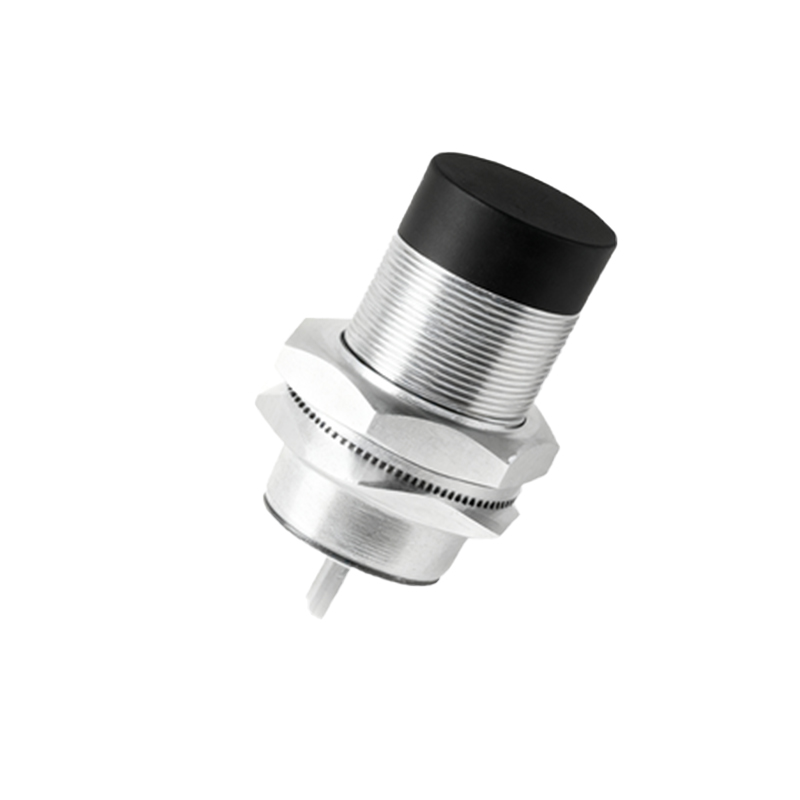
Diagnosing this fault requires a logical sequence. First, verify the basic electricals: supply voltage, current draw, and output signal with a multimeter or oscilloscope. If these are normal, the next step is to access the controller's fault log. The specific error message is key. Following this, compare the part number, serial number, and any firmware revision markings on the faulty (or newly installed) sensor with the original specifications from the machine's documentation. For advanced diagnostics, using a protocol analyzer or a compatible software tool to "listen" to the actual data communication on the network can reveal the exact code being sent by the sensor.
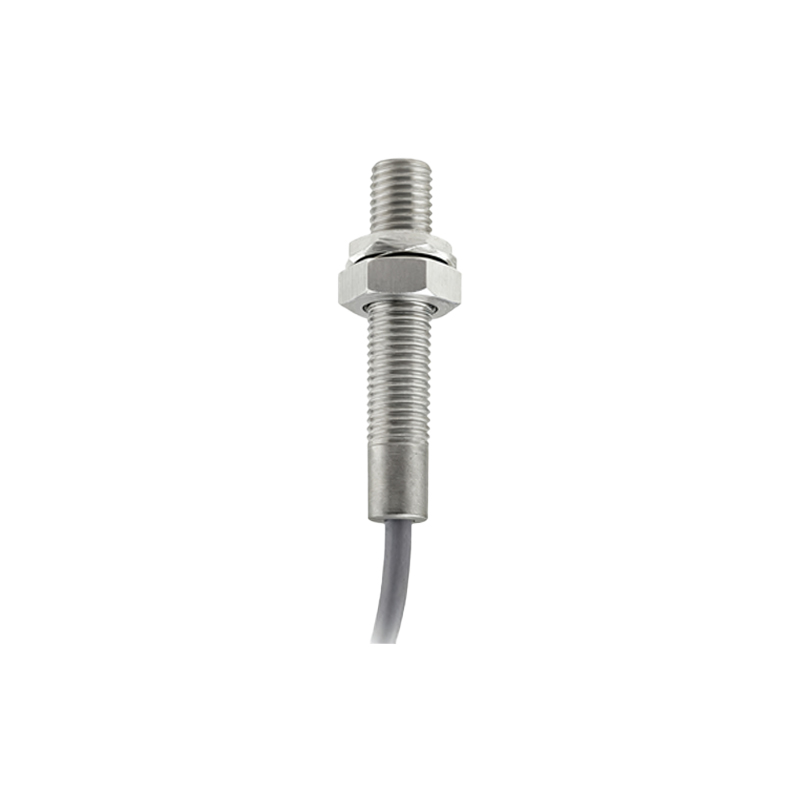
Resolution strategies vary. The simplest, though not always the most cost-effective, is to source an exact replacement sensor from the original machine manufacturer or an authorized distributor. If this is not possible, investigating whether the machine controller's parameters can be adjusted is necessary. Some modern controllers allow users to "teach" or register a new sensor code through a configuration menu, disabling the strict validation check. In other systems, a controller firmware update might expand its library of accepted device codes. For sensors suspected of firmware corruption, some high-end models support field firmware updates via a programming tool, though this is a specialized procedure. As a critical workaround, in systems where only the state detection is vital and safety interlocks are not tied to the code, engineers might reconfigure the system to use a standard discrete input, bypassing the smart communication entirely, though this sacrifices diagnostic capabilities.
Prevention is paramount. Maintaining an accurate spare parts inventory with full technical specifications, including firmware versions, is essential. When purchasing replacements, insist on detailed compatibility information from suppliers. Implementing robust electrical protection, such as surge suppressors and proper shielding for cables in high-EMI environments, can prevent the corruption events that lead to these cryptic errors.
Ultimately, the non-original machine code error highlights the increasing intelligence and interdependence of industrial components. It moves troubleshooting from the realm of pure electrical engineering into the intersection of firmware management, digital communication protocols, and system integration. Understanding this fault is a step towards mastering the maintenance of tomorrow's smarter, more connected factories.