In the competitive landscape of industrial automation, the demand for cost-effective yet reliable components is ever-present. Proximity switch sensors, essential for detecting the presence or absence of objects without physical contact, are no exception. While high-end models often dominate discussions with advanced features, a significant market exists for affordable proximity sensors that deliver dependable performance. This article explores the realm of low-cost proximity switch sensors, examining their design principles, common applications, and key considerations for integration.
The fundamental technology behind most budget-friendly proximity sensors remains inductive or capacitive sensing. Inductive sensors, typically the most economical, detect metallic objects through electromagnetic fields. They are renowned for their robustness, long operational life, and resistance to environmental factors like dust and moisture. Capacitive sensors, slightly more versatile in cost-competitive variants, can detect both metallic and non-metallic materials, including liquids and granular substances, by measuring changes in capacitance. The manufacturing efficiencies achieved through standardized designs and high-volume production are primary drivers in reducing unit costs without completely sacrificing core functionality.
A common misconception is that a lower price tag inherently equates to inferior quality. While it is true that premium sensors may offer extended sensing ranges, higher switching frequencies, or specialized housing materials, many affordable sensors are perfectly adequate for a vast array of standard applications. These include straightforward tasks in packaging machinery, conveyor belt systems, basic assembly line position verification, and door status monitoring. For processes where the detection parameters are consistent and the environment is not excessively harsh, a well-chosen low-cost sensor can perform flawlessly for years, providing an excellent return on investment.
However, selecting an economical proximity switch requires careful attention to specifications. The first consideration is the sensing range. Budget models often have shorter, less adjustable ranges. It is crucial to ensure the specified range meets the application's needs with a reasonable safety margin. Secondly, environmental ratings are paramount. Even affordable sensors should carry an appropriate Ingress Protection (IP) rating (e.g., IP67) for the intended environment to ensure longevity. A sensor that fails prematurely due to water or dust ingress offers no cost savings.
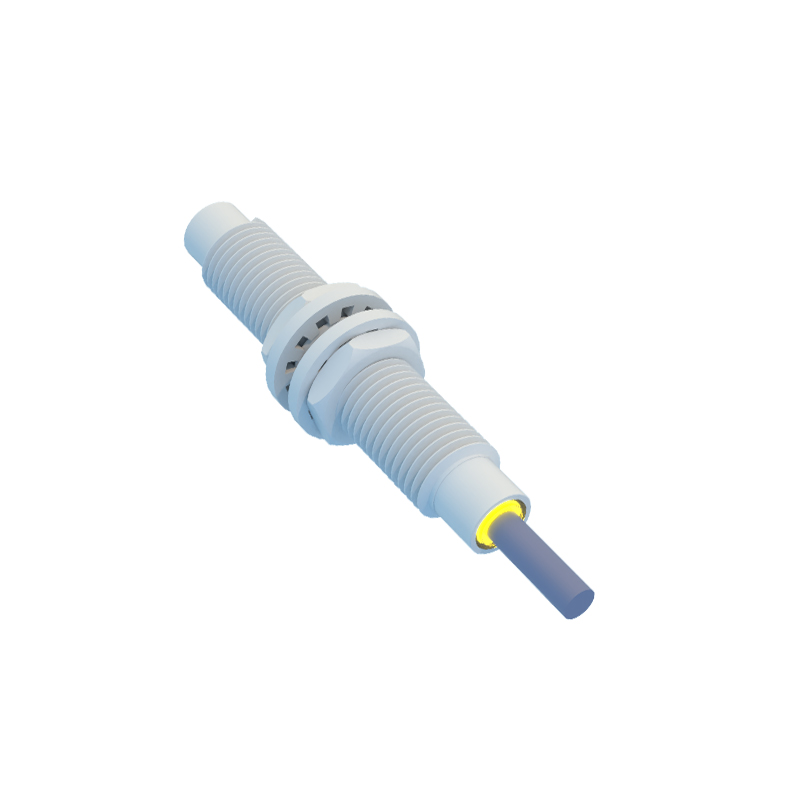
Electrical characteristics demand scrutiny. The output type (PNP/NPN, NO/NC) must be compatible with the controller (PLC). The load current and voltage ratings must match the connected device. Some low-cost sensors may have tighter tolerances on supply voltage fluctuations, so stable power is essential. Additionally, housing material—often PBT or nickel-plated brass in economical versions—should be suitable for the physical and chemical conditions present.
Installation and maintenance practices also influence the total cost of ownership. Proper mounting, alignment, and wiring are critical. A misaligned sensor, regardless of its price, will not function correctly. Leveraging sensors with standard form factors (e.g., cylindrical M8, M12, M18 threads) simplifies replacement and reduces downtime. While diagnostic features like LED indicators are common, advanced diagnostics may be limited in basic models, placing more emphasis on proper initial setup and routine checks.
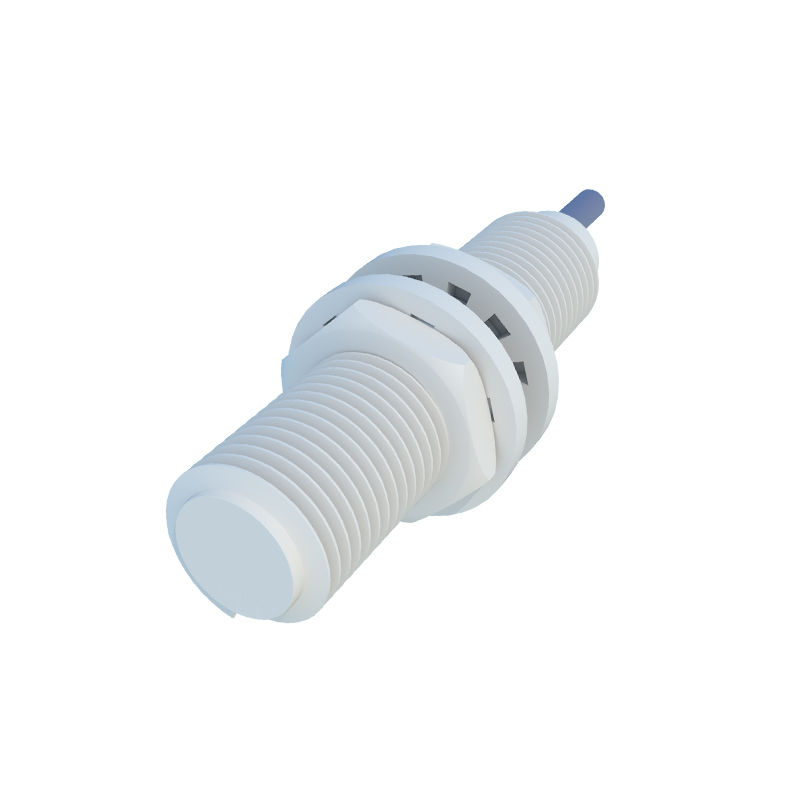
In conclusion, the market for low-priced proximity switch sensors offers viable solutions for countless automation scenarios. The key to success lies in a disciplined selection process that aligns the sensor's capabilities with the application's fundamental requirements. By prioritizing essential parameters like sensing type, range, environmental sealing, and electrical compatibility, engineers and procurement specialists can source affordable sensors that provide reliable detection, optimize project budgets, and maintain system integrity. Ultimately, value is defined not by the lowest sticker price, but by achieving the necessary performance over a sustained operational life at a minimal total cost.