In modern industrial environments, laser technology is integral to processes ranging from precision cutting and welding to measurement and alignment. However, the high-intensity, coherent light beams that make lasers so effective also pose significant safety risks, including potential eye damage, skin burns, and fire hazards. This is where laser safety sensors, or laser guards, become indispensable. These specialized electro-optical devices are engineered to detect the presence of laser radiation and initiate immediate protective actions, forming a critical layer in machine safety systems.
A laser safety sensor system typically consists of three core components: a sensing element, a control unit, and an output mechanism. The sensing element, often a photodiode or an array configured to be sensitive to specific laser wavelengths, continuously monitors the protected field. When laser light above a predefined intensity threshold is detected, the sensor sends a signal to the control unit—a safety-rated controller or programmable logic controller (PLC). This unit then triggers safety outputs, such as shutting down the laser source, closing a safety shutter, or activating an alarm, all within milliseconds. This rapid response is crucial to preventing exposure.
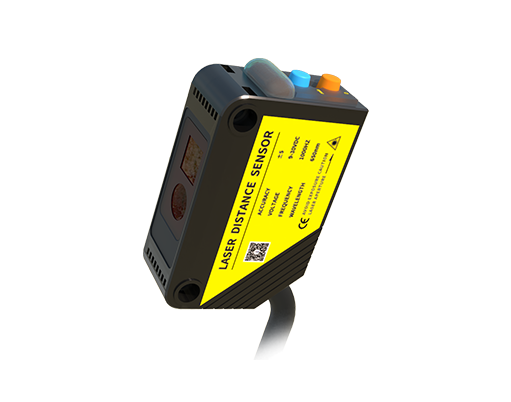
Key technical specifications define a sensor's suitability for an application. The wavelength range must match the operating wavelength of the laser, such as 1064 nm for Nd:YAG lasers or 10.6 μm for CO2 lasers. The response time, often in the microsecond range, determines how quickly the system can react. The detection threshold is calibrated to ignore ambient light while being sensitive to hazardous laser levels. Furthermore, many industrial laser safety sensors comply with international safety standards like IEC 61496, ensuring they meet rigorous performance and reliability criteria for safety components.
The applications for these sensors are vast. In laser cutting and welding cells, they create invisible protective curtains around the work area, stopping the process if a person breaches the zone. In medical and cosmetic laser facilities, they ensure treatment beams are contained within intended paths. Research laboratories use them to safeguard personnel working with high-power experimental setups. The integration of these sensors with other safety devices, such as light curtains, interlocked doors, and emergency stop circuits, creates a comprehensive safety ecosystem.
Selecting the right laser safety sensor requires a thorough risk assessment. Factors include the laser's class (per IEC 60825-1 or ANSI Z136.1), its maximum power output, pulse characteristics, and the specific layout of the machinery. For instance, a Class 4 high-power industrial laser demands a more robust and fail-safe sensor system than a Class 2 low-power alignment laser. Regular testing and maintenance are also paramount to ensure the sensor's ongoing reliability, as dust accumulation or component aging can affect sensitivity.
In conclusion, laser safety sensors are not optional accessories but fundamental engineering controls for responsible laser use. They enable the powerful benefits of laser technology to be harnessed while systematically mitigating the inherent risks. As laser applications continue to expand into new frontiers like additive manufacturing and autonomous systems, the role of these vigilant electronic guardians will only grow in importance, ensuring that progress in automation and precision does not come at the cost of human safety.