In an increasingly interconnected world, the concept of personal space has taken on new dimensions. Enter wearable proximity sensors—compact, intelligent devices that are quietly revolutionizing how we interact with our environment and each other. These unassuming pieces of technology, often integrated into watches, badges, or clothing, are far more than simple gadgets; they are becoming essential tools for health, safety, and social coordination.
At their core, wearable proximity sensors detect and measure the physical distance between individuals or between a person and an object. They typically utilize technologies like Bluetooth Low Energy (BLE), Ultra-Wideband (UWB), or infrared signals to achieve remarkable accuracy, often down to a few centimeters. This data, collected continuously and unobtrusively, creates a dynamic map of interpersonal interactions throughout the day.

The most prominent and socially impactful application emerged from global public health needs. During viral outbreaks, these sensors transformed into digital sentinels for contact tracing. By logging anonymous, encrypted records of close encounters, health authorities could swiftly identify and notify individuals potentially exposed to pathogens, a process far more efficient and comprehensive than manual recall. This application highlighted a critical shift: from reactive measures to proactive, data-driven prevention. In workplaces, schools, and hospitals, wearable proximity sensors now help enforce social distancing guidelines, providing gentle haptic or auditory alerts when individuals come too close, thereby fostering safer communal environments.
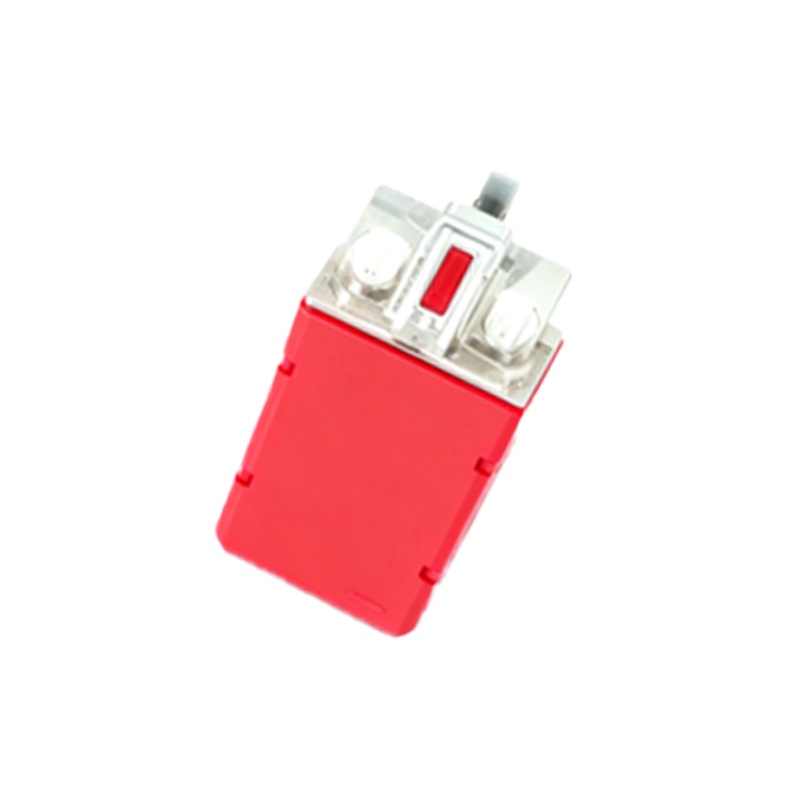
Beyond pandemic management, the utility of these sensors extends into occupational safety and operational efficiency. In industrial settings, such as factories and warehouses, workers wearing sensor-equipped badges can be alerted if they stray too close to hazardous machinery or restricted zones, preventing accidents. Similarly, in hospitals, sensors can monitor interactions between staff and patients, optimizing workflow and ensuring protocol compliance, while also tracking the location of critical equipment.

On a personal level, wearable proximity sensors are evolving into sophisticated context-aware companions. Imagine a smartwatch that not only tracks your heart rate but also understands your social context. It could mute notifications automatically during a close conversation, or log meaningful social interactions for individuals aiming to improve their communication habits or manage social anxiety. For the visually impaired, sensors integrated into wearables can provide nuanced feedback about approaching obstacles or people, offering greater environmental awareness.
The proliferation of the Internet of Things (IoT) further amplifies their potential. A sensor on your wrist could communicate with your smart home, turning on lights as you approach a room or adjusting the thermostat based on your presence. In retail, stores equipped with compatible systems could offer personalized greetings or promotions to loyal customers as they near a specific aisle, blending the physical and digital shopping experience seamlessly.
However, the ascent of this technology is not without significant challenges and ethical considerations. The very feature that makes proximity sensors powerful—the constant collection of interaction data—raises profound questions about privacy and data security. Who owns this data? How long is it stored? Could it be used for employee monitoring beyond safety? Robust encryption, strict data anonymization policies, and transparent user consent are non-negotiable pillars for responsible deployment. Furthermore, the potential for social stratification exists if access to such technology becomes a marker of privilege in certain high-risk workplaces.
Looking ahead, the future of wearable proximity sensors is one of increased miniaturization, improved energy efficiency, and deeper integration. We are moving towards sensors woven directly into the fabric of clothing—truly invisible guardians. Advances in ambient computing will allow these devices to work in concert with other sensors, building a holistic understanding of a user's situation without active input. Research is also exploring their use in studying social dynamics in groups, aiding the elderly in living independently, and enhancing team coordination in fields like emergency response.
In conclusion, wearable proximity sensors represent a paradigm shift in our relationship with the immediate space around us. They are tools of prevention, efficiency, and personal insight. As they evolve from niche health devices to mainstream components of our wearable ecosystem, their success will hinge not just on technological prowess, but on a steadfast commitment to ethical design and user-centric principles. They promise a future where our technology understands not just our bodies, but the space we share, acting as discreet facilitators for a safer, more coordinated, and more considerate society.