In the realm of industrial automation and machinery, proximity switch sensors are indispensable components for non-contact detection of metallic or non-metallic objects. Among the various configurations available, the 3-wire proximity sensor stands out for its reliability and widespread adoption. However, the true power of this technology is unlocked through customization, allowing engineers to tailor sensors to precise operational demands, thereby optimizing system performance and longevity.
A standard 3-wire proximity sensor typically comprises three leads: brown for positive supply voltage (V+), blue for common ground (0V), and black for the output signal. This design offers a clear advantage over 2-wire versions by providing a separate output line, which minimizes leakage current and ensures a more stable and precise switching signal. The output can be configured as either NPN (sinking) or PNP (sourcing), catering to different PLC (Programmable Logic Controller) and control system requirements. The fundamental principle involves an oscillator circuit that generates a high-frequency electromagnetic field. When a target object enters this sensing field, it induces eddy currents (for metallic targets) or causes a change in capacitance, which dampens the oscillation. This change is detected by the evaluation circuit, triggering a solid-state switch to change the state of the output signal.
The concept of customization transforms these sensors from off-the-shelf parts into integrated solutions. Customization can be approached from multiple angles. First is the physical form factor. Standard barrel-style housings (e.g., M8, M12, M18, M30) may not fit every application. Custom lengths, diameters, thread types, or even rectangular housings can be engineered to meet specific spatial constraints or mounting challenges in machinery. Material selection is another critical area. While nickel-plated brass is common, applications involving extreme washdowns (food & beverage, pharmaceuticals) may require stainless steel (e.g., 316L) housings. For chemically aggressive environments, sensors with PVDF or PTFE coatings provide exceptional resistance.
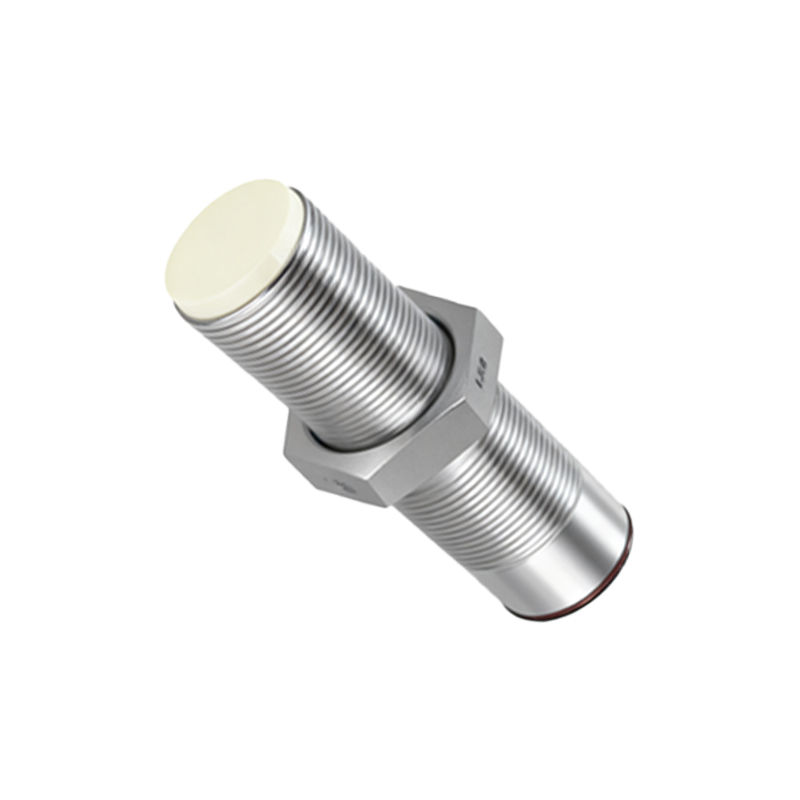
Electrical and sensing characteristics offer a vast playground for customization. The sensing range, a key parameter, can be fine-tuned. While standard ranges are fixed, custom designs can slightly extend or precisely calibrate the range for unique target materials or sizes. Output configuration is highly flexible. Beyond simple NPN/PNP NO/NC (Normally Open/Normally Closed) choices, sensors can be built with complementary outputs (both NO and NC), analog outputs (4-20mA, 0-10V) for distance proportionality, or even IO-Link digital communication for advanced diagnostics and parameter setting. Voltage operating ranges can also be widened or shifted; a sensor might be customized to operate reliably from 10-30V DC instead of a standard 10-30V range, adding a buffer for unstable power supplies.
Environmental and performance specifications are often the drivers for deep customization. Operating temperature ranges can be extended for foundries or cryogenic applications. Shielding (flush-mountable) or non-shielding characteristics are chosen based on the need to detect targets embedded in metal or to avoid interference from surrounding metallic structures. Ingress Protection (IP) ratings can be elevated to IP67, IP68, or IP69K for submersible or high-pressure/high-temperature cleaning scenarios. Specialized versions with increased electromagnetic compatibility (EMC) immunity are crucial for environments with heavy motor or welding interference.
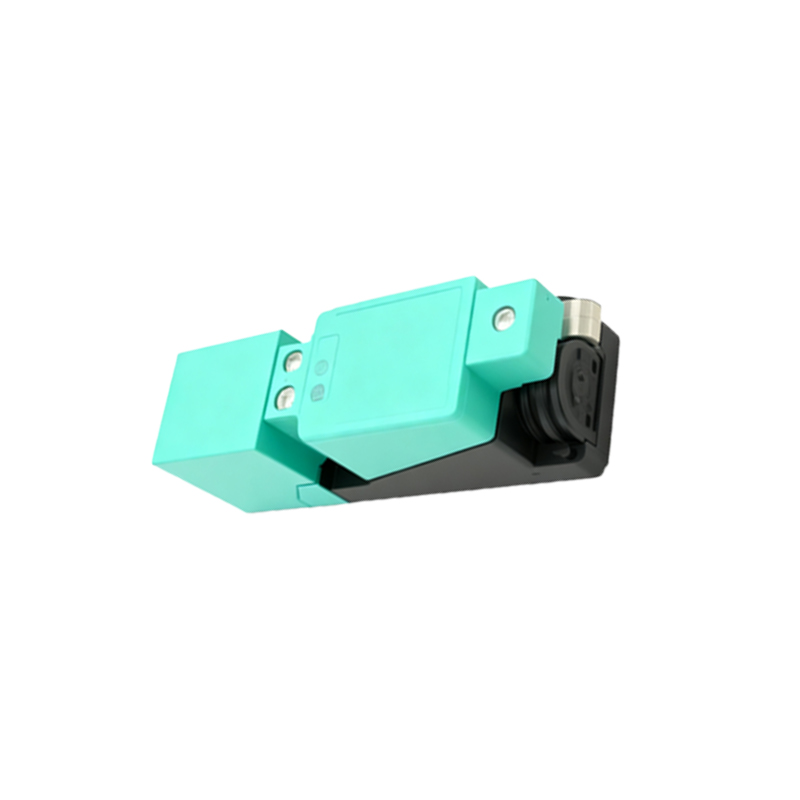
The applications for customizable 3-wire proximity sensors are boundless. In automotive assembly lines, custom short-body sensors fit into robotic end-effectors for part presence verification. In packaging machinery, sensors with precise, repeatable sensing ranges ensure accurate carton counting. In metal fabrication, weld-field immune models reliably detect parts near robotic welders. In material handling, analog-output sensors monitor roll diameters on conveyors. The agricultural and construction equipment sector utilizes ruggedized, wide-temperature-range sensors for vehicle position sensing.
Implementing a custom sensor solution requires close collaboration between the design engineer and the sensor manufacturer. The process typically involves defining the operational problem, specifying all required parameters (mechanical, electrical, environmental), and prototyping. While custom solutions may involve higher initial unit costs and longer lead times compared to standard catalog items, the return on investment is realized through reduced machine downtime, elimination of adapter brackets or complex wiring, improved process reliability, and extended service life. In essence, a customizable 3-wire proximity sensor is not merely a component but a engineered interface between the control system and the physical world, designed to perform a specific task with uncompromising precision and durability.