Proximity sensors are indispensable components in modern industrial automation and electronic systems. These non-contact sensing devices detect the presence or absence of objects within a specified range, offering reliability, precision, and durability in diverse environments. Their ability to operate without physical contact minimizes wear and tear, making them ideal for high-cycle applications. This article explores the primary application scenarios of proximity sensors across various sectors, highlighting their functional versatility and operational advantages.
In manufacturing and assembly lines, inductive proximity sensors are extensively used for metal object detection. They monitor the position of machine parts, count metallic components on conveyor belts, and ensure proper alignment in robotic arms. For instance, in automotive manufacturing, these sensors verify the placement of engine blocks or detect the presence of metal panels during stamping processes. Their robustness against dust, oil, and vibration ensures consistent performance in harsh factory conditions.

Capacitive proximity sensors, capable of detecting both metallic and non-metallic materials, find applications in packaging and material handling. They are employed to monitor fill levels in containers made of glass, plastic, or cardboard, triggering alerts when liquid or powder levels are too high or low. In food processing, they detect the presence of plastic bottles or cardboard boxes on production lines, enabling automated sorting and packaging without direct contact, which maintains hygiene standards.
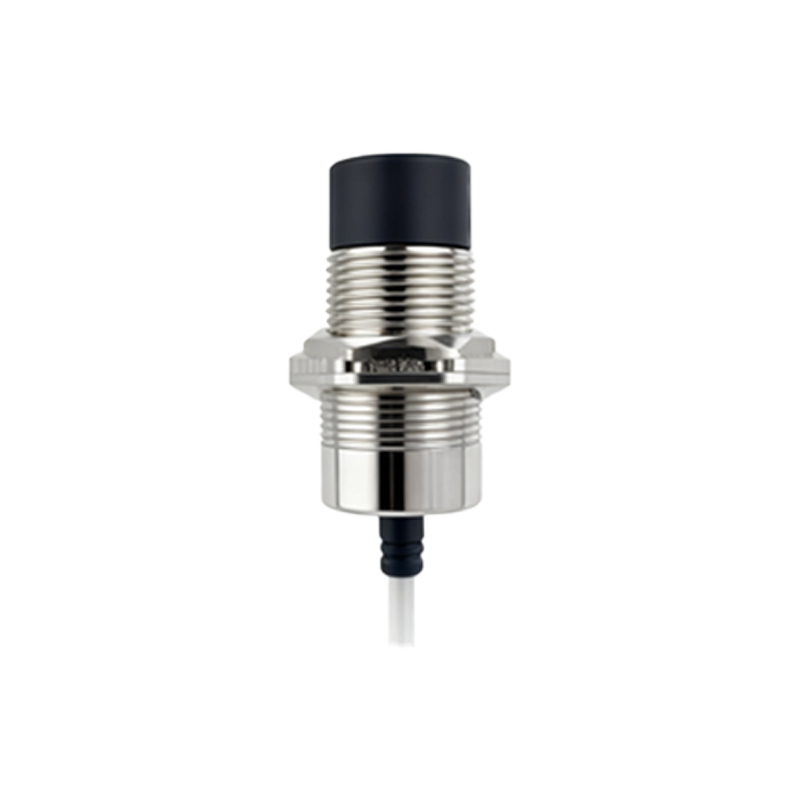
Ultrasonic proximity sensors are pivotal in distance measurement and obstacle detection. Widely used in automotive parking assistance systems, they measure the distance between a vehicle and nearby objects, providing audible or visual warnings to prevent collisions. In logistics and warehousing, these sensors manage inventory by monitoring stack heights on pallets or guiding automated guided vehicles (AGVs) through warehouse aisles by detecting obstacles in their path.
Magnetic proximity sensors, often referred to as reed switches or Hall effect sensors, are crucial in security and safety systems. They are integrated into door and window alarms to detect openings, or used in elevators to confirm door closure before movement. In industrial machinery, magnetic sensors monitor the position of cylinders in pneumatic systems, ensuring sequential operation and preventing mechanical failures.
Photoelectric proximity sensors, utilizing infrared or laser beams, excel in precise detection tasks across electronics and pharmaceutical industries. They verify the presence of tiny components on circuit boards during soldering or assembly, and inspect pill bottles for correct labeling and sealing on high-speed production lines. Their high accuracy and fast response time are essential for quality control in precision-driven environments.
Beyond industrial settings, proximity sensors enhance consumer electronics. In smartphones, they deactivate touchscreens during calls to prevent accidental inputs, while in smart home devices, they enable touchless faucets or automatic soap dispensers, promoting hygiene and convenience. Automotive applications extend to keyless entry systems, where sensors detect a key fob’s presence to unlock doors automatically.
The adaptability of proximity sensors is further demonstrated in harsh or specialized environments. In mining, explosion-proof variants detect equipment positions underground, while in aerospace, they monitor landing gear deployment. Their sealed designs resist water, chemicals, and extreme temperatures, ensuring functionality in outdoor or hazardous locations.
In summary, proximity sensors are foundational to automation, safety, and efficiency. From streamlining factory operations to enabling smart technologies, their non-contact detection capabilities reduce maintenance, improve accuracy, and support innovation. As industries evolve toward greater connectivity and automation, the role of proximity sensors will continue to expand, driven by advancements in sensitivity, miniaturization, and integration with IoT systems. Their widespread adoption underscores their critical importance in achieving operational excellence and technological progress across global sectors.