In the rapidly evolving landscape of industrial automation and electronic design, a pronounced trend is the relentless miniaturization of components. Among these, proximity sensors have undergone a particularly remarkable transformation, evolving into ultra-compact and short-body form factors. This shift is not merely a matter of aesthetic preference but a critical response to multifaceted engineering and market demands. The primary drivers behind this trend are the need for space optimization, enhanced performance in constrained environments, advancements in semiconductor technology, and evolving application requirements.
The most immediate and compelling reason for the miniaturization of proximity sensors is the imperative to save space. Modern machinery, robotic arms, and consumer electronics are designed with increasingly dense layouts. Every cubic millimeter counts. Traditional, larger sensors often posed significant integration challenges, limiting design flexibility and sometimes even necessitating compromises in mechanical structure. Ultra-compact sensors can be installed in locations previously deemed impossible, such as within the slender joints of collaborative robots, inside compact handheld devices, or on densely populated printed circuit boards (PCBs). This allows OEMs to design more streamlined, efficient, and ultimately smaller end-products without sacrificing sensing capabilities.
Closely tied to space savings is the demand for performance in confined or complex environments. A shorter sensing range or a smaller body is often specifically engineered for precise detection in tight quarters. For instance, in semiconductor manufacturing equipment or micro-assembly lines, sensors must detect tiny components or verify positions without interfering with adjacent mechanisms. A short-body, flush-mountable inductive proximity sensor can be embedded into a metal housing, providing reliable detection right at the surface without protruding. This prevents physical damage to the sensor and avoids snagging, which is crucial in high-speed automation. Furthermore, reduced sensor size can lead to faster response times due to smaller sensing fields and optimized internal electronics, enhancing overall system cycle times.
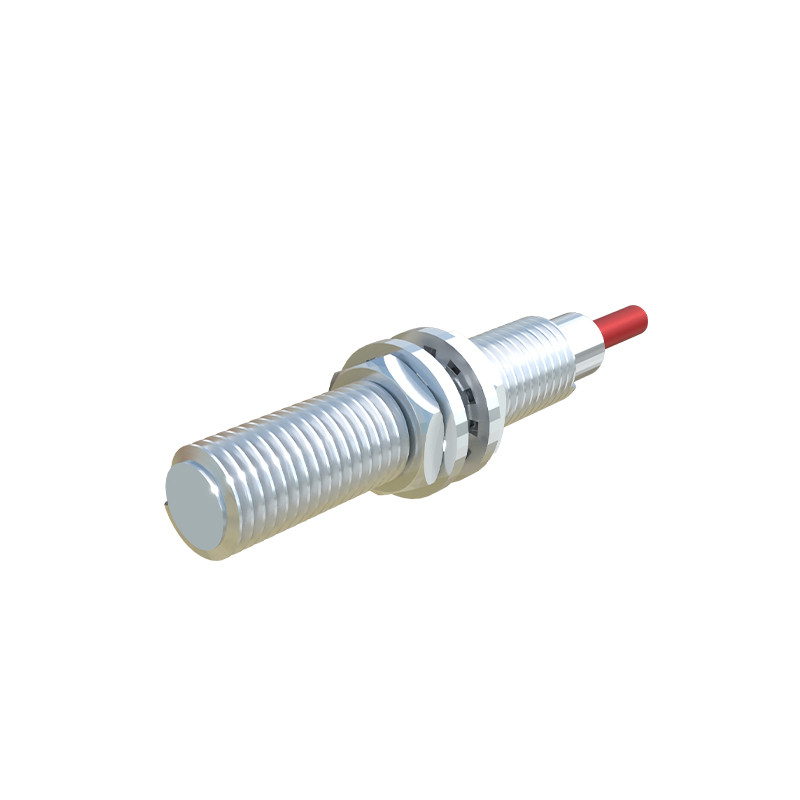
The technological enabler of this miniaturization is the groundbreaking progress in microelectronics and materials science. The core of a modern proximity sensor—the oscillator, amplifier, and output circuit—has been dramatically shrunk through advanced integrated circuit (IC) design and surface-mount technology (SMT). Manufacturers can now pack sophisticated functionality onto a single, tiny application-specific integrated circuit (ASIC). Additionally, innovations in coil winding for inductive sensors and the use of specialized, high-performance plastics and ceramics for housings allow for robust protection in a minuscule package. These materials ensure that even the smallest sensors meet stringent IP (Ingress Protection) ratings for dust and water resistance, as well as withstand mechanical stress and temperature variations.
Application trends are also reshaping sensor design. The rise of the Internet of Things (IoT) and smart devices necessitates sensors that are not only small but also low-power and capable of digital communication (e.g., IO-Link). Ultra-compact sensors fit seamlessly into IoT nodes and edge devices. In mobile robotics and drones, weight and size are paramount; every gram reduced contributes to longer battery life and greater agility. Similarly, in the automotive sector, particularly with electric and autonomous vehicles, space within the vehicle chassis and around battery packs is at a premium. Miniaturized sensors are essential for functions like gear position detection, seat occupancy sensing, and battery management system monitoring.
However, the move towards ultra-small sensors is not without its challenges. Engineers must carefully consider potential trade-offs. A very small sensing face might have a reduced effective sensing distance compared to a larger model. Shielding and noise immunity can be more challenging to implement in a tiny package, requiring clever electrical design. Despite these hurdles, sensor manufacturers are continuously innovating, often using advanced algorithms and calibration techniques to compensate for physical limitations.
In conclusion, the trend toward ultra-compact and short-body proximity sensors is a direct and intelligent response to the core needs of modern industry: maximizing efficiency, enabling new designs, and leveraging cutting-edge technology. This evolution reflects a deeper principle in engineering—doing more with less. As miniaturization technologies continue to advance, we can expect these powerful yet tiny sensing components to become even more pervasive, unlocking new possibilities in automation, consumer electronics, and beyond. The future of sensing is not just smart; it is undoubtedly small.