In the realm of industrial automation, proximity switch sensors stand as fundamental components for non-contact object detection. Among the various sensing ranges available, the 200mm proximity sensor represents a versatile and widely adopted solution for medium-range applications. This article delves into the technical specifications, operational principles, selection criteria, and typical use cases for proximity sensors with a 200mm nominal sensing distance.
Proximity sensors operating at a 200mm range are predominantly inductive or capacitive in nature. Inductive proximity sensors are the workhorses for detecting metallic objects. They generate an electromagnetic field; when a ferrous or non-ferrous metal target enters this field within the 200mm range, it causes a change in oscillation amplitude, which the sensor's circuitry detects and converts into a switching signal. The 200mm specification refers to the nominal operating distance (Sn). It is crucial to note that factors such as target material, size, shape, and environmental conditions can affect the effective sensing range. For instance, with inductive sensors, steel targets are detected at the full 200mm, while aluminum or copper may reduce the effective range due to different electromagnetic properties.
Capacitive proximity sensors, capable of detecting both metallic and non-metallic materials (liquids, plastics, wood, etc.), also come in 200mm variants. These sensors function by detecting changes in capacitance caused by the approach of any material that alters the dielectric constant of the sensing field. The 200mm range in capacitive sensors is highly dependent on the material's dielectric constant; water-based materials, for example, are detected more easily at greater distances compared to dry plastics.
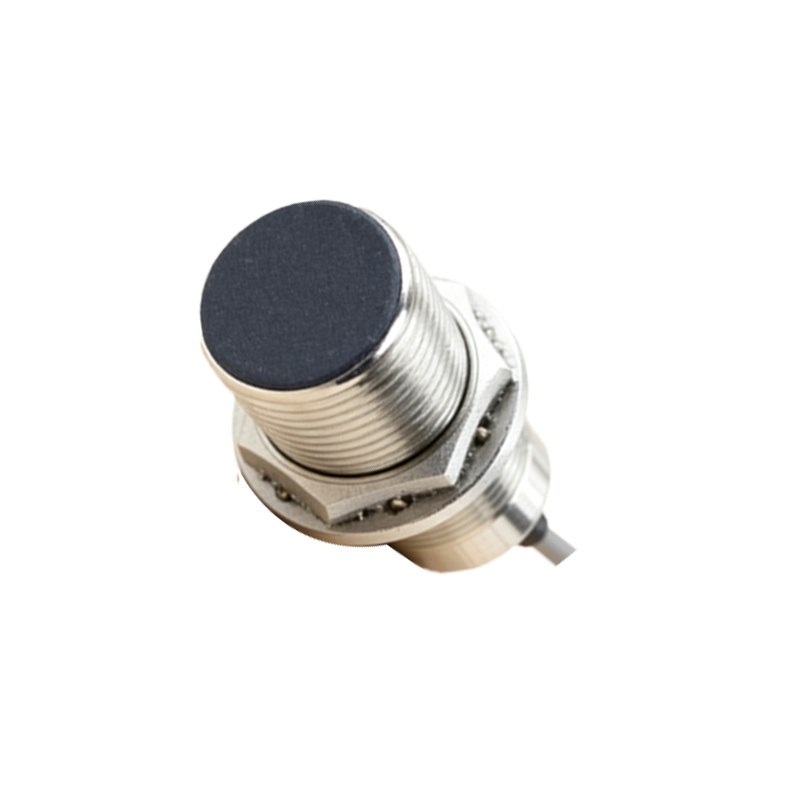
The selection of a 200mm proximity sensor hinges on several key parameters beyond just the sensing distance. First, the sensor type (inductive or capacitive) must match the target material. Second, the output configuration is critical: PNP (sourcing) or NPN (sinking) transistor outputs, or even analog (4-20mA, 0-10V) versions for distance-proportional measurement. Third, the housing material, typically nickel-plated brass, stainless steel, or PBT plastic, must withstand the industrial environment, including exposure to oils, coolants, and physical impact. Many 200mm sensors feature IP67 or IP69K ingress protection ratings, making them suitable for washdown areas in food & beverage or pharmaceutical industries.
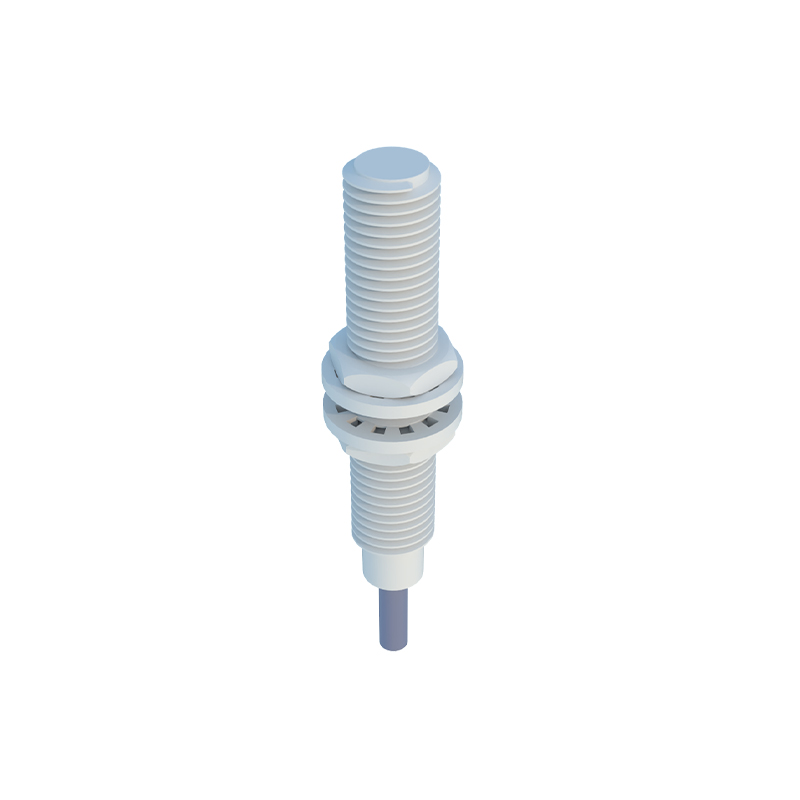
Electrical characteristics such as supply voltage (commonly 10-30V DC), switching frequency, and current rating must align with the control system's requirements. Furthermore, installation considerations are paramount. Many 200mm sensors are cylindrical in shape (e.g., M30 or larger threaded barrels) or rectangular. Proper mounting, ensuring no surrounding metal is within the sensor's "blind zone," is essential to guarantee the stated 200mm performance. Temperature range, typically from -25°C to +70°C, ensures reliable operation in most factory settings.
Application areas for 200mm proximity sensors are extensive. In material handling, they are perfect for detecting the presence of pallets, large containers, or AGVs (Automated Guided Vehicles) at a safe distance, allowing for timely control signals for conveyor routing or elevator positioning. In automotive assembly lines, these sensors monitor the position of vehicle bodies on overhead conveyors or detect large robotic end-effectors. In packaging machinery, they can sense the fill level in large silos or hoppers from the outside using capacitive models. The 200mm range offers a optimal balance: it provides a generous safety and reaction margin compared to shorter-range sensors, without the unnecessary cost and potential for interference that can come with very long-range sensors.
Maintenance and troubleshooting are straightforward. Regular checks should include verifying the mechanical alignment and cleanliness of the sensing face, as accumulated debris can diminish the effective range. Using a test target of the correct material and size, technicians can verify the actual switching point. Most modern 200mm sensors incorporate LED status indicators for power and switch state, aiding in rapid diagnostics.
In conclusion, the 200mm proximity switch sensor is a robust, reliable, and flexible tool in the automation engineer's arsenal. Its design caters to a sweet spot of range, reliability, and cost-effectiveness for numerous industrial sensing tasks. Understanding its principles, specifications, and application nuances is key to deploying it successfully, ensuring enhanced machine safety, precision, and operational efficiency in demanding industrial environments.