In the field of electrical engineering and automation, infrared (IR) proximity sensors are widely utilized for non-contact detection and distance measurement. These sensors operate by emitting infrared light and analyzing the reflected signal to determine the presence or proximity of objects. As professionals, it's essential to grasp the common abbreviations associated with these devices to facilitate clear communication and accurate documentation.
One of the most fundamental abbreviations is IR itself, standing for Infrared. This refers to the electromagnetic radiation with wavelengths longer than visible light but shorter than microwaves, typically ranging from 700 nm to 1 mm. IR sensors leverage this spectrum for sensing applications due to its ability to penetrate certain materials and its invisibility to the human eye.
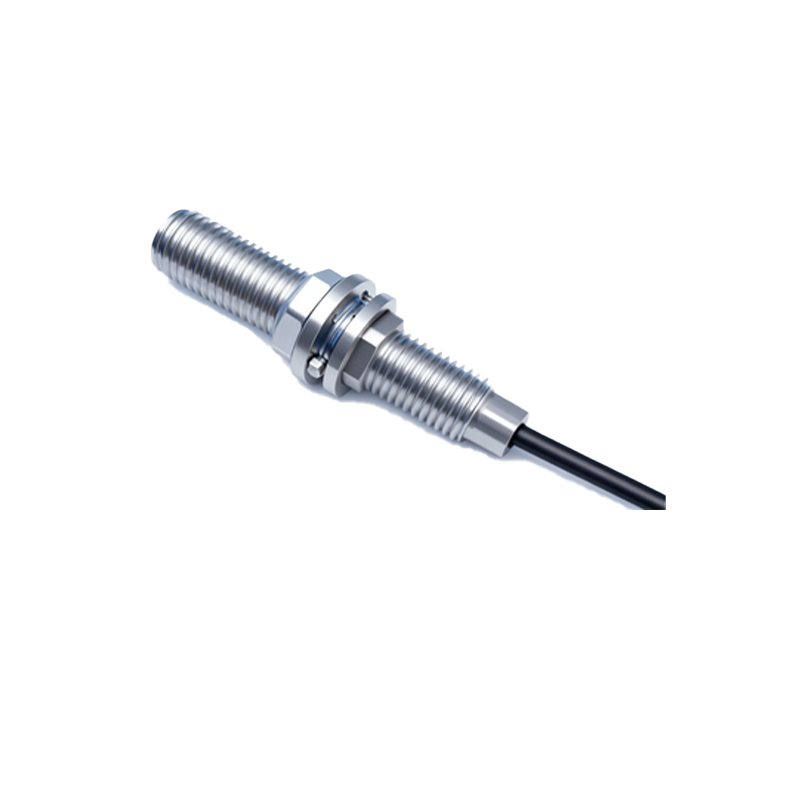
Another key abbreviation is PIR, which stands for Passive Infrared. Unlike active IR sensors that emit and detect infrared radiation, PIR sensors only detect infrared radiation emitted by objects, such as body heat. They are commonly used in motion detection systems for security lighting and occupancy sensing. PIR sensors are energy-efficient and ideal for applications requiring low power consumption.
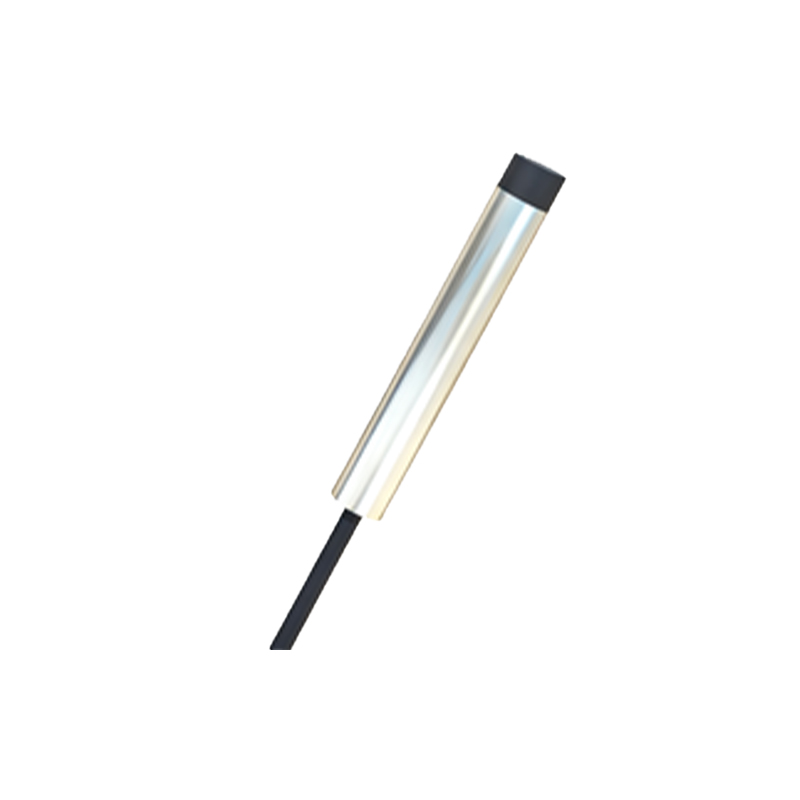
For active IR proximity sensors, TOF is a critical abbreviation, representing Time of Flight. TOF sensors measure the time it takes for an infrared pulse to travel from the emitter to the target and back to the receiver. This data is used to calculate distance with high precision. TOF technology is prevalent in robotics, automotive systems, and industrial automation for accurate object positioning.
In datasheets and technical specifications, you'll often encounter NPN and PNP abbreviations related to output types. These refer to the transistor configurations used in the sensor's output circuit. NPN sensors switch the negative side of the load, while PNP sensors switch the positive side. Understanding these is crucial for proper integration with control systems like PLCs (Programmable Logic Controllers).
Another important term is FOV, or Field of View. This describes the angular extent of the area that the sensor can effectively monitor. A wider FOV allows for broader detection but may reduce accuracy, while a narrower FOV offers more precise targeting. Engineers must consider FOV when designing systems to ensure optimal coverage and performance.
Additionally, SNR (Signal-to-Noise Ratio) is a vital abbreviation in sensor performance. It indicates the ratio of the desired signal to background noise, affecting the sensor's reliability and sensitivity. High SNR values are preferred for stable operation in noisy environments, such as factories with electrical interference.
For communication protocols, I2C (Inter-Integrated Circuit) and SPI (Serial Peripheral Interface) are common abbreviations found in digital IR sensors. These protocols enable data exchange between the sensor and microcontrollers, supporting features like configurable ranges and digital output. Familiarity with these interfaces is essential for embedded system design.
In industrial settings, IP ratings (Ingress Protection) are frequently referenced to denote the sensor's resistance to dust and water. For example, IP67 indicates complete protection against dust and temporary immersion in water. This ensures durability in harsh conditions, making IR sensors suitable for outdoor or washdown applications.
Lastly, terms like LED (Light Emitting Diode) for the infrared source and PD (Photodiode) for the receiver are basic yet important abbreviations. Advanced sensors may incorporate DSP (Digital Signal Processing) to enhance signal analysis and reduce false triggers.
Mastering these abbreviations not only streamlines professional discussions but also aids in selecting the right sensor for specific applications. Whether in consumer electronics, automotive safety, or industrial automation, a clear understanding of IR proximity sensor terminology enhances system design efficiency and reliability. As technology evolves, staying updated with new abbreviations and standards remains a key aspect of engineering practice.