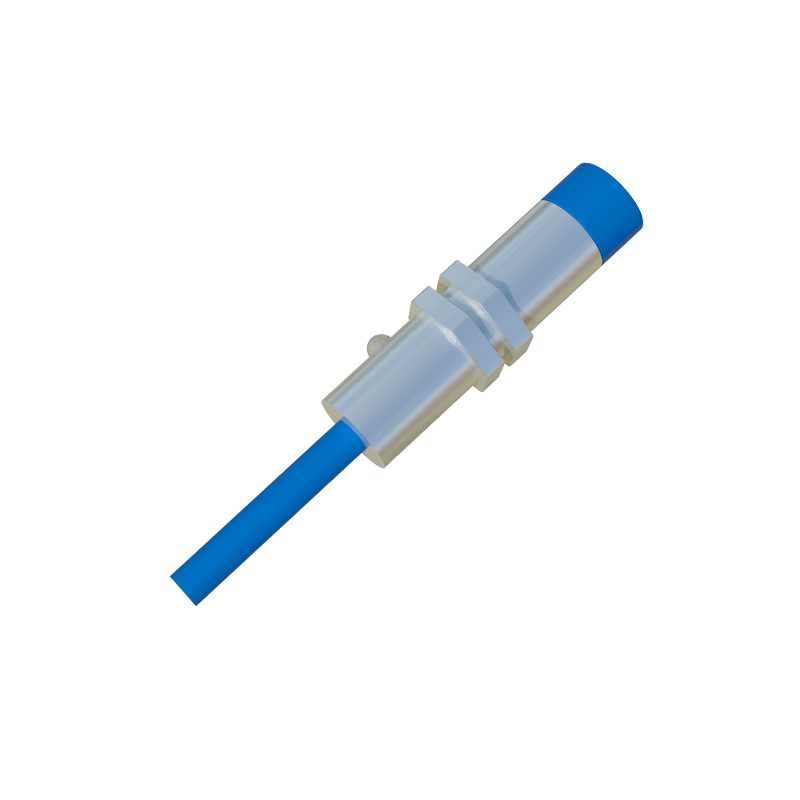
In the rapidly evolving landscape of electrical engineering, proximity and focus sensors have emerged as pivotal components, driving innovation across a multitude of industries. These sophisticated devices, which detect the presence, distance, or precise positioning of objects without physical contact, are integral to enhancing automation, safety, and efficiency. Proximity sensors, utilizing technologies such as inductive, capacitive, ultrasonic, and photoelectric principles, are adept at identifying metallic or non-metallic targets within specific ranges. Their applications are vast, spanning from industrial manufacturing—where they monitor assembly lines and prevent collisions—to consumer electronics, enabling features like automatic screen dimming in smartphones when held close to the ear. The core advantage lies in their reliability and durability, operating effectively in harsh environments with minimal maintenance, thus reducing downtime and operational costs.
Focus sensors, often integrated into imaging and optical systems, play a critical role in achieving sharp, clear visuals by precisely adjusting lens positions. Commonly based on infrared, laser, or contrast-detection methods, these sensors measure distance to ensure optimal focus, essential in fields like robotics, medical imaging, and automotive systems. For instance, in automated inspection systems, focus sensors guarantee high-resolution image capture for quality control, while in automotive applications, they contribute to advanced driver-assistance systems (ADAS) by enhancing camera-based functionalities. The synergy between proximity and focus sensing technologies enables more intelligent and responsive systems, fostering advancements in the Internet of Things (IoT) and smart infrastructure.
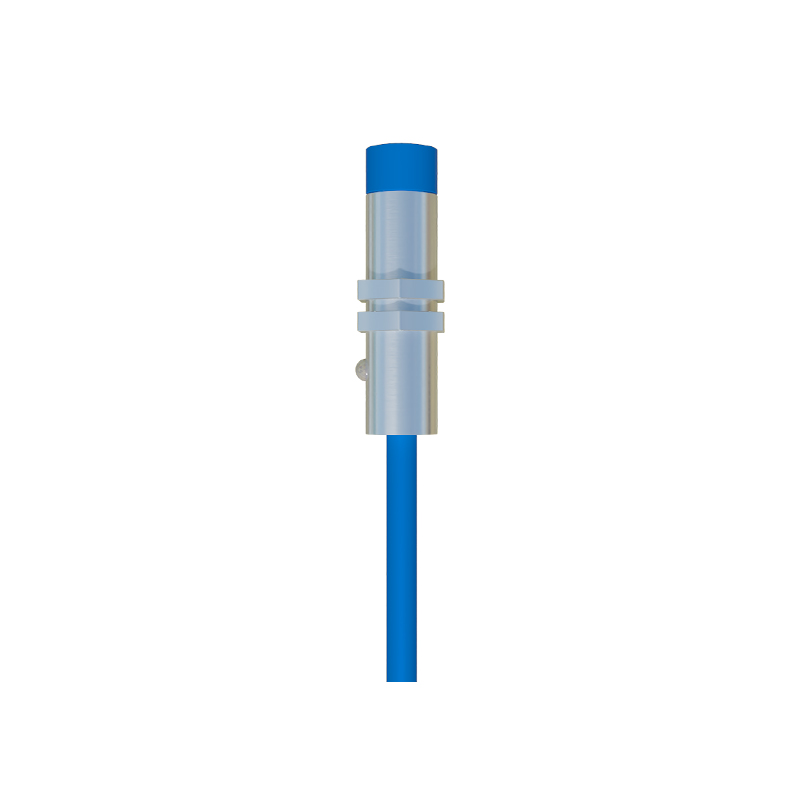
The operational principles of these sensors hinge on electromagnetic or acoustic wave interactions. Inductive proximity sensors generate an electromagnetic field to detect conductive metals, whereas capacitive variants sense changes in capacitance caused by any material, making them versatile for liquid or plastic detection. Ultrasonic sensors emit sound waves and calculate distance based on echo time, ideal for challenging conditions like dust or fog. Photoelectric sensors, using light beams, offer long-range detection and high precision. For focus applications, infrared sensors project a beam and measure its reflection to determine distance, commonly seen in autofocus cameras, while laser variants provide even greater accuracy for fine-tuning.
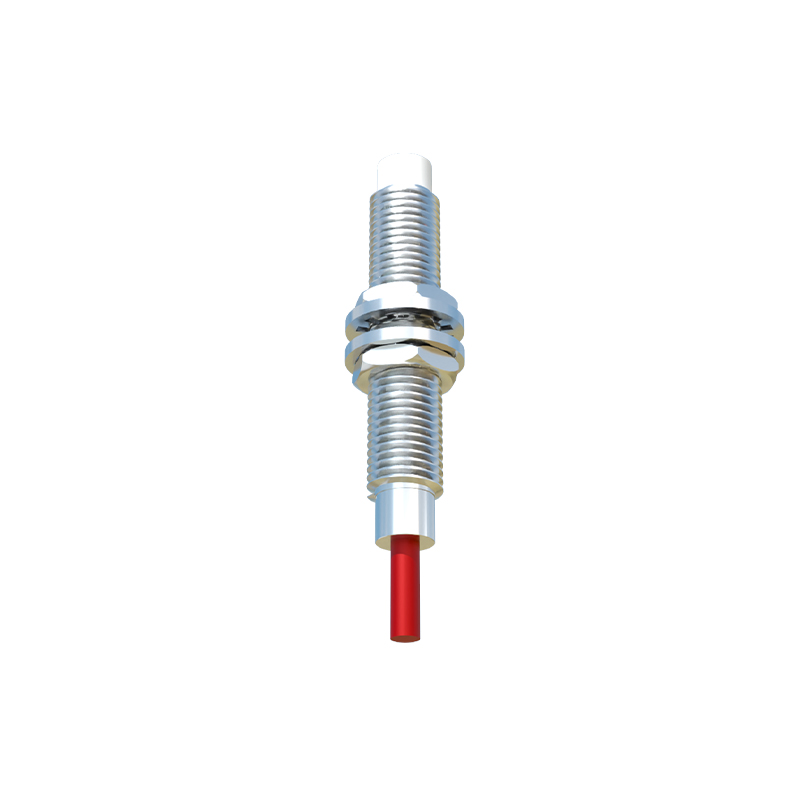
Designing and implementing these sensors requires meticulous attention to environmental factors, including temperature fluctuations, humidity, and electromagnetic interference. Engineers must select appropriate sensor types based on target material, required range, response time, and installation constraints. Calibration is paramount to ensure accuracy, with regular testing needed to maintain performance over time. Innovations in microelectronics and wireless connectivity have led to miniaturized, energy-efficient sensors with enhanced data-processing capabilities, facilitating their integration into compact devices and networked systems.
Looking ahead, the future of proximity and focus sensors is intertwined with trends like artificial intelligence and edge computing. AI algorithms can analyze sensor data in real-time, enabling predictive maintenance and adaptive control, while edge computing reduces latency by processing information locally. Challenges remain, such as improving sensitivity in dynamic environments and reducing power consumption for battery-operated devices. However, ongoing research in materials science and signal processing promises to yield more robust and cost-effective solutions. In summary, proximity and focus sensors are indispensable tools in modern electrical engineering, underpinning technological progress with their precision and versatility. As industries continue to automate and digitize, these sensors will undoubtedly play an even more crucial role in shaping efficient and intelligent systems.