Proximity sensors are indispensable components in modern industrial automation, robotics, and smart systems. They detect the presence or absence of objects within a specified range without physical contact, offering reliability, longevity, and high-speed operation. This article delves into the primary classifications of proximity sensors and elucidates their fundamental working principles, providing a comprehensive overview for engineers and technical professionals.
The most common categorization of proximity sensors is based on their underlying detection technology. The main types include inductive, capacitive, ultrasonic, photoelectric, and magnetic proximity sensors. Each type operates on distinct physical principles, making them suitable for specific applications and materials.
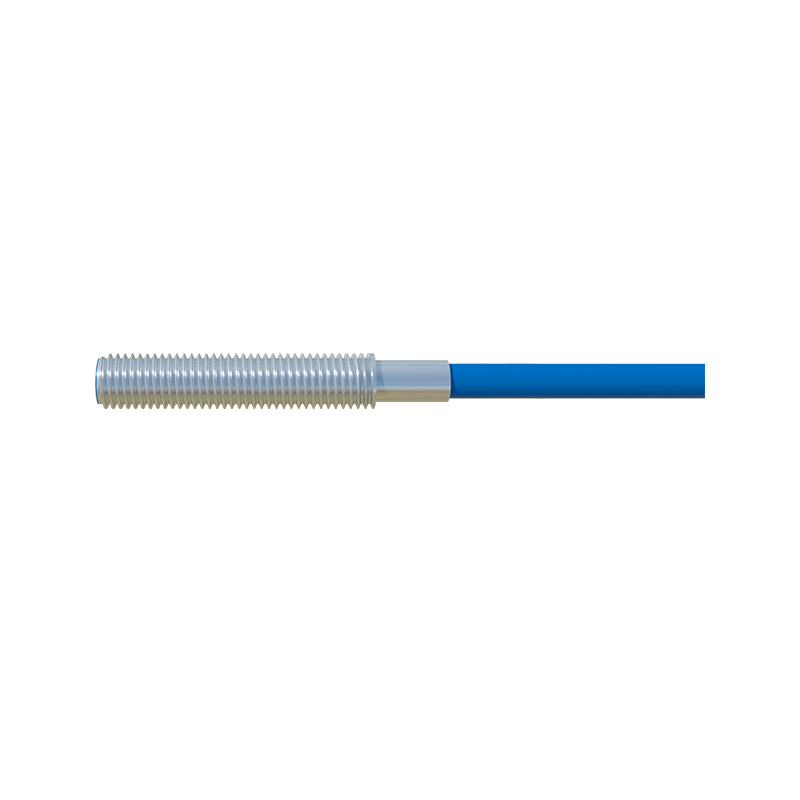
Inductive proximity sensors are widely used for detecting metallic objects, primarily ferrous metals like iron and steel. Their operation relies on the principle of electromagnetic induction. The sensor contains an oscillator circuit that generates a high-frequency electromagnetic field at its active face. When a metallic object enters this field, eddy currents are induced on the object's surface. These eddy currents draw energy from the oscillator, causing a reduction in the oscillation amplitude. This change is detected by a threshold circuit, which subsequently triggers a solid-state output switch (typically PNP or NPN). Inductive sensors are robust, resistant to environmental contaminants like dust and oil, and excel in harsh industrial environments. However, they are ineffective for non-metallic materials.
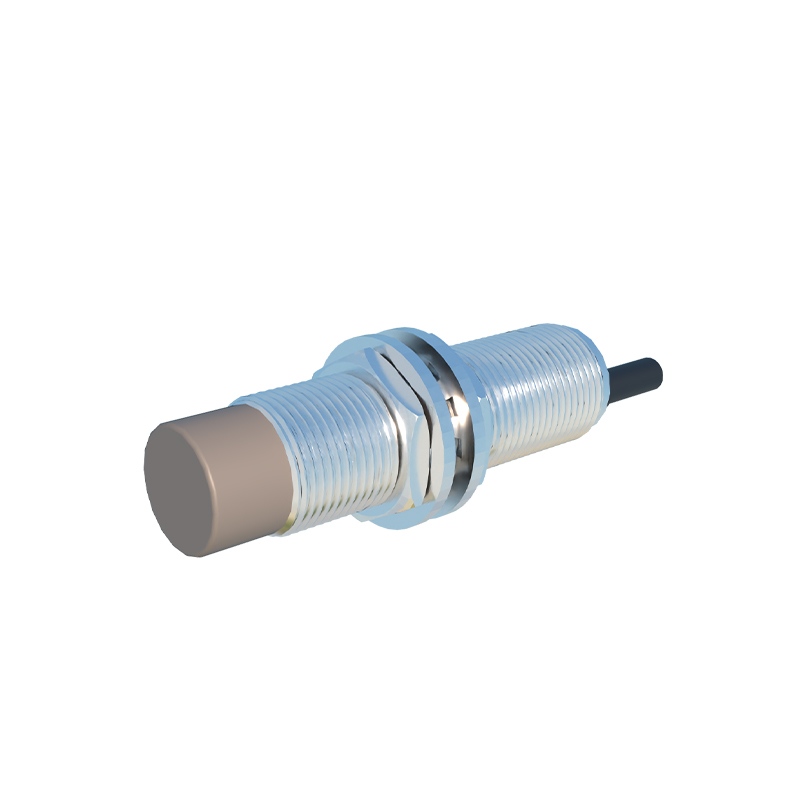
Capacitive proximity sensors, in contrast, can detect both metallic and non-metallic objects, including liquids, powders, plastics, and glass. They function by measuring changes in capacitance. The sensor's active face forms one plate of a capacitor, with the target object acting as the other plate, and the intervening space as the dielectric. An internal oscillator is tuned to a specific threshold. As an object approaches, the capacitance of the system increases, altering the oscillator's amplitude or frequency. Once this change surpasses a predefined threshold, the output state switches. Capacitive sensors are sensitive to material composition, density, and moisture content, making them versatile but sometimes requiring careful calibration to avoid false triggers from environmental humidity or unintended objects.
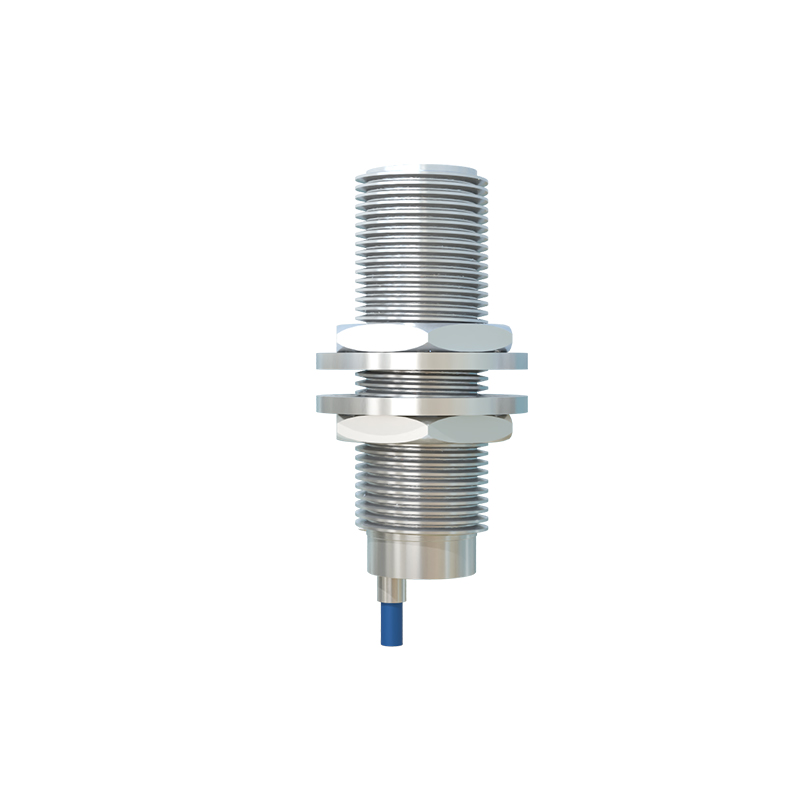
Ultrasonic proximity sensors utilize sound waves beyond the human hearing range (typically 20 kHz to several hundred kHz). They operate on the time-of-flight principle. The sensor emits a burst of ultrasonic pulses and then listens for the echo reflected from a target object. A built-in timer measures the delay between emission and reception. Since the speed of sound in air is known, the distance to the object can be calculated precisely. These sensors are excellent for detecting objects of virtually any material, provided the surface is sufficiently sound-reflective. They are used in level detection, distance measurement, and presence sensing in challenging conditions like fog or dust, though their performance can be affected by temperature variations and air turbulence.
Photoelectric sensors, another major category, use light beams to detect objects. They consist of a light emitter (usually an LED or laser diode) and a receiver. Three primary operating modes exist: through-beam, retro-reflective, and diffuse (proximity) mode. In the diffuse or proximity mode, which is most relevant here, the emitter and receiver are housed in the same unit. The sensor detects light reflected directly from the target object. When an object is present within the sensing range, it reflects the emitted light back to the receiver, triggering the output. Photoelectric sensors are highly versatile, capable of detecting small objects and operating over long ranges. Their effectiveness can be influenced by the object's color, reflectivity, and ambient light conditions.
Magnetic proximity sensors, often referred to as reed switches or Hall-effect sensors, are designed specifically to detect permanent magnets. Reed switches consist of two ferromagnetic reeds sealed in a glass tube. When a magnetic field of sufficient strength is applied, the reeds attract each other and make contact, closing an electrical circuit. Hall-effect sensors, which are solid-state devices, generate a voltage (the Hall voltage) proportional to the magnetic field strength when a current-carrying conductor is placed in a magnetic field. These sensors are extremely reliable for position sensing in cylinders, door/window sensors, and low-speed rotational sensing. They are immune to non-magnetic contaminants and offer very long operational life.
The selection of an appropriate proximity sensor depends on multiple factors: the material of the target object, required sensing distance, environmental conditions (temperature, presence of contaminants), required response speed, and electrical output type. Understanding the core principles behind each sensor type is crucial for optimal system design and troubleshooting. As Industry 4.0 and the Internet of Things (IoT) advance, proximity sensors continue to evolve with enhanced intelligence, miniaturization, and connectivity features, solidifying their role as the silent sentinels of automation.