Flush-mount M8 proximity sensors are widely utilized in industrial automation for their compact design and reliable non-contact detection capabilities. These sensors are typically embedded into mounting surfaces, allowing them to detect objects without protruding, which minimizes the risk of physical damage in harsh environments. The sensing distance, a critical parameter, refers to the maximum range at which the sensor can consistently detect a standard target. For flush-mount M8 inductive sensors, this distance is generally shorter compared to non-flush variants due to their shielded design, which focuses the electromagnetic field axially.
The standard sensing distance for most flush-mount M8 inductive proximity sensors ranges from 1 mm to 2 mm, depending on the specific model and manufacturer. This limited range is intentional, as it enhances noise immunity and reduces the likelihood of false triggers from nearby metallic objects. The sensing performance is influenced by factors such as the target material, size, and orientation. For instance, sensors are calibrated for mild steel, and using materials like aluminum or copper may require a reduction factor, effectively decreasing the operable distance. Temperature fluctuations, voltage variations, and external electromagnetic interference can also marginally affect the sensing distance, though high-quality sensors are designed to compensate for these conditions within specified limits.
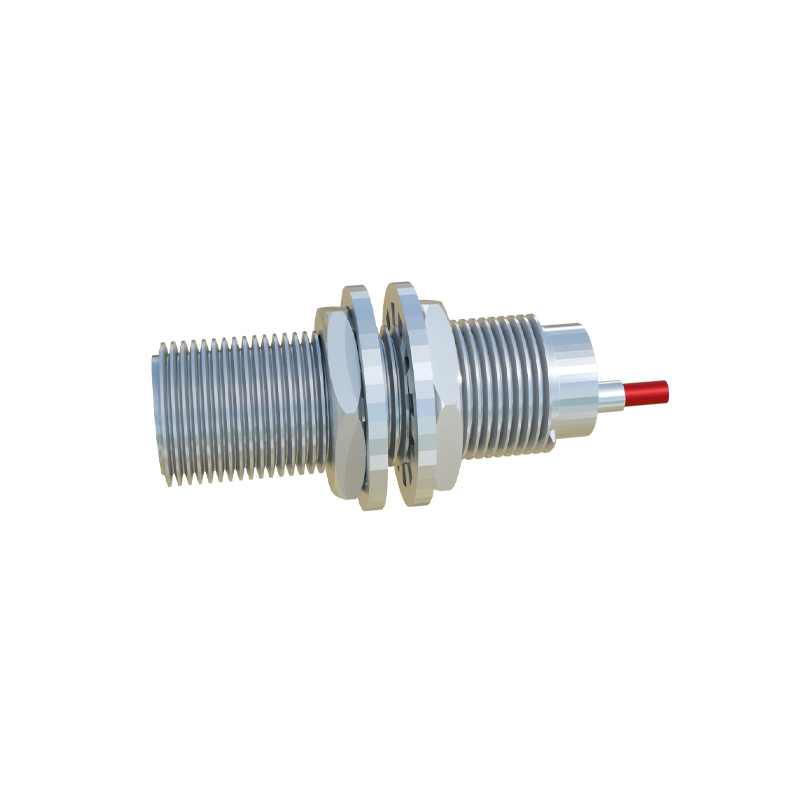
Installation plays a pivotal role in achieving optimal sensing distance. The sensor must be mounted flush in a non-ferromagnetic material to prevent shielding effects that could diminish range. Any gaps or misalignment can lead to inconsistent detection. Additionally, users should adhere to the manufacturer's guidelines regarding minimum distances between multiple sensors to avoid mutual interference. Regular maintenance, including cleaning the sensing face from contaminants like metal shavings or oil, ensures consistent performance over time.
In applications, flush-mount M8 sensors are ideal for space-constrained environments where precise positioning is required, such as in robotic arms, conveyor systems, or machine tools. Their short sensing distance provides high repeatability and accuracy, making them suitable for counting, positioning, or end-position detection tasks. When selecting a sensor, engineers must consider not only the nominal sensing distance but also safety margins and environmental factors to ensure reliable operation. Advanced models may feature adjustable sensitivity or built-in diagnostics to aid in fine-tuning and monitoring.
Overall, understanding the nuances of sensing distance in flush-mount M8 proximity sensors is essential for effective integration into automated systems. By considering design, installation, and operational factors, engineers can leverage these sensors to enhance efficiency and reliability in diverse industrial settings.