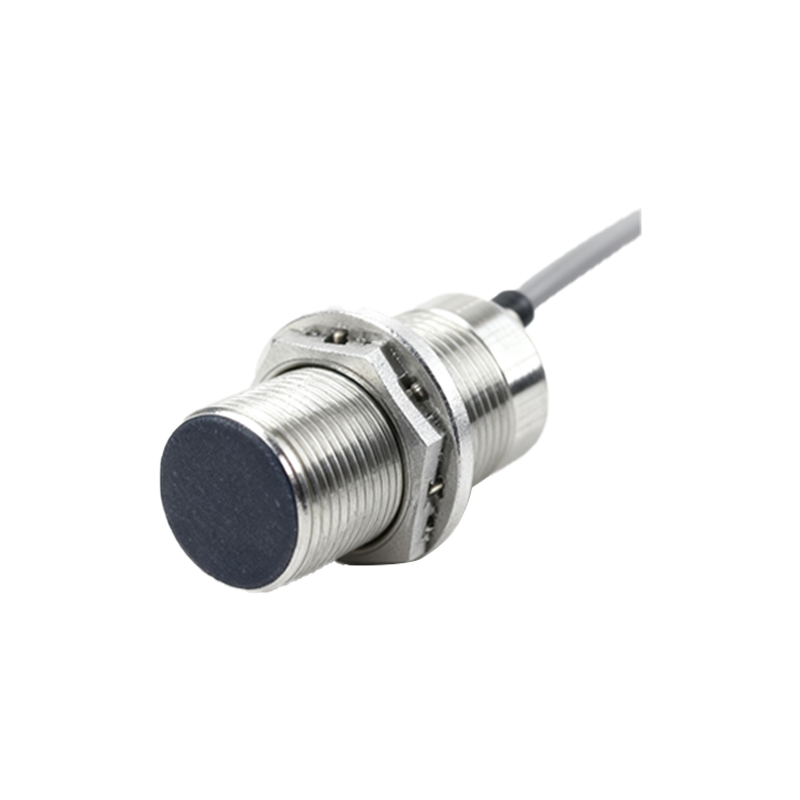
In the intricate world of industrial automation, where precision, safety, and efficiency are paramount, proximity sensors operate as the silent, vigilant sentinels. These devices, fundamental to modern manufacturing and control systems, detect the presence or absence of an object without any physical contact. Their operation hinges on the emission of an electromagnetic field or a beam of electromagnetic radiation, and the subsequent monitoring for changes in the field or return signal. The primary advantage is clear: non-contact sensing eliminates mechanical wear and tear, significantly enhancing reliability and longevity in harsh industrial environments.
The taxonomy of proximity sensors is primarily defined by their underlying technology. Inductive proximity sensors are the stalwarts for detecting metallic objects. They generate an oscillating electromagnetic field from a coil. When a ferrous or non-ferrous metal enters this field, it induces eddy currents, causing a change in oscillation amplitude. This change is detected by the sensor's circuitry, triggering an output signal. Renowned for their robustness, they are ubiquitous in metalworking, automotive assembly, and machine tooling. Capacitive proximity sensors, on the other hand, can detect both metallic and non-metallic materials—liquids, plastics, wood, and granular substances. They function by generating an electrostatic field. Any object with a dielectric constant different from air will alter the capacitance of the sensing face, prompting a switch in output. This makes them ideal for level detection in tanks, material handling, and packaging applications involving glass or plastic containers.
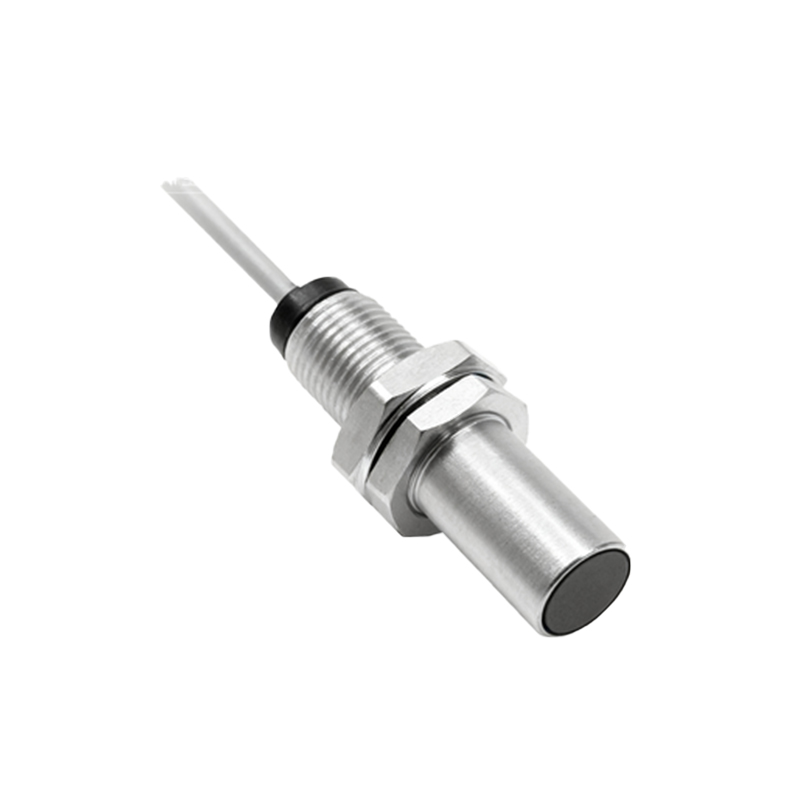
A third critical category is the photoelectric sensor, which uses light—typically infrared, visible red, or laser—to detect objects. These are further subdivided into through-beam, retro-reflective, and diffuse-reflective modes. Through-beam models, with separate emitter and receiver units, offer the longest sensing ranges and highest reliability. Diffuse sensors, where the emitter and receiver are housed together, detect light reflected directly from the target object, making them versatile for varied applications. Ultrasonic proximity sensors complete the core family, utilizing sound waves beyond human hearing. They measure the time interval between emitting a sonic pulse and receiving its echo, calculating distance with high accuracy. This technology excels in challenging conditions involving dust, fog, or target objects with complex surface properties, such as transparent glass or liquid levels.
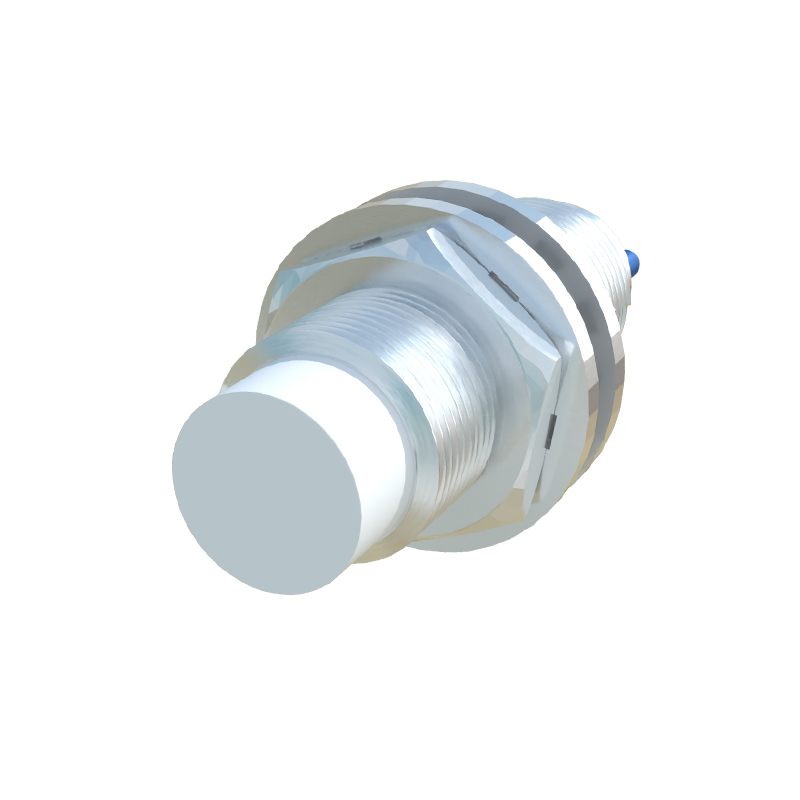
The selection of an appropriate proximity sensor is a critical engineering decision, contingent on several key parameters. Sensing range, defined as the maximum distance at which the sensor can reliably detect a standard target, is primary. Environmental factors are equally crucial; sensors must be rated with suitable Ingress Protection (IP) codes to withstand dust, moisture, and chemical exposure. Temperature ratings must align with operational extremes. Output configuration—be it NPN (sinking) or PNP (sourcing) transistor, NO (normally open) or NC (normally closed) contact—must interface correctly with the programmable logic controller (PLC) or other control hardware. Furthermore, factors like switching frequency (response speed), housing material (e.g., nickel-plated brass, stainless steel), and built-in diagnostics (like IO-Link capability) play vital roles in ensuring seamless integration and predictive maintenance.
Applications are as diverse as industry itself. On a high-speed bottling line, capacitive sensors verify the presence of liquid-filled plastic bottles, while inductive sensors confirm metal caps are securely fastened. In robotic welding cells, proximity sensors provide precise positional feedback for the manipulator arm. They serve as safety interlocks on machine guards, ensuring equipment halts if a door is opened. Within automated storage and retrieval systems (AS/RS), they provide accurate pallet positioning. The evolution continues with the advent of "smart" sensors featuring digital communication protocols like IO-Link, which enable detailed parameter setting, condition monitoring, and integration into Industrial Internet of Things (IIoT) frameworks, paving the way for data-driven optimization and Industry 4.0.
In conclusion, proximity sensors are far more than simple switches. They are sophisticated, application-specific components that form the essential sensory layer of automated systems. Their non-contact principle ensures durability, while advancements in technology expand their capabilities for increasingly complex tasks. For engineers and system integrators, a deep understanding of their operating principles, types, and selection criteria is indispensable for designing resilient, efficient, and intelligent automation solutions that drive modern industry forward.