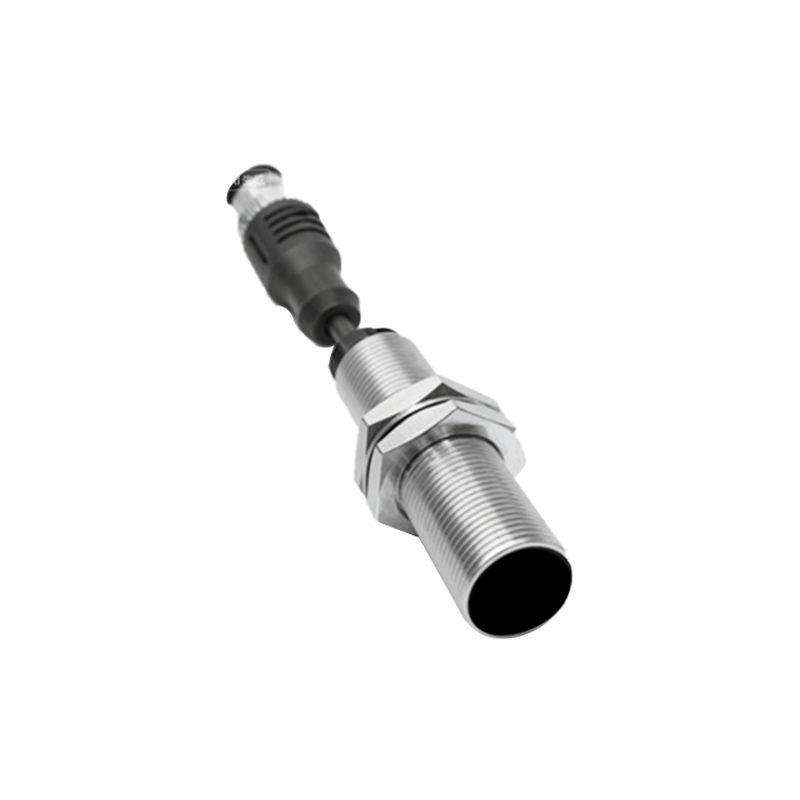
In industrial automation and process control, accurate liquid level detection within pipelines is critical for ensuring operational efficiency, safety, and system integrity. Proximity sensors have emerged as a reliable solution for this application, offering non-contact measurement capabilities that minimize maintenance and reduce the risk of contamination. This article delves into the principles, types, and implementation considerations of proximity sensors in pipeline liquid level monitoring.
Proximity sensors operate by detecting the presence or absence of a target object without physical contact. In pipeline liquid level detection, the sensor is typically mounted externally or internally to sense the liquid interface. The most common types used include inductive, capacitive, and ultrasonic proximity sensors. Inductive sensors are ideal for detecting metallic liquids or conductive materials, as they generate an electromagnetic field to sense changes when a conductive liquid approaches. Capacitive sensors, on the other hand, can detect both conductive and non-conductive liquids by measuring changes in capacitance caused by the liquid's dielectric properties. Ultrasonic sensors utilize sound waves to measure the distance to the liquid surface, making them suitable for various liquid types, including corrosive or high-temperature fluids.
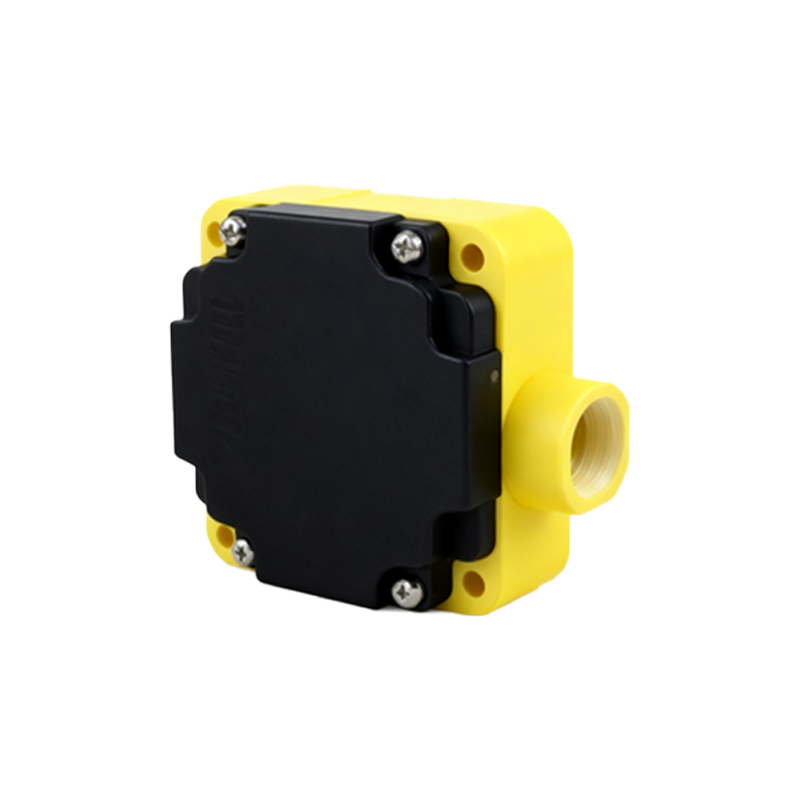
The selection of a proximity sensor for pipeline applications depends on several factors. First, the liquid's properties—such as conductivity, viscosity, and temperature—must be considered to ensure compatibility. For instance, in oil and gas pipelines, where fluids may be non-conductive, capacitive or ultrasonic sensors are often preferred. Second, pipeline material and installation constraints play a role; external mounting avoids direct contact with the liquid, reducing wear and corrosion, but may require sensors with higher sensitivity. Internal mounting provides more direct measurement but demands sensors resistant to harsh environments. Additionally, environmental conditions like pressure, humidity, and potential interference from other equipment must be evaluated to maintain accuracy.
Implementation of proximity sensors involves calibration and integration with control systems. Modern sensors often feature digital outputs (e.g., IO-Link, 4-20 mA signals) that interface seamlessly with PLCs (Programmable Logic Controllers) or SCADA (Supervisory Control and Data Acquisition) systems. This enables real-time monitoring, data logging, and automated responses, such as triggering alarms for high or low levels or controlling pump operations. Regular maintenance, including cleaning and recalibration, is essential to prevent false readings due to buildup or sensor drift.
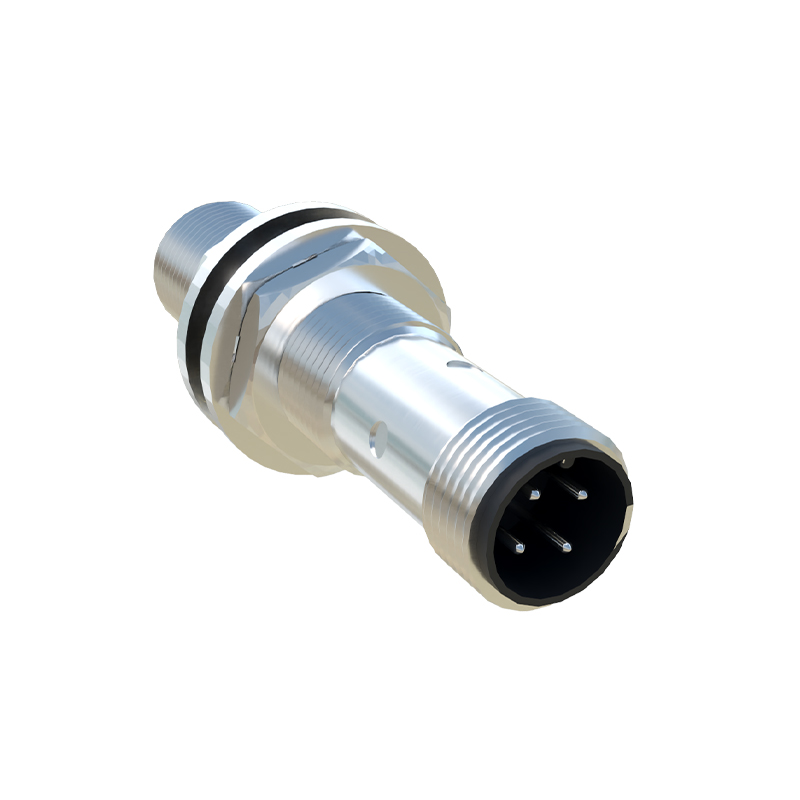
Advantages of using proximity sensors for pipeline liquid level detection include their durability, fast response times, and ability to operate in challenging conditions. They eliminate the need for moving parts, reducing mechanical failure risks. However, limitations exist, such as potential interference from foam, bubbles, or varying liquid densities, which may affect ultrasonic or capacitive sensor accuracy. To mitigate these issues, combining multiple sensor types or using advanced signal processing algorithms can enhance reliability.
In conclusion, proximity sensors offer a versatile and efficient method for liquid level detection in pipelines across industries like chemical processing, water treatment, and manufacturing. By understanding sensor technologies and application requirements, engineers can optimize system performance, ensuring safe and cost-effective operations. Future trends may involve smart sensors with IoT connectivity for predictive maintenance and enhanced data analytics.