In the realm of industrial automation and control systems, precise and reliable position sensing is paramount. Among the diverse array of sensing technologies available, electromagnetic proximity position sensors stand out for their robustness, non-contact operation, and versatility in challenging environments. This article delves into the operational principles, key characteristics, common applications, and critical selection criteria for these essential components.
At its core, an electromagnetic proximity sensor detects the presence or absence of a metallic target object without physical contact. The fundamental principle relies on electromagnetic induction. The sensor contains a coil that is part of an oscillator circuit. When an alternating current passes through this coil, it generates a high-frequency electromagnetic field around the active face of the sensor. When a conductive metal target enters this oscillating field, eddy currents are induced on the surface of the target. These eddy currents draw energy from the oscillator, causing a change in its amplitude or frequency. This change is detected by the sensor's evaluation circuit, which subsequently triggers a switching action—typically opening or closing a solid-state or relay output.
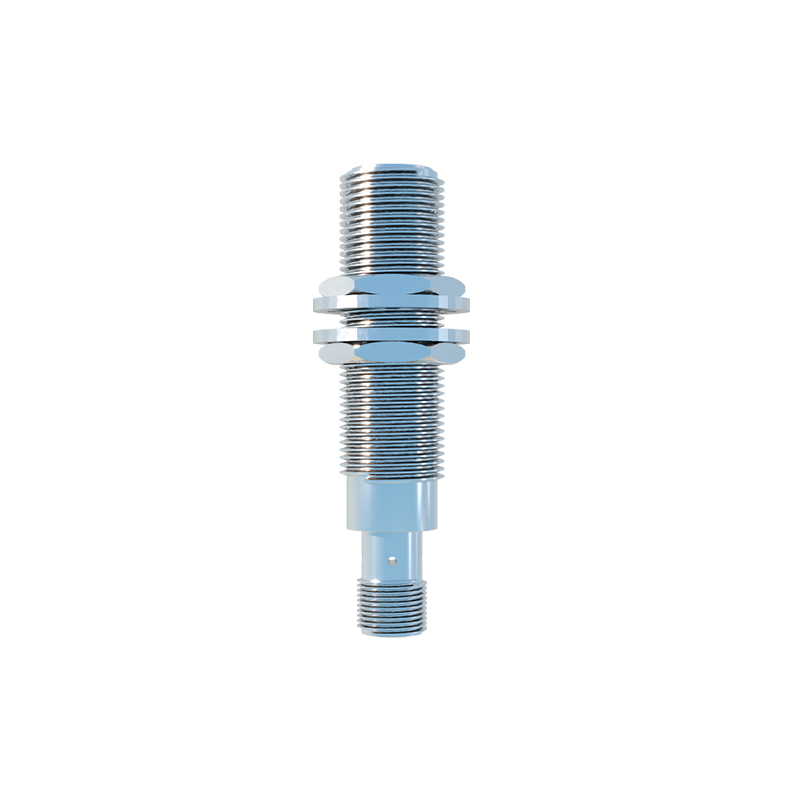
A key distinction from other proximity sensors, like capacitive or ultrasonic types, is the exclusive response to metallic objects. The sensing performance is significantly influenced by the target material's properties. Ferrous metals (like mild steel) generally yield the longest sensing distances due to their combined conductive and magnetic properties. Non-ferrous metals (like aluminum, brass, or copper) have good conductivity but weaker magnetic permeability, resulting in a reduced sensing range, often necessitating a correction factor (typically 0.3 to 0.5 of the nominal range for steel). Stainless steel presents a more complex case, as its austenitic grades (e.g., 304, 316) are essentially non-magnetic and have lower conductivity, further reducing the effective sensing distance.
Electromagnetic proximity sensors offer several compelling advantages. Their non-contact nature eliminates mechanical wear, ensuring a long operational life with minimal maintenance. They are inherently resistant to environmental contaminants such as dust, oil, coolant, and non-metallic debris, making them ideal for harsh industrial settings like machine tools, welding lines, and foundries. They can operate at high switching frequencies, suitable for counting or high-speed detection tasks. Furthermore, they are available in a vast range of form factors, including cylindrical threaded barrels, rectangular block styles, and ring or slot designs for specific applications like part verification or speed monitoring.
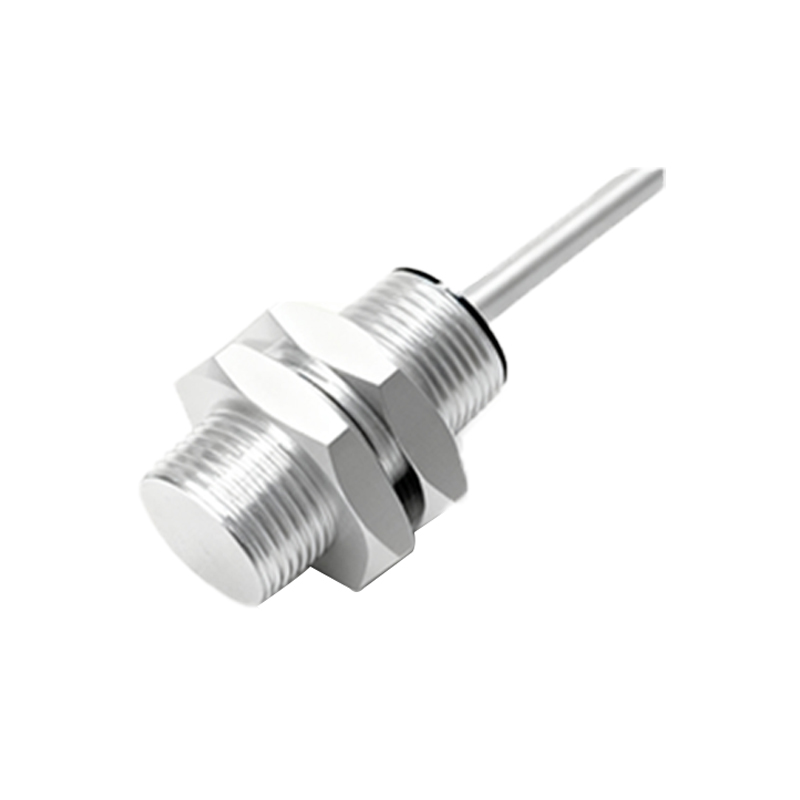
Common applications are widespread across manufacturing and process industries. They are used for end-position detection of cylinders and actuators, limit switching in automated machinery, part presence/absence verification on conveyor lines, rotary speed monitoring via gear teeth detection, and liquid level control using float magnets. In metalworking, they reliably detect metal parts regardless of surface conditions like dirt or coolant films. Specialized versions, such as analog output sensors, provide a continuous voltage or current signal proportional to the distance to the target, enabling precise positioning control rather than simple on/off switching.
Selecting the appropriate electromagnetic proximity sensor requires careful consideration of several parameters. The nominal sensing distance (Sn) is the theoretical range under standardized conditions with a defined target. The assured operating distance (Sa), typically 0.81 x Sn or 0.9 x Sn, is the range guaranteed for reliable operation considering voltage and temperature tolerances. The hysteresis is the difference between the switch-on and switch-off points, which prevents output chatter when a target is at the sensing edge. The sensor's housing material (e.g., nickel-plated brass, stainless steel) must be chosen based on the chemical and mechanical environment. Output configuration (PNP/NPN, NO/NC) must match the control system's input requirements. Shielded (flush-mountable) or unshielded (non-flush) designs offer different installation characteristics; shielded sensors can be mounted flush in metal without affecting their field, while unshielded types offer a longer sensing range but require non-metallic surroundings. Finally, environmental ratings like IP67, IP68, or IP69K for ingress protection, and temperature range specifications, are critical for ensuring long-term reliability.
In conclusion, electromagnetic proximity position sensors are a mature, reliable, and indispensable technology for industrial automation. Their ability to provide consistent, wear-free detection of metallic objects under demanding conditions makes them a cornerstone of modern control systems. A thorough understanding of their operating principles and a methodical approach to selection—factoring in target material, required sensing distance, environmental conditions, and electrical interface—will ensure optimal performance and system reliability in any application.