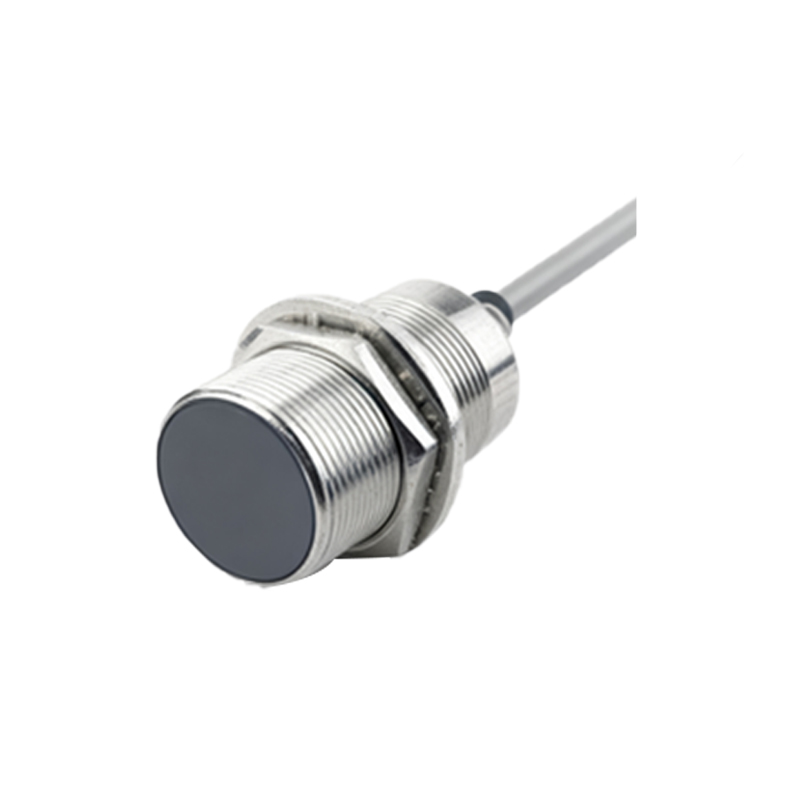
In the rapidly evolving landscape of industrial automation, green proximity sensors have emerged as a pivotal technology, driving efficiency, sustainability, and precision across diverse applications. These sensors, designed to detect the presence or absence of objects without physical contact, leverage advanced optical or inductive principles with a focus on environmental responsibility. Unlike traditional sensors, green proximity sensors are engineered to minimize energy consumption, reduce hazardous material usage, and enhance operational longevity, making them a cornerstone of modern smart factories and eco-conscious manufacturing processes.
The core functionality of green proximity sensors lies in their ability to emit a signal—often infrared or laser-based—and measure the reflection to determine object proximity. What sets them apart is their integration of energy-efficient components, such as low-power LEDs and optimized circuitry, which can cut power usage by up to 30% compared to conventional models. This reduction not only lowers operational costs but also aligns with global initiatives to curb carbon emissions in industrial settings. Additionally, many green sensors are constructed from recyclable materials and exclude toxic substances like lead or mercury, addressing end-of-life disposal concerns and supporting circular economy goals.
From an application standpoint, green proximity sensors excel in environments where reliability and sustainability intersect. In automotive assembly lines, for instance, they ensure precise part positioning while withstanding harsh conditions, all while consuming minimal energy. In packaging industries, these sensors facilitate accurate object detection for sorting and filling operations, reducing material waste and improving throughput. Moreover, their compatibility with IoT platforms enables real-time monitoring and predictive maintenance, further optimizing resource use and minimizing downtime. A case study from a European manufacturing plant revealed that switching to green proximity sensors led to a 25% drop in energy bills and a 15% increase in production efficiency over two years, underscoring their tangible benefits.
Despite their advantages, challenges persist in the adoption of green proximity sensors. Initial costs can be higher than standard sensors, though this is often offset by long-term savings and regulatory incentives. Technical limitations, such as reduced range in highly reflective or dusty environments, require careful calibration and integration. However, ongoing research in nanomaterials and adaptive algorithms is poised to enhance their performance, with prototypes showing improved sensitivity and durability. Industry experts predict that by 2030, green proximity sensors will dominate over 60% of the market, driven by stricter environmental regulations and the push for Industry 4.0 advancements.
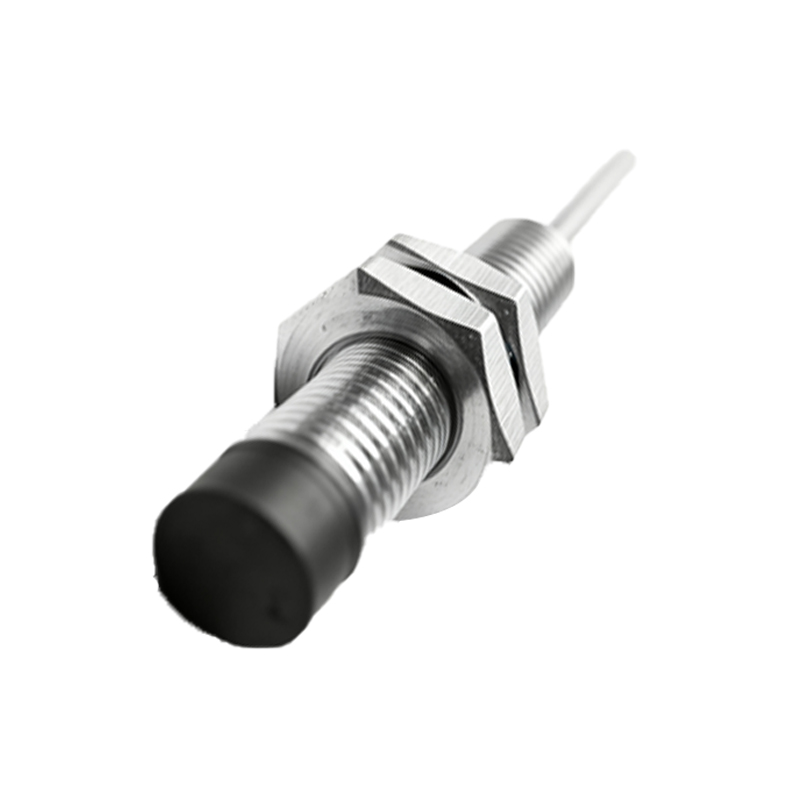
In conclusion, green proximity sensors represent more than just a technological upgrade—they embody a shift toward sustainable industrial practices. By combining precision detection with eco-friendly design, they offer a viable path for businesses to achieve operational excellence while reducing their ecological footprint. As automation continues to expand, investing in these sensors is not merely an option but a strategic imperative for forward-thinking engineers and enterprises aiming to thrive in a green economy.