In the realm of industrial automation and smart electronics, proximity sensors stand as pivotal components, enabling machines to perceive their environment without physical contact. Among these, miniature proximity sensors represent a significant leap in engineering, offering compact, efficient, and highly reliable sensing solutions. This article delves into the essence of these micro devices, exploring their principles, types, applications, and the technological advancements driving their evolution.
At its core, a proximity sensor is a device that detects the presence or absence of an object within a specified range, or measures the distance to that object, without any physical contact. Miniature versions of these sensors encapsulate this functionality into an extremely small form factor, often just a few millimeters in size. They operate on various physical principles, primarily electromagnetic, capacitive, or optical.
Inductive proximity sensors, the most common type in industrial settings, are designed to detect metallic objects. A miniature inductive sensor generates an oscillating electromagnetic field from its coil. When a metallic target enters this field, eddy currents are induced in the target, causing a change in the oscillation amplitude. This change is detected by the sensor's circuitry, triggering an output signal. Their robustness, speed, and immunity to environmental factors like dust or oil make them indispensable in factory automation.
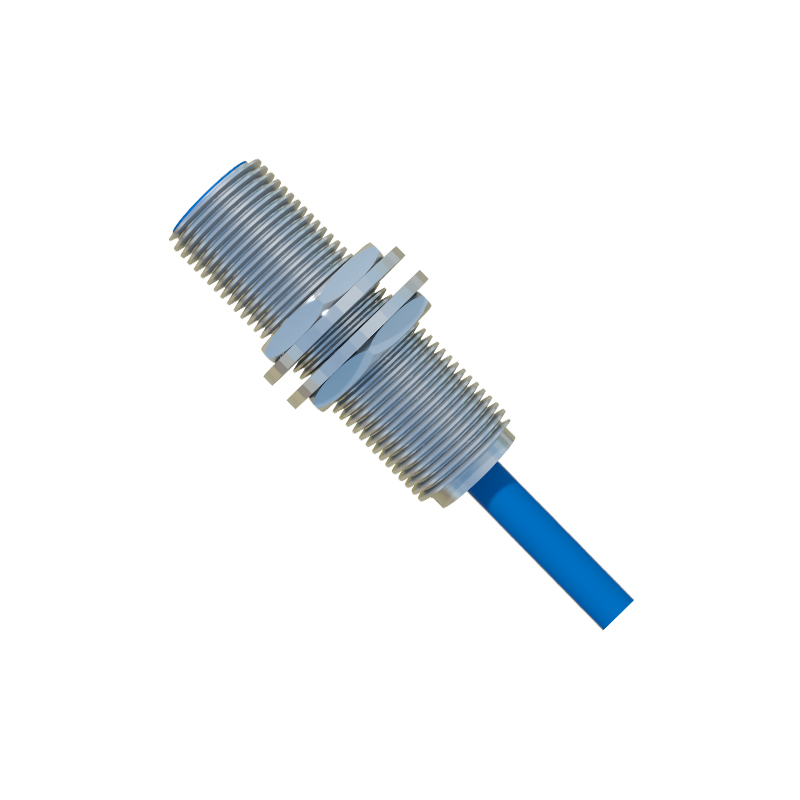
Capacitive proximity sensors, on the other hand, can detect both metallic and non-metallic materials, such as plastics, liquids, or granular substances. A miniature capacitive sensor functions by generating an electrostatic field. The presence of any object with a dielectric constant different from air alters the capacitance of the sensor's circuit. This minute change is measured to determine object presence. Their versatility allows for use in level detection, material handling, and touch-sensitive interfaces.
Optical proximity sensors, including miniature photoelectric sensors, use a light emitter (usually an LED or laser diode) and a photodetector. They detect objects by either the interruption of a light beam (through-beam), reflection from the target (retro-reflective), or reflection from the object itself (diffuse reflective). Miniaturized versions are crucial in consumer electronics, like smartphones for screen blanking during calls, and in precision assembly lines.
The drive toward miniaturization is fueled by several key demands. First, the trend for smaller, more integrated machinery and electronic devices necessitates components that occupy minimal space. Second, reduced power consumption is critical for battery-operated portable devices and energy-efficient systems. Third, high-speed response is essential for modern high-throughput manufacturing and robotics. Advances in microelectronics, surface-mount technology (SMT), and micro-electromechanical systems (MEMS) have been instrumental in shrinking sensor size while enhancing performance.
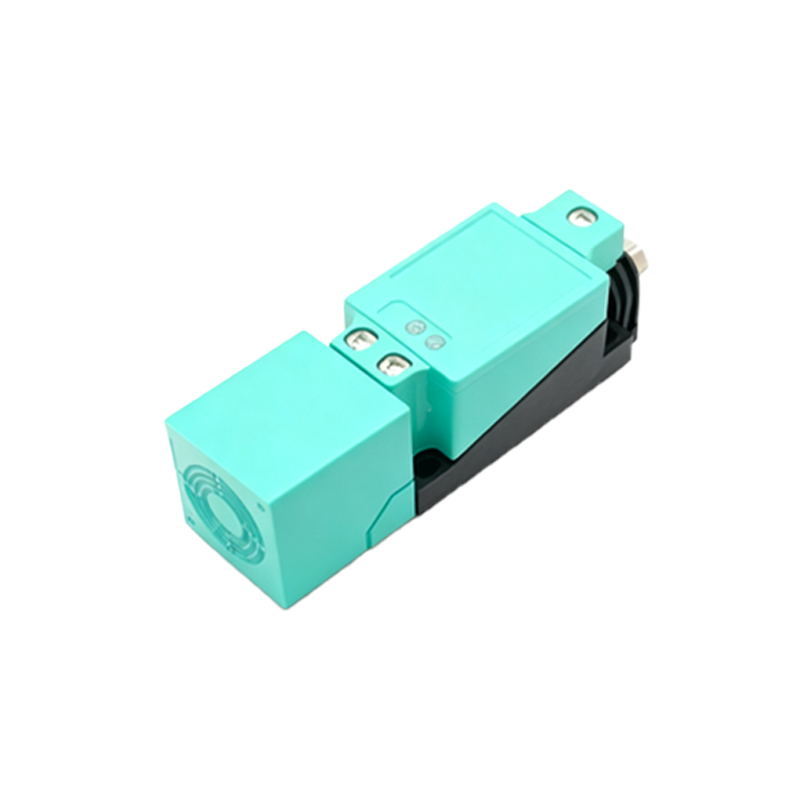
Applications for miniature proximity sensors are vast and growing. In industrial automation, they are used for precise positioning, part counting, jam detection, and end-of-travel sensing in compact robotic arms and linear actuators. In the automotive sector, they contribute to safety systems, gear position sensing, and smart interior features. Consumer electronics heavily rely on them for touchless gesture control, lid-open detection in laptops, and proximity sensing in IoT devices. The medical field utilizes them in miniature diagnostic equipment and surgical tools for non-contact detection.
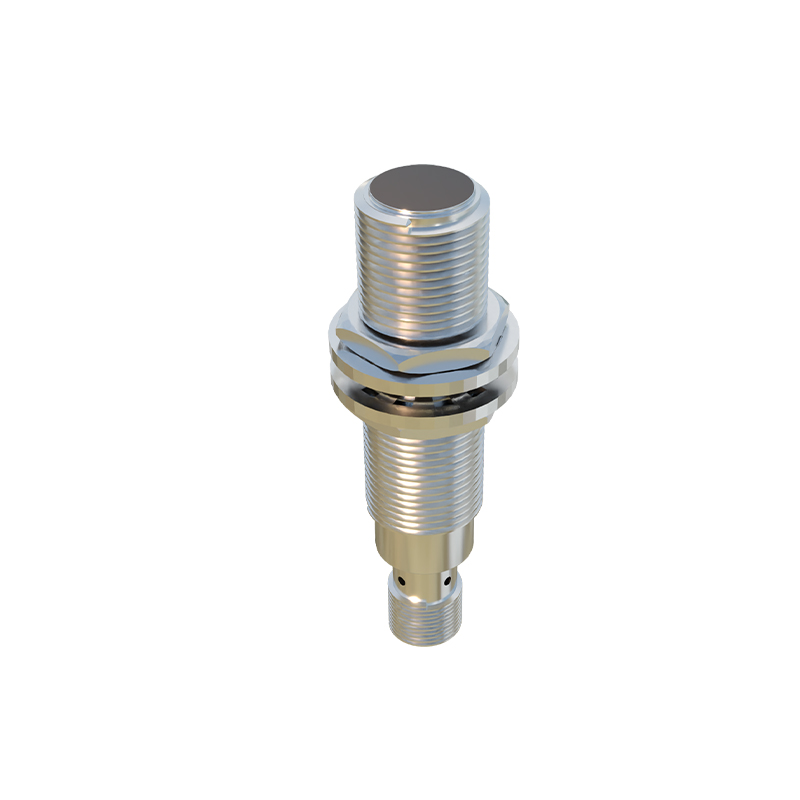
Selecting the right miniature proximity sensor requires careful consideration of several parameters: sensing range, which is typically very short (from 1mm to 20mm) for micro sensors; target material and size; output type (digital PNP/NPN or analog); supply voltage; and environmental conditions like temperature, humidity, and potential exposure to chemicals. Housing materials, often stainless steel or PBT plastic, are chosen for durability and IP rating compliance.
Future trends point toward even greater integration and intelligence. Smart sensors with built-in IO-Link or other industrial communication protocols are becoming standard, allowing for parameter configuration, diagnostics, and data exchange directly from the sensor. The fusion of sensing with wireless technology enables the deployment of sensor networks in previously inaccessible areas. Furthermore, the development of ultra-miniature sensors using nanotechnology promises to open new frontiers in micro-robotics and biomedical implants.
In conclusion, miniature proximity sensors are far more than just small versions of their larger counterparts. They are sophisticated micro-devices that embody precision engineering, enabling the silent, contactless intelligence at the heart of modern automated systems. As technology continues to advance, their role in making machines more perceptive, efficient, and compact will only become more profound, solidifying their status as essential enablers of innovation across countless industries.