In the industrial automation and control systems sector, magnetic proximity sensors have become indispensable components due to their non-contact detection capabilities, durability, and reliability. As an electrical engineer with years of experience in sensor technology and procurement, I aim to provide a comprehensive analysis of the factory pricing for magnetic proximity sensors, along with key factors influencing costs and current market trends.
Magnetic proximity sensors operate by detecting the presence or absence of a magnetic field, typically generated by a permanent magnet. They are widely used in applications such as position sensing, limit switching, and speed detection across industries including automotive, manufacturing, packaging, and robotics. The factory price of these sensors is determined by a multitude of factors, ranging from technical specifications to supply chain dynamics.
One of the primary determinants of factory pricing is the sensor's technology type. Basic inductive magnetic sensors with standard sensing ranges (e.g., 5mm to 15mm) are generally more affordable, with prices starting as low as $8 to $15 per unit in bulk orders. However, advanced models featuring extended sensing distances (up to 40mm), high-temperature resistance (exceeding 100°C), or specialized housing materials (such as stainless steel or PBT plastic) can command prices between $20 and $50 per unit. Additionally, sensors with integrated diagnostics, IO-Link communication, or explosion-proof certifications (ATEX, IECEx) often see a premium of 30% to 60% above base prices due to added engineering and compliance costs.
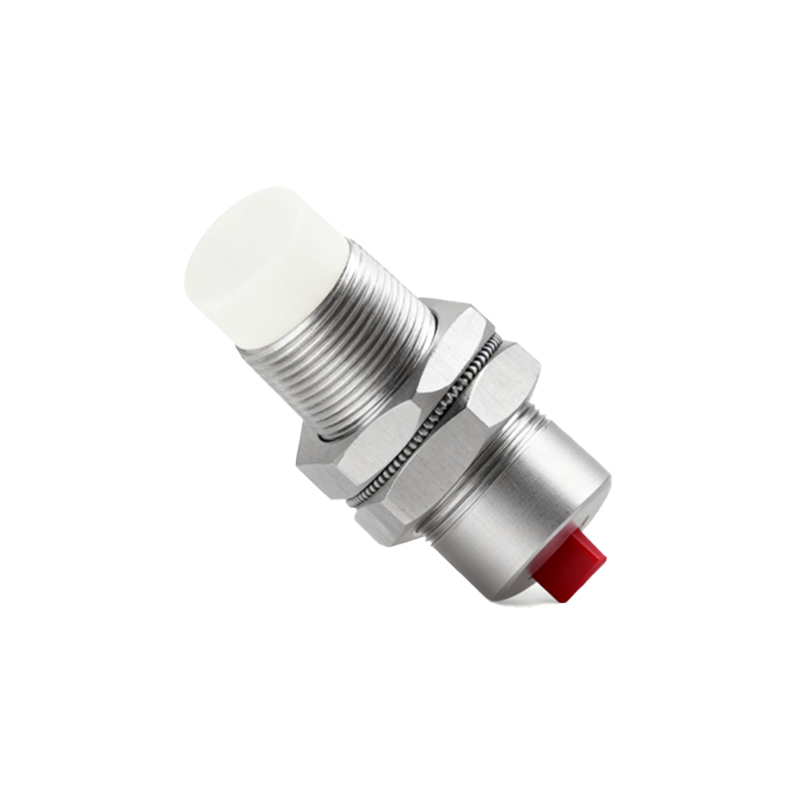
Manufacturing volume plays a critical role in pricing. For large-scale OEM contracts involving thousands of units, factories may offer discounts of 20% to 40% compared to small-batch purchases. This economies-of-scale effect is particularly evident in automotive and consumer electronics supply chains, where sensors are produced in millions annually. Conversely, custom-designed sensors for niche applications—such as those requiring specific form factors, voltage ranges (e.g., 10-30V DC or 90-250V AC), or output types (PNP/NPN, analog, or relay)—incur higher per-unit costs due to limited production runs and R&D investments.
Geographical factors also influence factory prices. Sensors manufactured in regions with lower labor and operational costs, such as Southeast Asia or Eastern Europe, may be priced 15% to 25% lower than equivalent products from Western Europe or North America. However, this cost advantage must be balanced against logistics expenses, import tariffs, and potential quality variability. In recent years, factories in China and India have emerged as major suppliers, offering competitive pricing while adhering to international standards like ISO 9001 and IEC 60947-5-2.
Raw material costs, particularly for ferrite or rare-earth magnets (e.g., neodymium), copper wiring, and semiconductor components, directly impact sensor pricing. Fluctuations in commodity markets—driven by supply chain disruptions, trade policies, or environmental regulations—can lead to price volatility. For instance, the global chip shortage of 2021-2023 increased microcontroller and transistor costs, raising sensor prices by approximately 10% to 15% across the industry. Factories often adjust prices quarterly or annually to reflect these changes, emphasizing the importance of long-term supply agreements for cost stability.
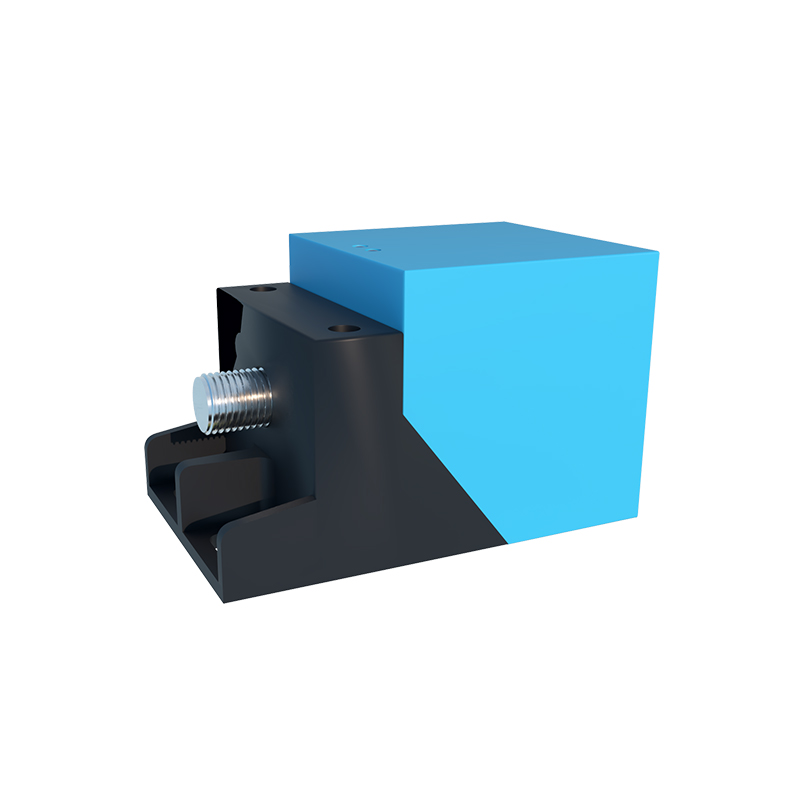
Current market trends indicate a growing demand for smart sensors with Industry 4.0 compatibility. Factories are increasingly integrating IoT features, such as wireless connectivity and predictive maintenance capabilities, into magnetic proximity sensors. While these advanced models currently carry a premium (often 50% higher than standard versions), mass adoption and technological maturation are expected to reduce prices over the next five years. Additionally, sustainability initiatives are pushing factories to adopt eco-friendly materials and energy-efficient processes, which may initially raise costs but could lead to long-term savings through regulatory incentives.
When evaluating factory prices, engineers and procurement specialists should consider total cost of ownership (TCO) rather than just unit price. Factors like sensor lifespan (typically 10-20 million operations), maintenance requirements, and compatibility with existing control systems (e.g., PLCs from Siemens, Allen-Bradley, or Omron) significantly impact overall value. For example, a higher-priced sensor with a mean time between failures (MTBF) of 100,000 hours may prove more economical than a cheaper alternative requiring frequent replacements.
In conclusion, the factory price of magnetic proximity sensors is a complex interplay of technology, volume, geography, materials, and market forces. While standard sensors remain cost-effective for routine applications, investing in advanced or customized solutions can enhance system performance and reliability. As automation continues to evolve, staying informed about pricing trends and supplier landscapes will be crucial for making informed procurement decisions in the electrical engineering field.