In the rapidly evolving landscape of industrial automation, the demand for high-precision, reliable sensing solutions has never been greater. Among the forefront technologies meeting this demand are laser sensors, with the LAS series standing out as a benchmark for accuracy and durability. This article delves into the technical specifications, operational principles, and diverse applications of the LAS series laser sensors, providing insights for engineers and industry professionals seeking to optimize their systems.
The LAS series laser sensors utilize advanced time-of-flight (ToF) or triangulation measurement principles, depending on the specific model, to deliver non-contact distance and position sensing with micron-level precision. These sensors emit a focused laser beam—typically in the visible red or infrared spectrum—toward a target object. By analyzing the reflected light, the sensor calculates parameters such as distance, height, or thickness with exceptional speed and consistency. Key features include high sampling rates, often exceeding 10 kHz, and robust housings rated for IP67 or higher, ensuring reliable performance in harsh environments characterized by dust, moisture, or temperature fluctuations from -25°C to 70°C.
One of the defining advantages of the LAS series is its versatility. Models are available for various measurement ranges, from short-range precision tasks (e.g., 2 mm to 50 mm) to long-range applications (up to several meters). This flexibility makes them suitable for numerous industries. In automotive manufacturing, LAS sensors are employed for gap and flush measurement on vehicle assemblies, ensuring quality control. In electronics, they facilitate precise component placement and solder paste inspection. Logistics and packaging benefit from their ability to detect object presence, count items, or measure dimensions on high-speed conveyor belts. Furthermore, in robotics, these sensors provide critical feedback for navigation and object manipulation, enhancing automation efficiency.
Integration is streamlined through multiple output options, including analog (4-20 mA, 0-10 V), digital (PNP/NPN), and serial interfaces (RS-232, RS-485, or Ethernet/IP). Many models also feature intuitive teach-in functions, allowing for quick configuration via push-button or software interfaces. This user-friendly design reduces setup time and minimizes errors. Additionally, built-in diagnostics and status indicators help in proactive maintenance, reducing downtime.
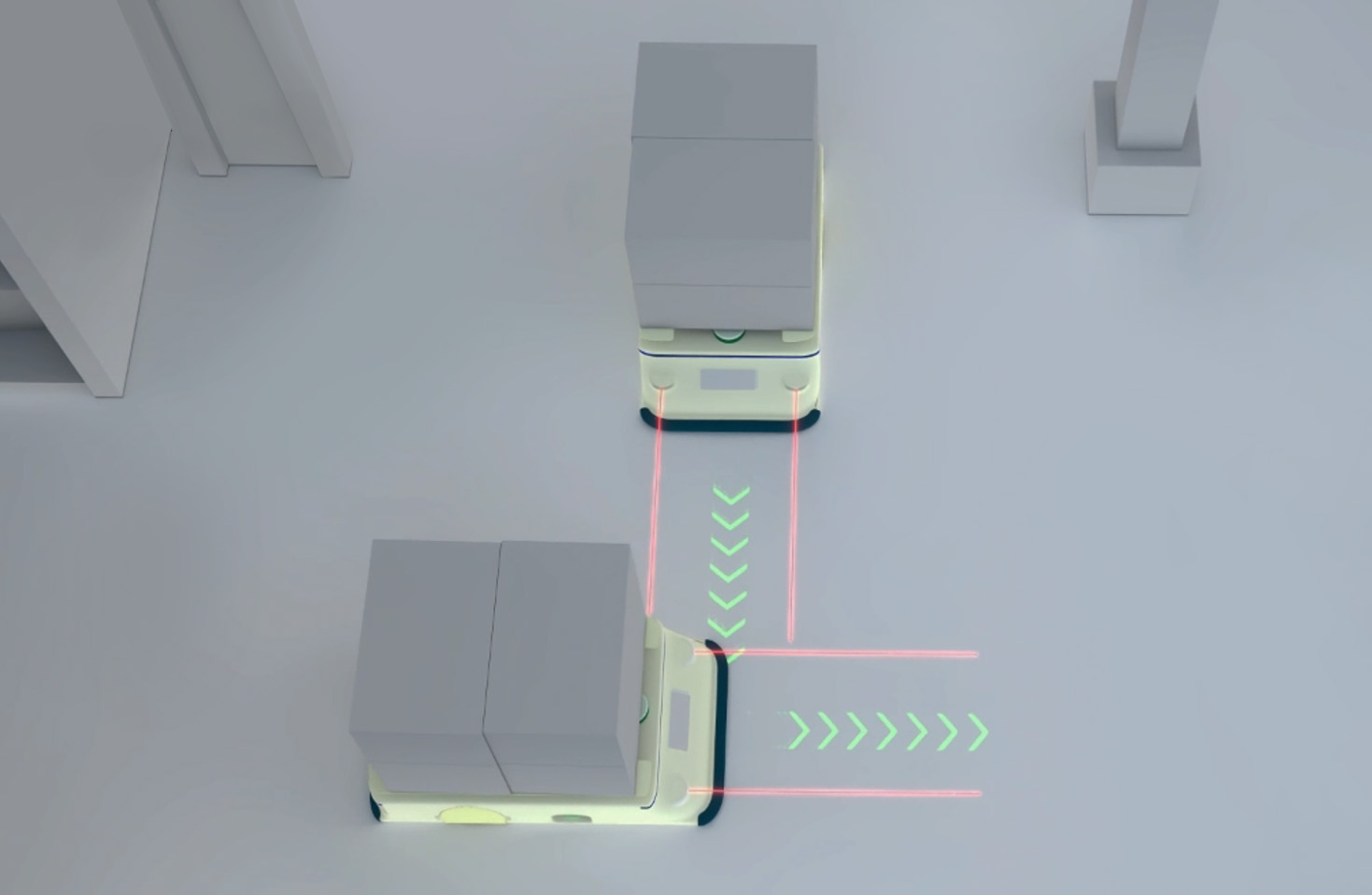
When selecting a LAS series sensor, engineers must consider factors such as target material, surface color, and environmental conditions. For instance, dark or absorbent surfaces may require sensors with higher laser power or specialized algorithms to maintain accuracy. The series often includes models with background suppression or foreground suppression capabilities to ignore irrelevant objects, enhancing measurement reliability in complex setups.
In conclusion, the LAS series laser sensors represent a fusion of precision engineering and practical design, addressing the core needs of modern industrial automation. Their ability to provide accurate, non-contact measurements across diverse applications makes them an indispensable tool for improving productivity, quality, and safety. As industries continue to advance toward smarter, more connected systems, the role of reliable sensing technologies like the LAS series will only grow in importance, driving innovation and operational excellence.
