In the dynamic landscape of industrial automation, the reliability and precision of sensing technology are non-negotiable. Among the leaders in this field, Turck Sensors stands out, particularly for its comprehensive range of proximity switches. These devices are the silent sentinels of modern manufacturing, enabling non-contact detection of metallic and non-metallic objects, ensuring seamless process control, and safeguarding both machinery and personnel. This guide delves into the engineering excellence of Turck proximity switches, exploring their principles, variants, and critical applications.
At its core, a proximity switch is a sensor that detects the presence or absence of an object without physical contact. Turck's portfolio leverages several key technologies, primarily inductive, capacitive, and magnetic sensing principles. Inductive sensors, the most common in industrial settings, generate an electromagnetic field. When a metallic object enters this field, it induces eddy currents, causing a change in the oscillator's amplitude. This change is detected and converted into a solid-state output signal. Turck's inductive sensors are renowned for their exceptional switching distances, immunity to environmental contaminants like dust and oil, and robust housing designs (often in stainless steel or PBT) that meet IP67 and IP69K protection ratings.
For non-metallic materials such as wood, plastic, glass, or liquids, Turck offers advanced capacitive proximity switches. These sensors function by detecting changes in the capacitance between the sensor's active surface and the target object. They are indispensable in packaging, food and beverage, and chemical processing industries. Furthermore, for applications requiring detection through non-ferrous barriers or in extreme environments, Turck's magnetic sensors (reed or Hall-effect based) provide reliable solutions, often used for cylinder position sensing or in hazardous areas.
The engineering superiority of Turck proximity switches is evident in their design features. Many models incorporate patented technologies like Q-Pulse for improved noise immunity and constant switching distance regardless of supply voltage fluctuations. The Factor 1 metal-face inductive sensors allow for flush mounting in metal without a reduction in sensing range, a significant advantage in space-constrained installations. Connectivity is another forte; Turck pioneered and continues to lead in quick-disconnect M8, M12, and M18 connectors, drastically reducing installation and maintenance downtime. The integration of IO-Link communication in many models transforms simple switches into intelligent devices, enabling parameter setting, process monitoring, and diagnostic data readout directly onto the control system.
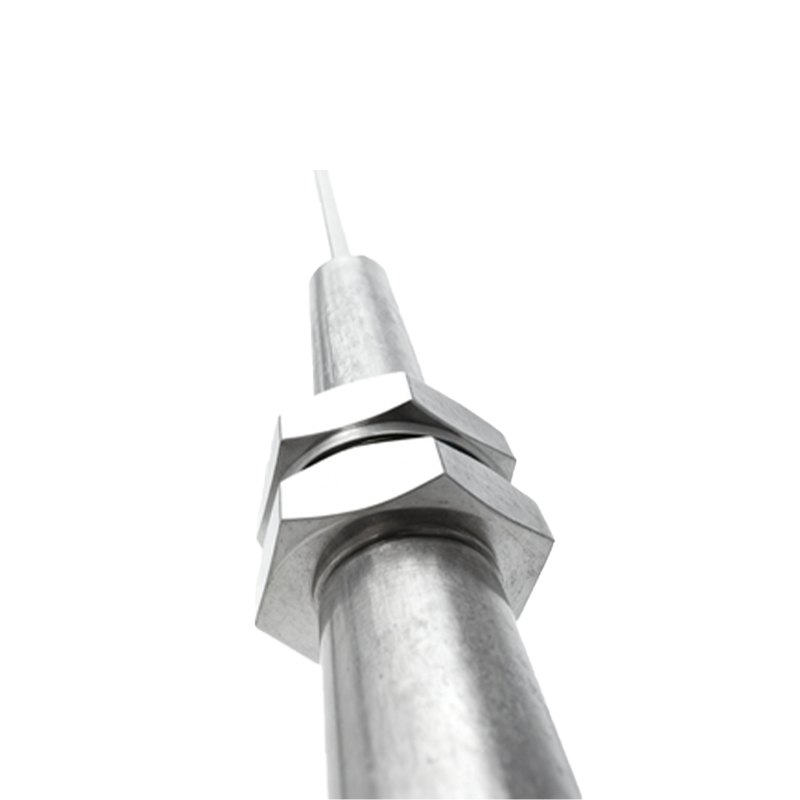
Selecting the right Turck proximity switch requires a meticulous analysis of the application parameters. Key considerations include the target material, required sensing distance (nominal versus effective), output type (PNP/NPN, NO/NC, analog, or IO-Link), electrical specifications (voltage range, current load), and environmental conditions (temperature, pressure, exposure to chemicals or washdowns). For instance, a stainless-steel, inductive sensor with a 15mm sensing range and PNP output might be specified for detecting steel pistons in an automotive welding line, while a capacitive sensor with analog output could be chosen for monitoring fill levels in a plastic tank.
Applications span virtually every industrial sector. In automotive assembly, they ensure robotic grippers have picked up a component. On packaging lines, they count bottles or verify cap placement. In material handling, they detect pallet positions on conveyors. In heavy machinery, they serve as limit switches for moving parts. Their robustness makes them suitable for harsh environments found in mining, agriculture, and offshore platforms.
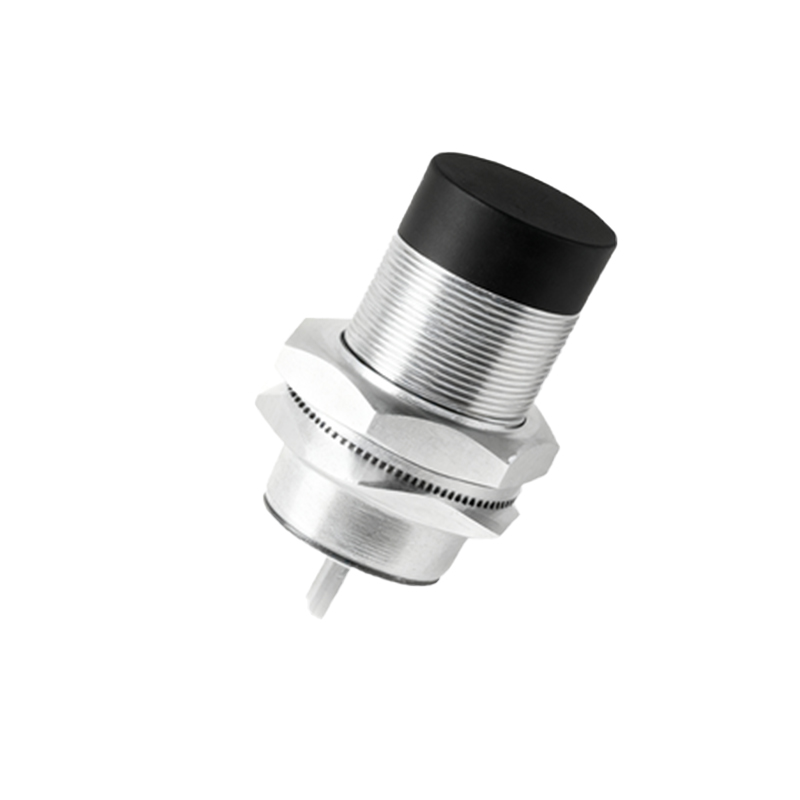
Maintenance, though minimal, is crucial for longevity. Regular checks should verify mechanical integrity, cleanliness of the sensing face, and stable electrical connections. Turck's diagnostic capabilities, especially via IO-Link, facilitate predictive maintenance by monitoring parameters like operating temperature or signal quality, alerting operators to potential issues before they cause unplanned downtime.
In conclusion, Turck Sensors' proximity switches represent a synthesis of German engineering precision, ruggedness, and innovative connectivity. They are not merely components but foundational elements for building resilient, efficient, and intelligent automated systems. By understanding their operating principles and carefully matching their specifications to application demands, engineers and technicians can optimize performance, enhance safety, and achieve new levels of operational reliability in an increasingly automated world.