In the realm of industrial automation, precision, reliability, and durability are non-negotiable. The Proximity Sensor DG3010 stands as a testament to these core engineering principles, offering a robust solution for object detection and positioning across a diverse range of demanding environments. This article delves into the technical specifications, operational principles, and key application scenarios of the DG3010, providing a detailed guide for engineers and system integrators.
At its core, the DG3010 is an inductive proximity sensor. This technology operates on the principle of electromagnetic induction. The sensor generates a high-frequency oscillating electromagnetic field from its active face. When a metallic object enters this detection field, eddy currents are induced on the surface of the target. This causes a change in the oscillation amplitude within the sensor's internal LC circuit. The sensor's electronics detect this change and subsequently trigger a solid-state switching output, typically in the form of a PNP (sourcing) or NPN (sinking) transistor. This non-contact detection method is a significant advantage, eliminating mechanical wear and tear, ensuring a long operational life, and enabling high-speed switching frequencies critical for modern production lines.
The DG3010 is engineered for performance. Key specifications often include a sensing range tailored for its specific housing size (e.g., M30 cylindrical housing), with a nominal sensing distance (Sn) typically in the range of 10-15mm for standard steel targets. It features excellent repeat accuracy, often within 1-3% of Sn, ensuring consistent detection point-to-point. The sensor is designed to operate across a wide voltage range, commonly 10-30V DC, making it compatible with standard industrial control voltages. Its output is protected against short-circuits, reverse polarity, and electrical transients, a crucial feature for maintaining uptime in electrically noisy industrial settings. The housing is typically constructed from nickel-plated brass or stainless steel, with a sensing face made of a durable, temperature-stable material like PBT or PPS, offering high resistance to oils, coolants, and physical impacts.
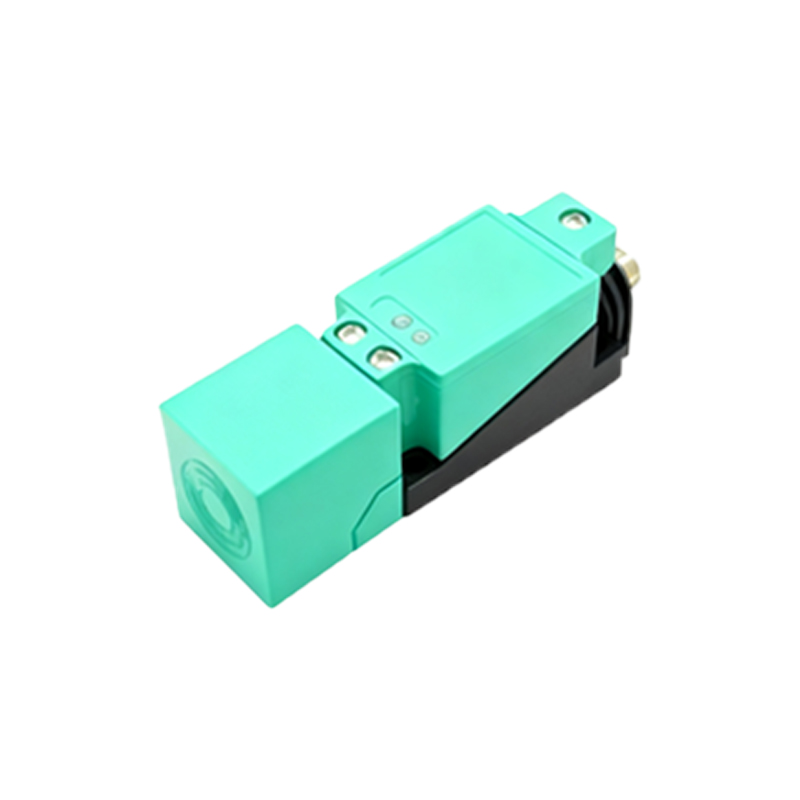
Environmental robustness is a hallmark of the DG3010 series. It generally boasts an IP67 or IP68 ingress protection rating, meaning it is dust-tight and protected against temporary or prolonged immersion in water. This allows for reliable operation in washdown areas, outdoor installations, or machining centers where coolants are prevalent. Furthermore, it exhibits stable performance across a wide temperature range, often from -25°C to +70°C, accommodating both freezer applications and areas near heat-generating machinery.
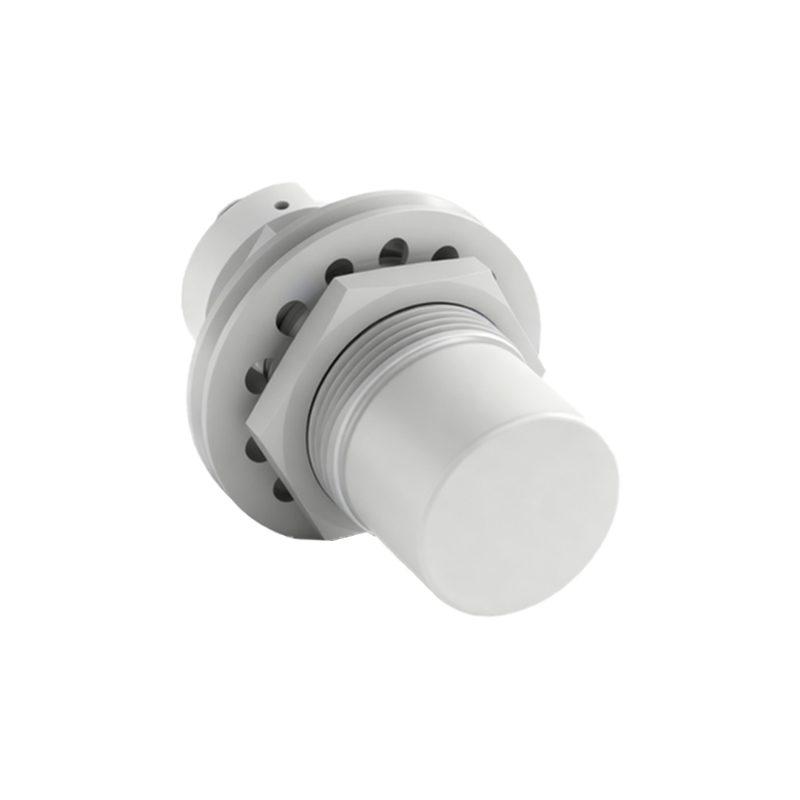
Application versatility is where the DG3010 truly shines. In automotive manufacturing, it is used for precise part presence verification on assembly lines, robot tool positioning, and end-of-arm tooling detection. In material handling and packaging, it detects metal components on conveyor belts, counts products, and monitors pallet positions. Within machine tools, it serves as a limit switch for axis positioning, tool breakage detection, and part clamping confirmation. Its immunity to non-metallic substances like plastic, wood, or liquids makes it ideal for detecting only the intended metallic targets, reducing false triggers.
When integrating the DG3010 into a system, several best practices should be observed. Ensure the target material is ferrous (like mild steel) for optimal sensing distance; for non-ferrous metals like aluminum or copper, the effective sensing range is reduced, and a correction factor must be applied. Maintain the recommended lateral and axial spacing between multiple sensors to prevent mutual interference. Always refer to the manufacturer's datasheet for precise wiring diagrams, ensuring correct connection of the brown (positive), blue (negative), and black (output) wires to avoid damage. Regular maintenance, though minimal, should involve cleaning the sensing face of any accumulated metallic debris or grime that could affect performance.
In conclusion, the Proximity Sensor DG3010 represents a mature, highly reliable component in the industrial sensor portfolio. Its blend of inductive sensing technology, rugged construction, and environmental resilience makes it a go-to choice for engineers seeking a dependable solution for metallic object detection. By understanding its operational parameters and adhering to installation guidelines, system designers can leverage the DG3010 to enhance automation efficiency, improve safety, and ensure the seamless operation of complex industrial machinery.