In the realm of industrial automation, proximity switch sensors are indispensable components, providing non-contact detection for machinery and processes. To ensure their longevity and reliability in harsh environments—characterized by moisture, dust, vibrations, and chemical exposure—potting these sensors with protective compounds like epoxy or silicone is a critical manufacturing step. This is where a specialized potting fixture becomes essential. A well-designed proximity switch sensor potting fixture is not merely a tool; it is a precision instrument that guarantees consistent, high-quality encapsulation, directly impacting sensor performance and operational safety.
The primary function of a potting fixture is to securely hold the proximity sensor in a predetermined position during the potting process. This ensures that the liquid potting material flows uniformly around the sensor's internal components and housing, without causing misalignment or air entrapment. Air bubbles or voids within the potting can lead to premature failure, as they may create stress points, reduce dielectric strength, or allow environmental ingress. Therefore, the fixture must incorporate precise locating pins, clamps, or cavities that match the sensor's exact dimensions and geometry. Materials for such fixtures are typically selected for durability and chemical resistance—aluminum, stainless steel, or engineered plastics like PEEK are common choices, as they withstand repeated exposure to potting compounds and cleaning agents.
Design considerations for an effective potting fixture are multifaceted. First, ergonomics and operator safety are paramount. The fixture should allow for easy loading and unloading of sensors, minimizing handling time and reducing the risk of repetitive strain injuries. Quick-release clamps or pneumatic actuation can enhance efficiency in high-volume production settings. Second, the fixture must accommodate the potting material's properties, such as viscosity and cure time. Features like spill containment channels, venting paths to allow air escape, and heated platens (for thermally-cured compounds) are often integrated. For sensors with wire leads or connectors, the fixture should have dedicated channels or slots to protect these elements from contamination by the potting material.
Moreover, modularity in fixture design offers significant advantages. A modular system, with interchangeable inserts or plates, can adapt to various sensor models and sizes without requiring a completely new fixture. This flexibility reduces tooling costs and changeover downtime, which is crucial for manufacturers producing multiple sensor variants. Precision in machining is non-negotiable; even minor deviations can result in inconsistent potting thickness or seal integrity. Many advanced fixtures now incorporate alignment aids, such as visual guides or integrated sensors, to verify correct part placement before potting commences.
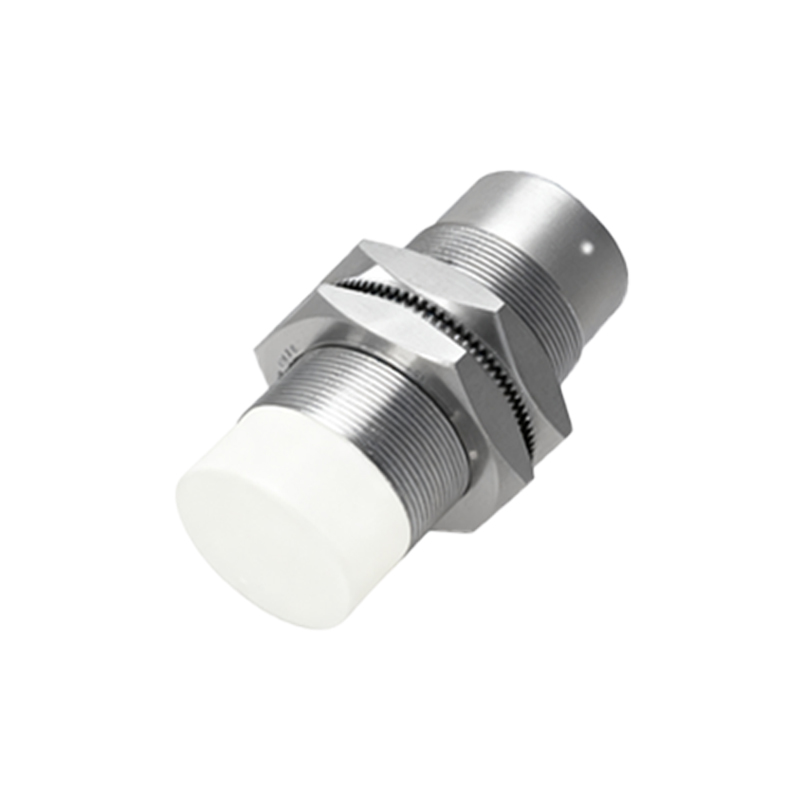
The potting process itself, when supported by an optimal fixture, follows a controlled sequence. Sensors are placed into the fixture, which is then often transferred to a dispensing station. Here, metered amounts of potting compound are injected, sometimes under vacuum to eliminate bubbles. The fixture maintains stability during curing, whether at room temperature or in an oven. Post-curing, the encapsulated sensor is easily demolded, with the fixture designed to prevent damage to the now-encased unit. This repeatable process ensures every sensor meets stringent quality standards, with reliable protection against ingress protection ratings like IP67 or IP68.
In practical applications, from automotive assembly lines to food processing plants, potted proximity sensors endure extreme conditions. A robust potting fixture thus contributes directly to reducing field failures and maintenance costs. It enables manufacturers to achieve scalable, consistent production, which is vital for just-in-time manufacturing and supply chain reliability. Furthermore, as sensors become smaller and more complex, fixture design evolves accordingly, incorporating micro-dispensing compatibility and support for advanced materials like thermally conductive or flexible potting compounds.
Investing in a custom-engineered potting fixture is a strategic decision. It transcends basic tooling, embodying a commitment to product quality and durability. For engineering teams, collaboration with fixture specialists during the sensor design phase can yield synergies, ensuring the sensor housing is optimized for both function and manufacturability. Ultimately, the humble potting fixture is a cornerstone of industrial sensor production, a silent guardian that ensures these electronic sentinels perform flawlessly, day in and day out, on the factory floor.