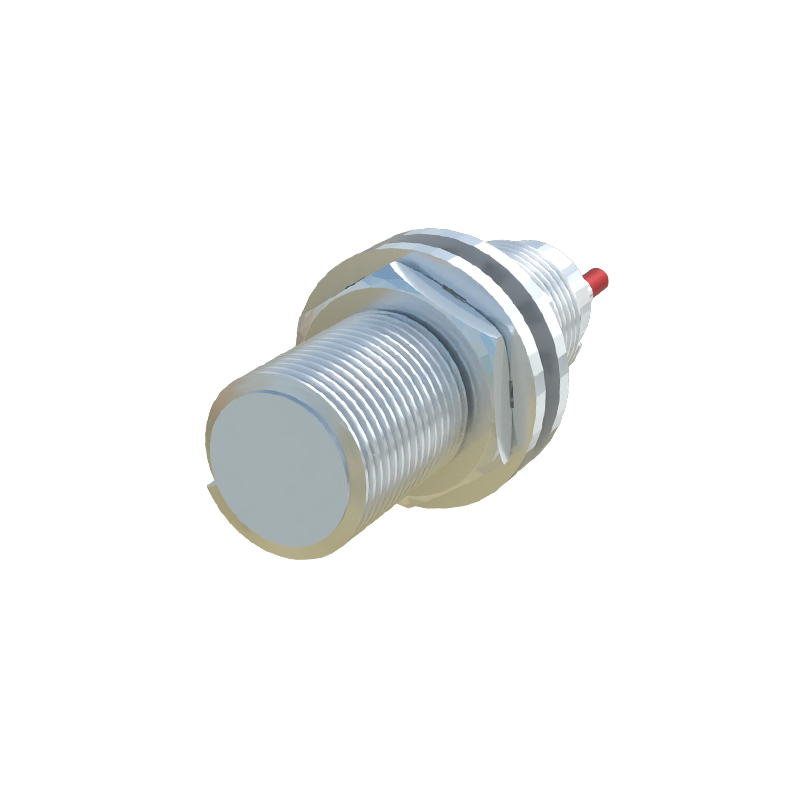
In the world of industrial automation and control systems, proximity sensors play a critical role in detecting the presence or absence of objects without physical contact. A common debate among engineers and procurement specialists is whether to invest in original equipment manufacturer (OEM) proximity sensors or opt for more affordable aftermarket alternatives. This article delves into the technical and practical aspects of this decision, examining the true value proposition of original proximity sensors.
From a technical standpoint, original proximity sensors are engineered to meet precise specifications and rigorous quality standards set by the manufacturer. These sensors are designed, tested, and validated as integral components within a larger ecosystem of automation products. The consistency in materials, manufacturing processes, and calibration ensures reliable performance under specified operating conditions, such as temperature ranges, switching frequencies, and environmental resistance to factors like moisture, oils, or metallic dust. For instance, an original inductive proximity sensor from a leading brand guarantees a specific sensing distance, hysteresis, and repeat accuracy, which are crucial for high-speed assembly lines or precision machining centers. Deviations in these parameters, often seen in non-original parts, can lead to misfires, false triggers, or premature failure, causing costly downtime.
Performance and long-term reliability are the most cited advantages of original sensors. They undergo extensive lifecycle testing, including electrical, mechanical, and environmental stress tests, to ensure they withstand the demands of continuous industrial operation. The internal components, such as the oscillator coil, amplifier, and output circuitry, are sourced and assembled to maintain signal integrity and stability. This results in a lower mean time between failures (MTBF) and a predictable service life. In contrast, aftermarket sensors may use inferior-grade components or simplified circuits to cut costs, potentially compromising their performance in demanding applications. The initial cost savings can quickly be negated by increased maintenance, replacement frequency, and the hidden costs of production stoppages.
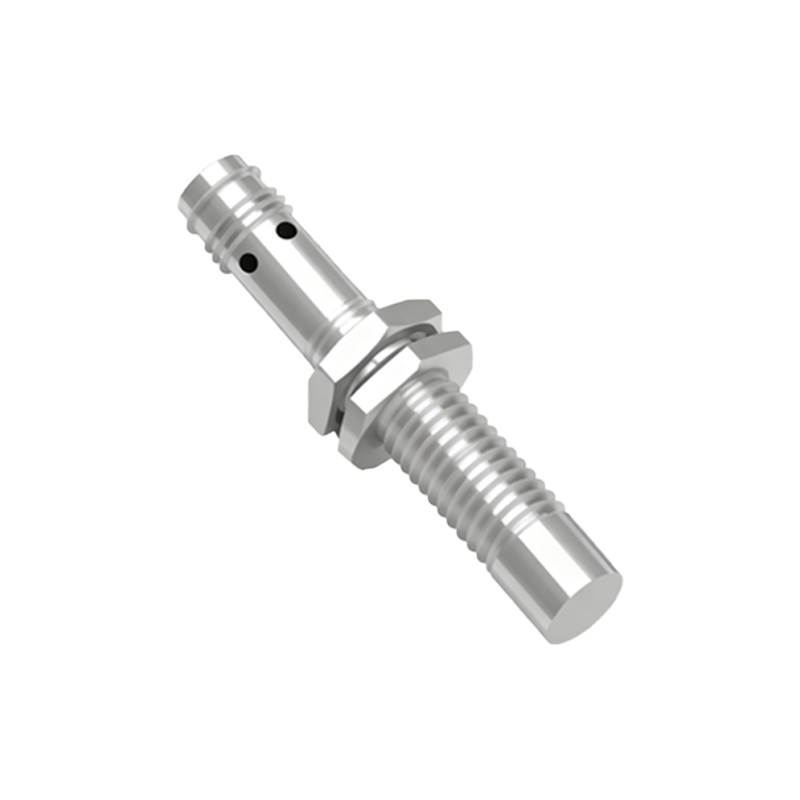
Another critical consideration is compatibility and system integration. Original sensors are guaranteed to be fully compatible with the manufacturer's controllers, interfaces, and software tools. This seamless integration simplifies configuration, diagnostics, and troubleshooting. Many modern industrial networks (e.g., IO-Link, PROFINET, EtherNet/IP) require sensors with specific communication profiles and firmware. Original sensors are designed with this digital ecosystem in mind, ensuring plug-and-play functionality and access to advanced features like parameterization, condition monitoring, and predictive maintenance data. Using a non-original sensor might lead to communication errors, limited functionality, or a complete failure to integrate, forcing engineers to spend valuable time on workarounds or re-engineering.
The aspect of technical support and warranty is often underestimated. Purchasing an original proximity sensor typically includes access to comprehensive technical documentation, detailed datasheets, application notes, and direct support from the manufacturer's engineering teams. In case of a failure within the warranty period, the replacement process is straightforward. Aftermarket suppliers may offer limited or generic documentation and lack the application-specific expertise to assist with complex integration challenges. This can leave maintenance teams to solve problems independently, extending machine downtime.
However, the argument for original sensors is not absolute. For non-critical applications with lenient performance requirements, such as in some light-duty machinery or prototyping environments, a high-quality aftermarket sensor from a reputable supplier can be a cost-effective solution. The key is to conduct a thorough risk assessment. Evaluate the criticality of the sensor's function: Is it ensuring operator safety, guaranteeing product quality, or controlling a high-value process? If the answer is yes, the investment in an original sensor is easily justified.
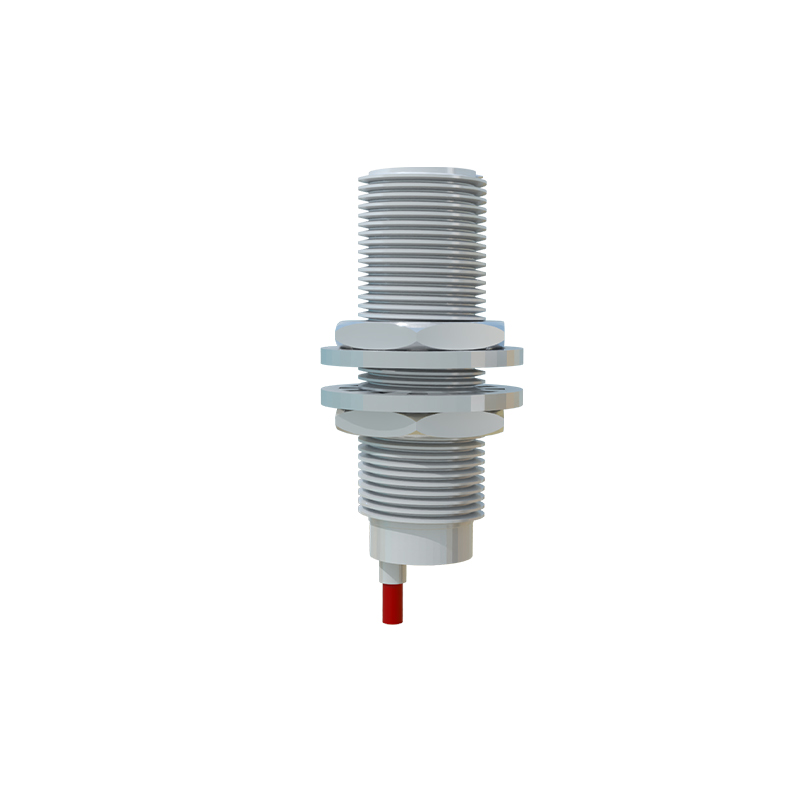
In conclusion, while the upfront cost of original proximity sensors is higher, their value is realized through superior reliability, guaranteed performance, seamless system integration, and full manufacturer support. For mission-critical industrial applications where downtime is expensive and performance is non-negotiable, specifying original proximity sensors is a sound engineering and economic decision. The choice ultimately hinges on a total cost of ownership analysis, weighing initial price against long-term operational stability and productivity.