In the realm of industrial automation and motion control, the reliable detection of rotational position and speed is paramount. Among the various sensing technologies available, magnetic ring sensor rotary proximity switches stand out for their robustness, non-contact operation, and high precision. These devices are engineered to translate rotary motion into a clear, actionable electrical signal, forming a critical link in feedback control loops for motors, conveyors, indexing tables, and countless other rotating systems.
At its core, the technology leverages the fundamental principles of magnetism. The system consists of two primary components: a multi-pole magnetic ring (or encoder ring) and a stationary sensor head. The magnetic ring is mounted directly onto the rotating shaft. Its surface is magnetized with numerous north and south poles arranged in an alternating pattern. The sensor head, positioned in close proximity to the ring without physical contact, contains a sensitive magnetic field detection element, typically a Hall-effect or magnetoresistive sensor. As the shaft rotates, the alternating magnetic fields from the poles pass by the sensor head. This cyclical change in magnetic flux density is detected and converted by the internal circuitry into a clean, digital pulse train or, in some configurations, a sinusoidal signal. The frequency of this output signal is directly proportional to the rotational speed, while the total pulse count indicates angular displacement.
The advantages of this design are significant for harsh industrial environments. The non-contact nature eliminates mechanical wear, ensuring a long operational life and maintenance-free performance. Sealed sensor housings and the inherent immunity of magnetic fields to common contaminants like dust, oil, moisture, and vibration make these switches exceptionally reliable. They are not affected by ambient light, unlike optical encoders, and can operate effectively in dirty or washdown conditions. Furthermore, they offer excellent resistance to electrical noise, providing stable signals even in electrically noisy factory settings.
Applications for magnetic ring rotary proximity switches are diverse. They are extensively used for simple speed monitoring and overspeed/underspeed detection on fans, pumps, and gearboxes. In conveyor systems, they provide precise feedback for speed synchronization and length measurement. They serve as homing or index sensors in automated machinery, providing a reference pulse per revolution for positional accuracy. When configured with a high pole count ring, they can even function as cost-effective incremental encoders for basic motion control tasks, offering directional information and finer resolution.
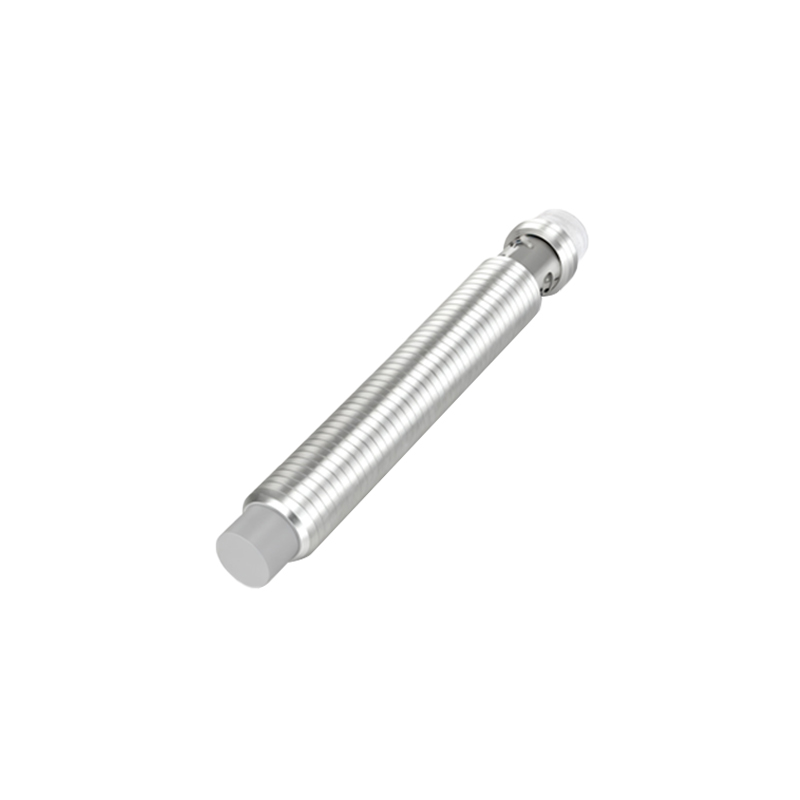
Selecting the appropriate magnetic ring sensor requires careful consideration of several key parameters. First, the required resolution, often defined by the number of pulses per revolution (PPR), must match the application's needs for speed control or position feedback. The operating temperature range should accommodate the environmental conditions. The output signal type is crucial: common options include NPN/PNP transistor outputs for simple switch functionality, push-pull outputs for noise immunity, or analog outputs like 4-20mA for proportional speed indication. The physical size and mounting method of both the ring and sensor must be compatible with the mechanical design. Finally, environmental protection ratings, such as IP67 or IP69K for washdown areas, are essential for long-term reliability.
Installation and alignment are straightforward but critical. The magnetic ring must be concentrically mounted on the shaft to prevent signal variation. The air gap between the sensor face and the ring surface must be maintained within the manufacturer's specified limits, typically a few millimeters. Exceeding this gap can weaken the signal below the detection threshold. Proper shielding of the output cable is recommended in environments with high electromagnetic interference to ensure signal integrity.
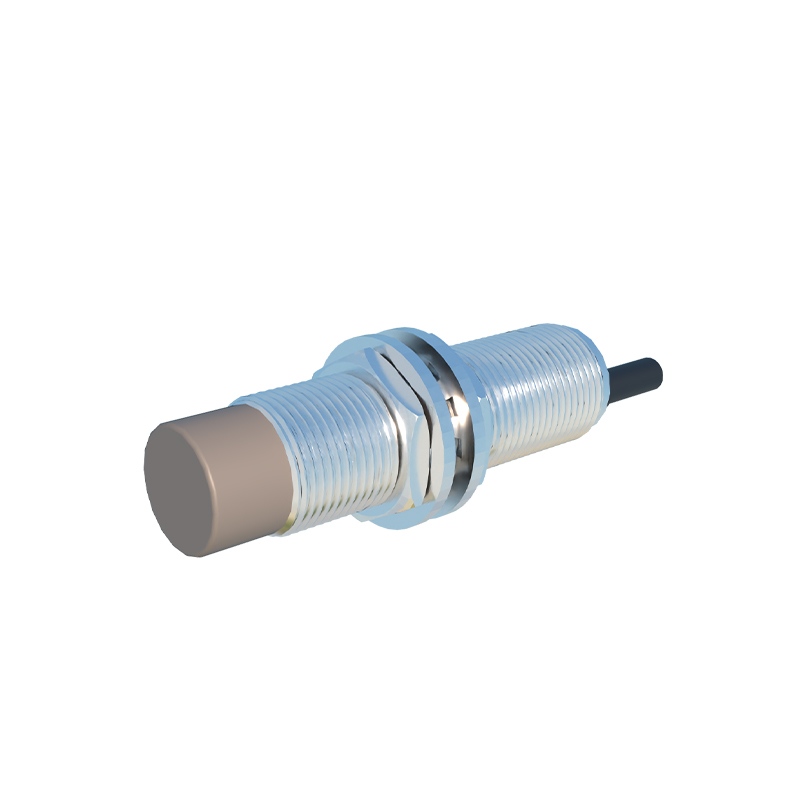
In conclusion, magnetic ring sensor rotary proximity switches represent a mature, highly reliable sensing solution for rotational parameters. Their simplicity, durability, and accuracy make them a preferred choice for engineers designing robust industrial systems. By understanding their operating principle and carefully matching their specifications to the application demands, designers can ensure precise control, enhanced safety, and improved operational efficiency in automated processes. As Industry 4.0 drives demand for more data from the factory floor, these dependable sensors will continue to play a vital role in providing essential rotational feedback.