In the realm of industrial automation and control systems, proximity sensors stand as fundamental components, enabling non-contact detection of objects with precision and reliability. These devices are engineered to detect the presence or absence of an object within a specified sensing range without any physical contact, thereby eliminating mechanical wear and tear and allowing for high-speed operation. This article delves into the core principles, primary types, key applications, and essential selection factors for proximity sensors, providing a comprehensive overview for engineers and system integrators.
At its core, a proximity sensor operates by emitting an electromagnetic field, beam, or ultrasonic sound wave and then monitoring for changes in the return signal or field. When a target object enters the sensor's detection field, it causes a detectable change—such as a disturbance in an electromagnetic field, reflection of a beam, or a change in capacitance—which the sensor converts into an electrical output signal. This output is typically a simple ON/OFF switch signal used to trigger control actions in a Programmable Logic Controller (PLC) or other control unit.
The industrial landscape features several predominant types of proximity sensors, each with distinct operating principles and ideal use cases. Inductive proximity sensors are among the most common. They generate an oscillating electromagnetic field and detect the eddy current losses caused when a metallic target enters this field. They are exclusively for detecting metals, offering excellent repeatability and resistance to environmental contaminants like dust, oil, and coolant. Common applications include part counting on conveyor belts, detecting the position of metal parts in machinery, and end-of-travel limit sensing.
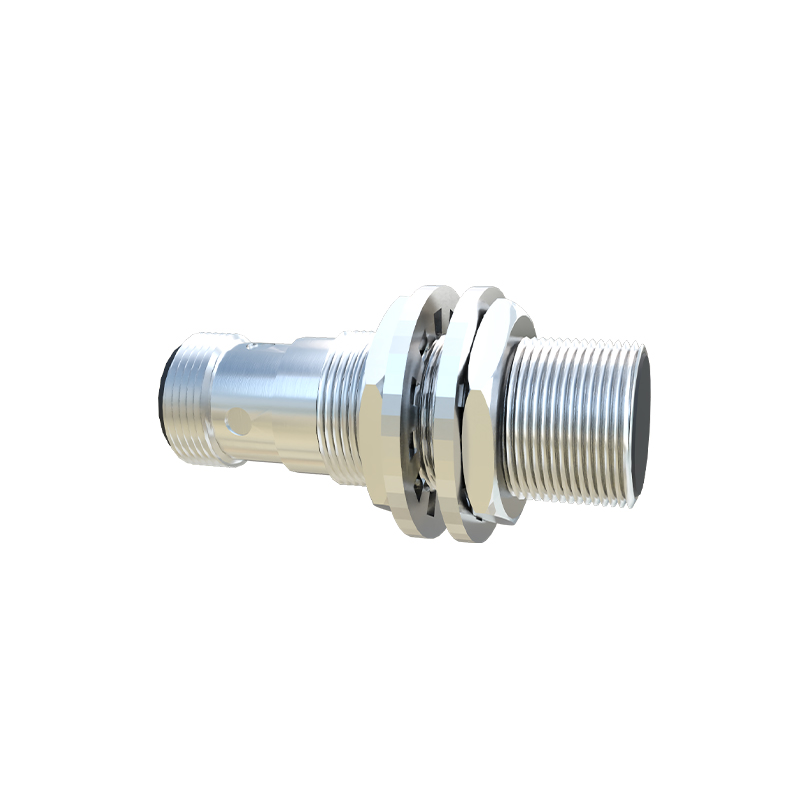
Capacitive proximity sensors, in contrast, can detect both metallic and non-metallic materials, including liquids, plastics, glass, and wood. They function by generating an electrostatic field and sensing the change in capacitance that occurs when any material with a dielectric constant different from air enters the field. This makes them versatile for tasks such as liquid level detection in tanks, monitoring presence of plastic or glass bottles on a production line, or detecting granular materials in hoppers.
Ultrasonic proximity sensors utilize sound waves beyond the human hearing range. They measure the time taken for an emitted ultrasonic pulse to reflect off a target and return to the receiver. This time-of-flight principle allows them to detect objects regardless of color, transparency, or material composition, and they can often provide distance information (analog output). They are well-suited for challenging environments with dust, smoke, or light interference, used in applications like pallet detection, loop control, and distance measurement.
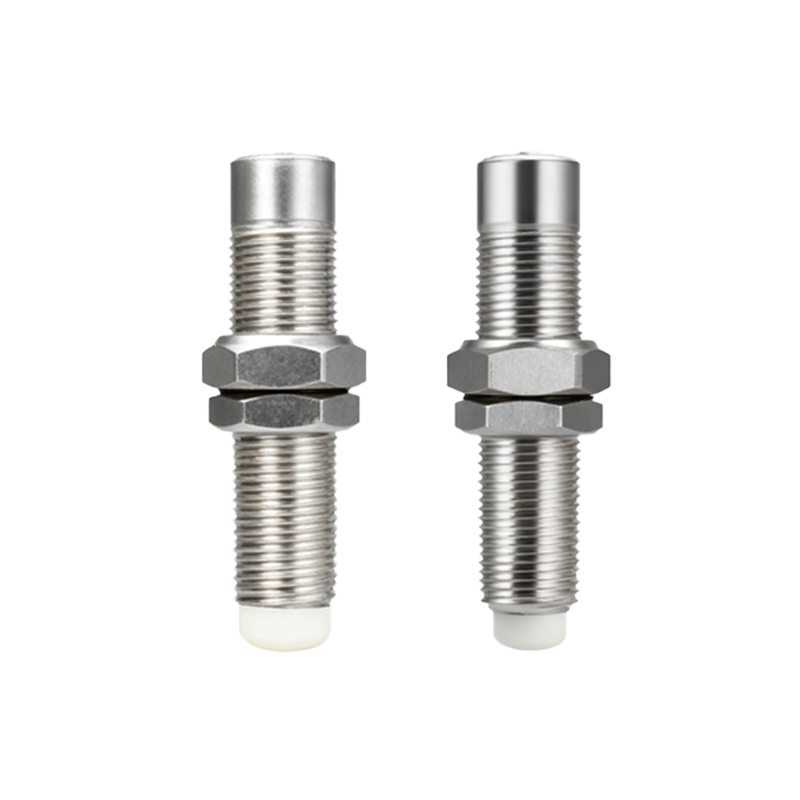
Photoelectric sensors, while sometimes categorized separately, function as proximity devices. They consist of a light emitter (usually LED) and a receiver. In the proximity-sensing mode (diffuse or reflective), the sensor detects the presence of an object by the reflection of its own emitted light beam. They offer long sensing ranges and can detect a wide variety of objects, but their performance can be affected by target color, reflectivity, and environmental conditions like dirt or ambient light.
Selecting the appropriate proximity sensor for a specific application requires careful consideration of multiple parameters. The nature of the target material is paramount: inductive for metals, capacitive for a broader range, ultrasonic for difficult conditions. The required sensing distance, or nominal range, must be specified, ensuring a safety margin is applied. Environmental factors such as temperature extremes, presence of chemicals, washdown requirements (IP rating), and electrical noise interference must be evaluated. The electrical output type (NPN/PNP, NO/NC) must be compatible with the control system's input card. Finally, physical characteristics like housing style (barrel, rectangular), size, and connection type (pre-wired, connector) are chosen based on mounting constraints.
In modern smart factories and IIoT (Industrial Internet of Things) setups, proximity sensors are evolving. Sensors with IO-Link communication capability are gaining traction, providing not just a simple switch signal but also detailed diagnostic data (e.g., operating hours, temperature, signal strength) to predictive maintenance systems. This enhances overall equipment effectiveness (OEE) by allowing for proactive maintenance before a failure occurs.
In conclusion, proximity sensors are indispensable eyes of the automated factory floor. Their ability to provide reliable, non-contact detection drives efficiency, safety, and precision in countless processes. A thorough understanding of their operating principles, types, and selection criteria empowers engineers to design robust and optimized control systems, forming the reliable sensory foundation upon which advanced automation is built.