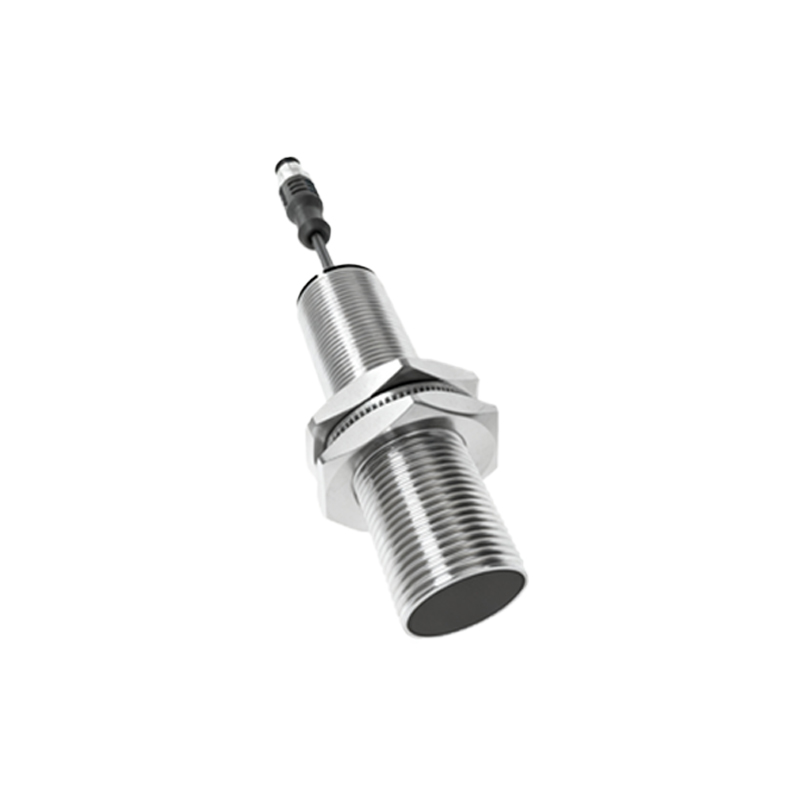
In the realm of industrial automation, precision and reliability are paramount. One critical component that ensures these qualities is the origin sensor, a device used to establish a reference point for machinery and robotic systems. Traditionally, various sensors like limit switches or optical encoders have been employed for this purpose. However, proximity switches have emerged as a robust and efficient alternative, offering distinct advantages in many applications. This article explores the feasibility, benefits, and implementation considerations of using proximity switches as origin sensors.
Proximity switches, also known as proximity sensors, are non-contact devices that detect the presence or absence of an object within a specified range without physical contact. They operate based on principles such as electromagnetic, capacitive, or inductive sensing. When an object, typically a metal target, enters the sensor's detection field, it triggers a signal. This characteristic makes them ideal for origin sensing, where establishing a precise reference point is essential for repeatable operations.
The use of proximity switches as origin sensors offers several key benefits. First, their non-contact nature eliminates mechanical wear and tear, leading to longer service life and reduced maintenance costs compared to mechanical limit switches. This is particularly advantageous in high-speed or high-cycle applications where durability is crucial. Second, proximity switches provide fast response times, often in the microsecond range, ensuring accurate and timely detection. This speed enhances the overall efficiency of automation systems, minimizing downtime and improving productivity. Third, these sensors are highly resistant to environmental factors such as dust, oil, and moisture, especially when housed in rugged enclosures. This resilience makes them suitable for harsh industrial environments, from manufacturing floors to outdoor installations.
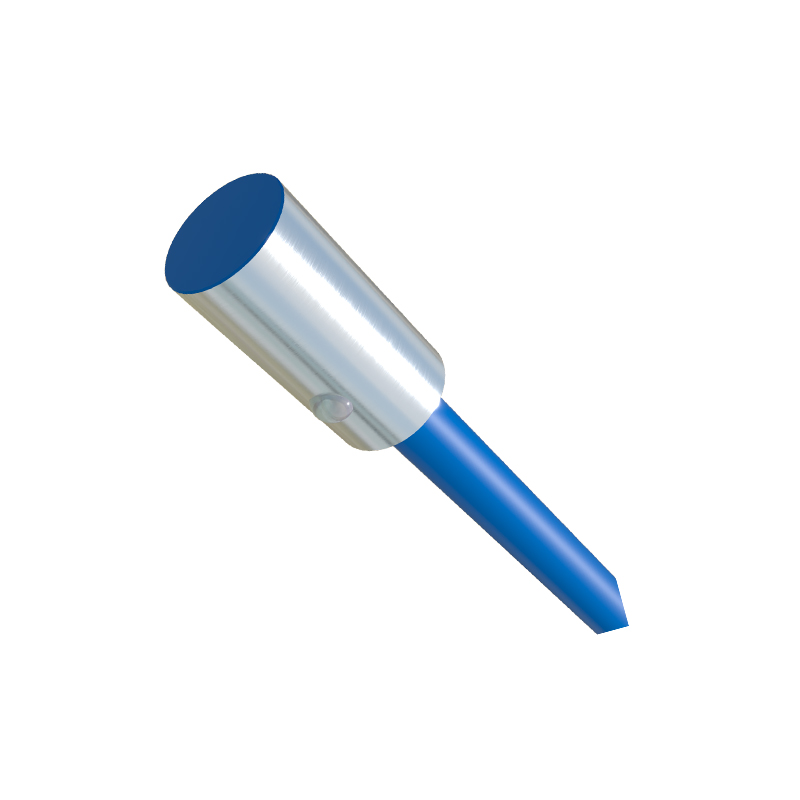
Implementing proximity switches as origin sensors requires careful consideration of several factors. The selection of the sensor type is critical. Inductive proximity switches are commonly used for detecting metallic objects, making them a popular choice in metalworking and machinery applications. For non-metallic materials, capacitive proximity switches may be employed. The sensing range must be chosen based on the application's requirements; too short a range might miss the target, while too long a range could lead to false triggers. Additionally, the mounting position and alignment are vital to ensure consistent detection. The sensor should be installed in a location where the target object passes reliably during the homing sequence, and proper shielding may be necessary to avoid interference from nearby metal objects or electrical noise.
In practice, integrating a proximity switch as an origin sensor involves connecting it to a programmable logic controller (PLC) or motion controller. The sensor's output signal, typically a digital switch signal (e.g., PNP or NPN), is wired to an input module. During system initialization or homing routines, the controller monitors this signal to determine when the machine reaches the origin position. For example, in a linear actuator system, a metal flag attached to the moving part can trigger the proximity switch as it passes, signaling the controller to set the current position as zero. This process ensures repeatable positioning accuracy, which is essential for tasks like assembly, packaging, or CNC machining.
Despite their advantages, there are limitations to consider. Proximity switches may not be suitable for applications requiring extremely high precision, such as sub-micron level positioning, where optical encoders or laser sensors might be preferred. Additionally, the detection range can be affected by the material and size of the target object, necessitating calibration and testing. However, for many industrial scenarios where precision within millimeters is acceptable, proximity switches provide a cost-effective and reliable solution.
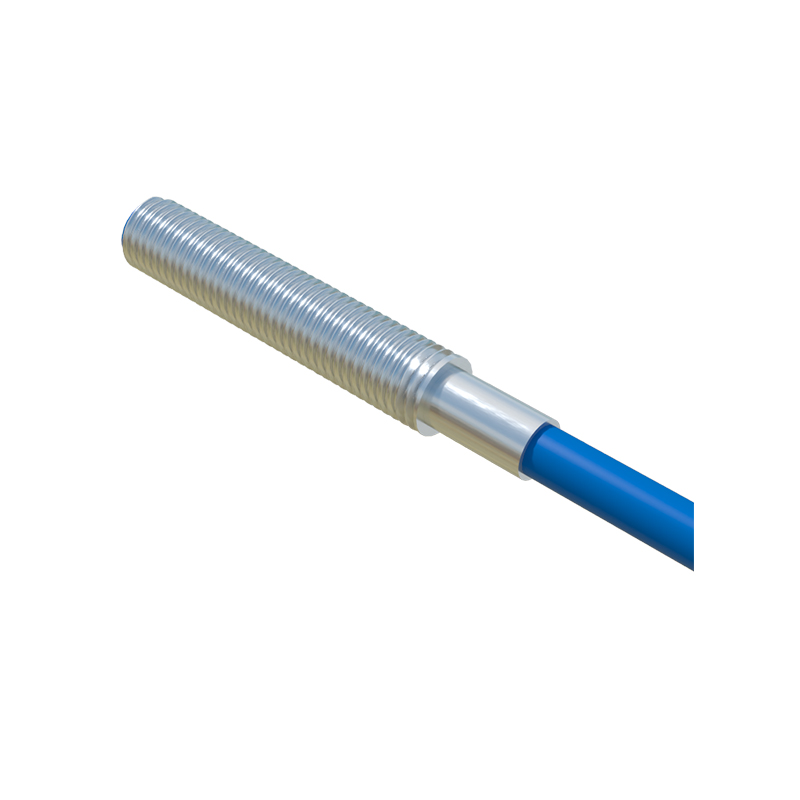
Case studies illustrate the effectiveness of proximity switches as origin sensors. In conveyor systems, they are used to detect the home position of pallets, ensuring accurate sorting and routing. In robotic arms, proximity switches help calibrate joint angles during startup, enabling precise movement sequences. These applications highlight the versatility and adaptability of proximity switches in diverse automation contexts.
In conclusion, proximity switches are a viable and often superior choice for origin sensing in industrial automation. Their non-contact operation, durability, speed, and environmental resistance make them well-suited for establishing reliable reference points. By carefully selecting and installing these sensors, engineers can enhance system performance, reduce maintenance, and achieve greater operational efficiency. As automation technology continues to evolve, the role of proximity switches in origin sensing is likely to expand, driven by ongoing innovations in sensor design and integration capabilities.