In the intricate world of industrial automation and machinery, proximity sensors stand as silent sentinels, detecting the presence or absence of objects without physical contact. Their reliable operation is paramount for process control, safety, and efficiency. While much attention is rightly given to sensor selection, calibration, and wiring, a seemingly minor component often plays a critical, yet underappreciated, role in ensuring long-term performance: the lock washer, or more specifically in this context, the anti-loosening or locking washer.
The primary function of a lock washer in a proximity sensor installation is to prevent the loosening of the sensor's mounting nut or bolt due to vibration, thermal cycling, and dynamic operational stresses. Proximity sensors are frequently installed in environments characterized by significant vibration—think conveyor systems, stamping presses, robotic arms, or heavy-duty motor assemblies. Continuous vibration transmits kinetic energy to fasteners, inducing a phenomenon known as "spontaneous loosening." Over time, even a securely tightened nut can gradually rotate and lose its clamping force. This loss of preload compromises the sensor's physical stability.
A loose proximity sensor is a liability. It can shift from its precisely calibrated position, leading to inconsistent or failed object detection. This results in machine downtime, production errors, or even safety hazards. In high-cycle applications, a sensor that moves even a fraction of a millimeter can cause catastrophic process failures. The lock washer combats this by introducing a counter-force. Common types used include split washers (helical spring washers) and toothed washers (internal or external serrated lock washers). The split washer acts as a spring, maintaining axial tension on the fastener assembly and resisting rotational loosening. Toothed washers bite into both the mounting surface and the nut/bolt head, creating a high-friction interface that resists turning.
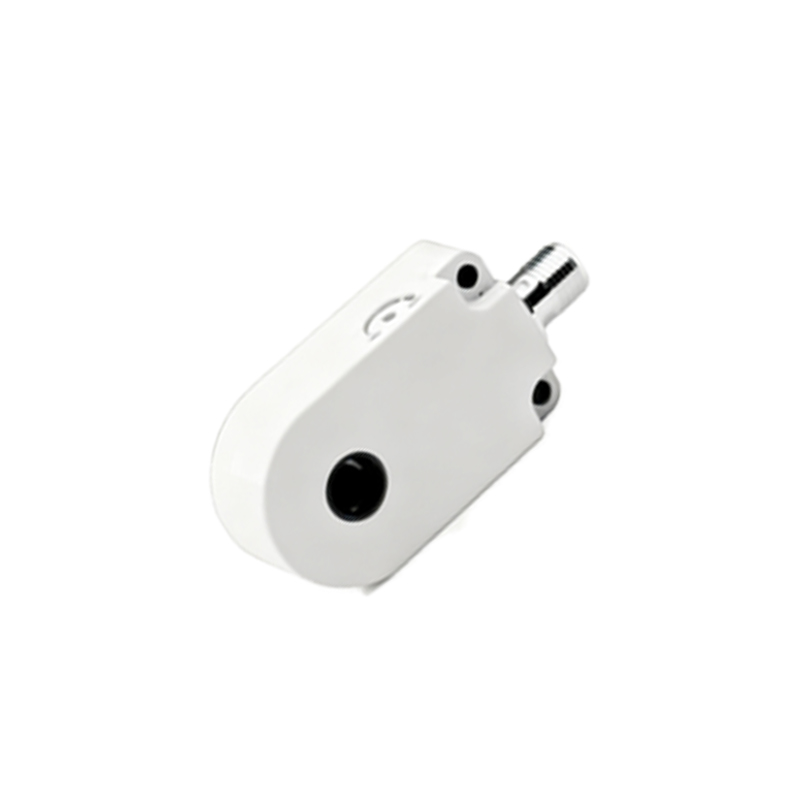
Beyond vibration, thermal expansion and contraction pose another challenge. Machinery components, including sensor housings and mounting brackets, expand when heated and contract when cooled. This cyclic movement can gradually work fasteners loose. A properly selected lock washer helps maintain the necessary clamp load across a range of temperatures, ensuring the sensor remains securely anchored throughout thermal cycles.
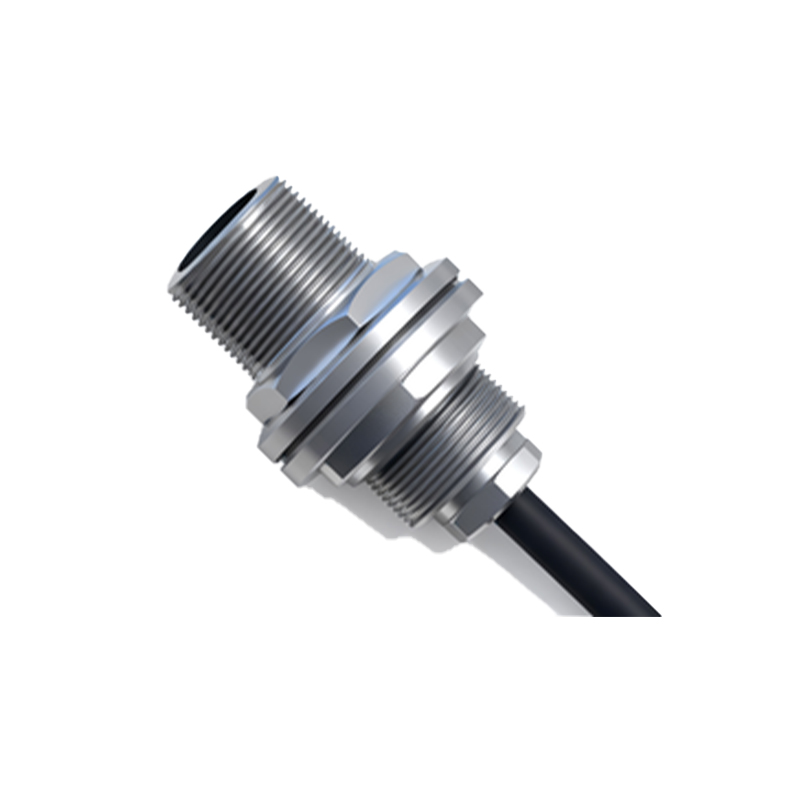
The choice of lock washer material is also crucial and should align with the sensor's operating environment. For standard industrial settings, zinc-plated or plain carbon steel washers are common. However, in corrosive environments—such as food processing, chemical plants, or marine applications—where sensors might be exposed to moisture, acids, or alkalis, stainless steel (e.g., A2/AISI 304 or A4/AISI 316) lock washers are essential to prevent rust and seizure, which could complicate future maintenance or replacement.

Installation practice is key. The washer must be installed in the correct orientation. For a split washer, the sharp edges should face the workpiece (mounting surface). For a toothed washer, the teeth should engage both contact surfaces. The fastener should then be torqued to the manufacturer's specification. Over-torquing can flatten a spring washer, rendering it ineffective, or strip threads. Under-torquing fails to engage the locking mechanism properly. It is a balance that demands attention.
In summary, the humble lock washer is a vital component in the reliability equation for proximity sensors. It is a dedicated anti-loosening device that safeguards the sensor's positional integrity against the relentless forces of vibration and thermal dynamics. Specifying the correct type and material of lock washer, and installing it with care, is a best practice that extends mean time between failures (MTBF), reduces maintenance interventions, and ensures the continuous, accurate operation of the sensing system. Ignoring this small component can lead to disproportionately large operational problems, making it an essential consideration for any engineer designing or maintaining automated systems.