In the rapidly evolving landscape of industrial automation, selecting and sourcing the right components is critical for operational efficiency and system reliability. Among these components, proximity sensors play a pivotal role in non-contact detection, object positioning, and automated control processes. The emergence of new, advanced proximity sensors—featuring enhanced sensing ranges, improved immunity to environmental interference, higher switching frequencies, and robust communication protocols like IO-Link—presents both opportunities and challenges for procurement. For engineers, maintenance supervisors, and procurement specialists, the question is not just about specifications but about reliable sourcing channels. This guide outlines the primary avenues for purchasing these next-generation sensors.
The most direct and traditional method is through authorized distributors of major sensor manufacturers. Companies like Siemens, Omron, Pepperl+Fuchs, Balluff, and IFM Electronic maintain extensive global networks of certified distributors. Purchasing from these authorized sources guarantees genuine products, full manufacturer warranties, and access to comprehensive technical data sheets, application support, and configuration tools. For new sensor models incorporating cutting-edge technologies like condition monitoring or predictive maintenance capabilities, distributors often receive early stock and specialized training. They can provide valuable insights into integration with existing PLC systems and offer samples for testing. The primary drawback can be cost, as prices are typically at list value, though volume discounts are negotiable.
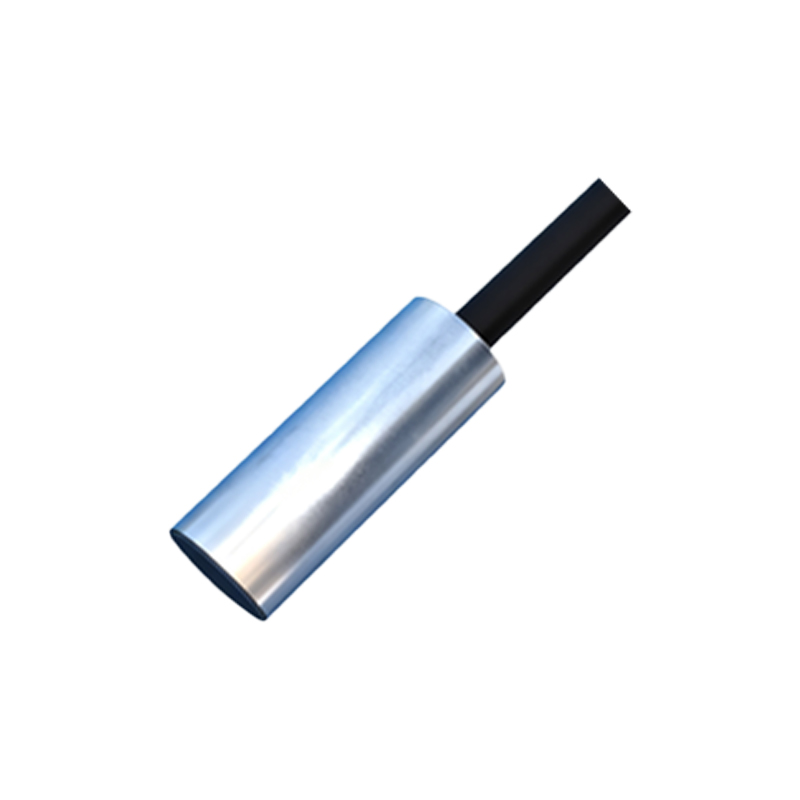
Online industrial marketplaces and component suppliers have become a dominant force in B2B procurement. Platforms such as Allied Electronics, Digi-Key, RS Components, and Newark offer vast inventories from hundreds of manufacturers. Their key advantages are speed, convenience, and transparent pricing. You can easily compare specifications, prices, and delivery timelines for new inductive, capacitive, ultrasonic, and magnetic proximity sensors across multiple brands on a single website. Many offer detailed parametric search filters, allowing engineers to narrow down options by sensing distance, output type (PNP/NPN, analog, IO-Link), housing material, and protection rating (IP67/IP69K). These platforms are ideal for prototyping, small-batch orders, or urgent replacement needs. However, deep technical consultation may be less readily available compared to a dedicated local distributor.
For large-scale projects or ongoing operational needs, establishing a direct relationship with the manufacturer's regional sales office can be highly beneficial. This approach is suitable when procuring hundreds or thousands of units of a new sensor model for a new production line or plant-wide upgrade. Manufacturers can offer significant project-based pricing, customized labeling or packaging, and direct engineering support for complex integration challenges. They can also provide detailed lifecycle information and migration paths from older sensor models. The process may involve more formal quoting and longer lead times for contract negotiation but ensures a partnership for future support.
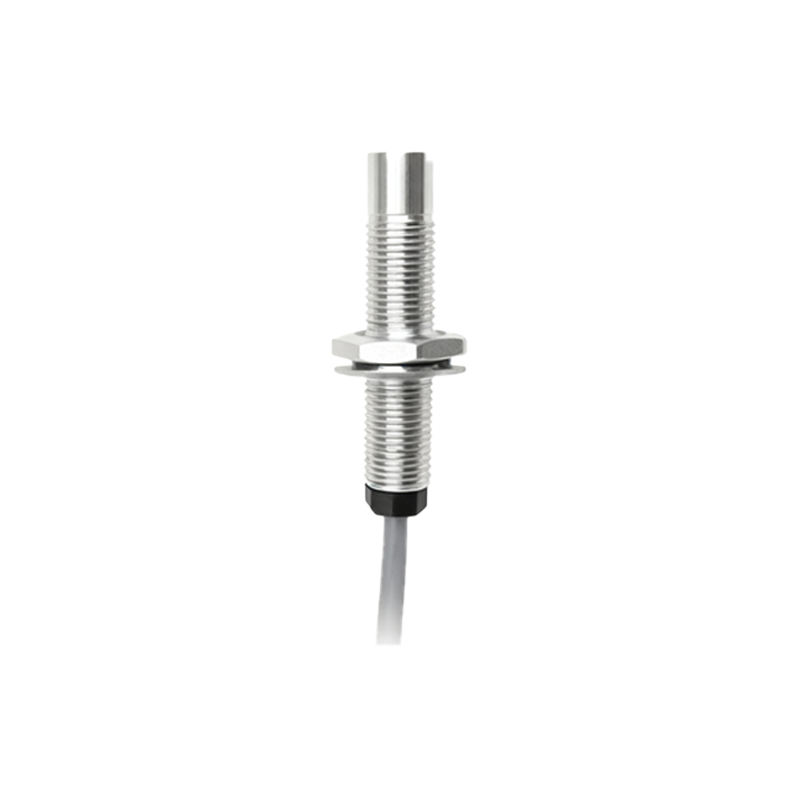
A critical, yet sometimes overlooked, channel is specialized system integrators and automation solution providers. These firms do not just sell components; they design and implement complete control systems. When you need a new type of sensor—for instance, one capable of detecting transparent films or one with exceptional resistance to welding spatter—a skilled integrator can recommend the optimal model from their curated portfolio and handle the entire installation and programming. They purchase sensors in bulk from distributors or manufacturers and bundle them with their services. This channel is excellent for solving specific application puzzles where the sensor choice is integral to a larger automation goal.
Regardless of the chosen channel, several best practices are non-negotiable when sourcing new proximity sensors. First, always verify the authenticity of the product. Counterfeit electronic components are a serious risk in the supply chain and can lead to system failures and safety hazards. Purchase only from reputable sources. Second, ensure the sensor's specifications precisely match your application requirements: required sensing distance, target material, operating voltage, output configuration, and environmental conditions (temperature, chemicals, washdown). Third, consider total cost of ownership, which includes not just the unit price but also installation time, maintenance needs, and potential downtime costs. A slightly more expensive, more reliable sensor from a trusted source often proves more economical in the long run.
In conclusion, the procurement of new, advanced proximity sensors is a strategic decision. The optimal purchasing channel depends on factors like order volume, required technical support, project timeline, and budget. Authorized distributors offer security and support, online marketplaces provide speed and selection, direct manufacturer contact suits large projects, and system integrators deliver application-specific solutions. By carefully evaluating these options against your specific technical and commercial needs, you can ensure a successful procurement that enhances your automation system's performance and reliability.