Inductive proximity sensors are non-contact electronic devices designed to detect the presence of metallic objects without physical contact. Operating on the principle of electromagnetic induction, these sensors generate an oscillating electromagnetic field from a coil wound around a ferrite core. When a metallic target enters this field, eddy currents are induced on the target's surface, causing a change in the oscillation amplitude or frequency. This alteration is processed by the sensor's internal circuitry to trigger an output signal, typically in the form of a switching action.
In power supply systems, inductive proximity sensors play a critical role in monitoring and control. They are extensively used to detect the position of circuit breakers, switches, and moving parts in electrical cabinets, ensuring safe operation by confirming whether components are fully engaged or disengaged. For instance, in high-voltage switchgear, these sensors verify the open or closed status of disconnect switches, providing essential feedback to control systems to prevent arc flash incidents or unintended energization. Their robustness against environmental contaminants like dust, oil, and moisture makes them ideal for harsh industrial settings, including power generation plants and substations.
The selection of an inductive proximity sensor for power applications depends on several technical parameters. Sensing range, typically from a few millimeters to several centimeters, must be matched to the target's size and material—ferrous metals like iron and steel offer longer detection distances compared to non-ferrous metals such as aluminum or copper. Operating voltage is another key consideration; most sensors are designed for DC (10-30V DC) or AC (20-250V AC) supplies, aligning with standard industrial power systems. Output configurations include NPN, PNP, or relay contacts, allowing integration with programmable logic controllers (PLCs) or relay-based control circuits. Additionally, factors like response time (often in microseconds), temperature tolerance (commonly -25°C to 70°C), and housing materials (e.g., stainless steel for corrosion resistance) must be evaluated to ensure reliability under specific operating conditions.
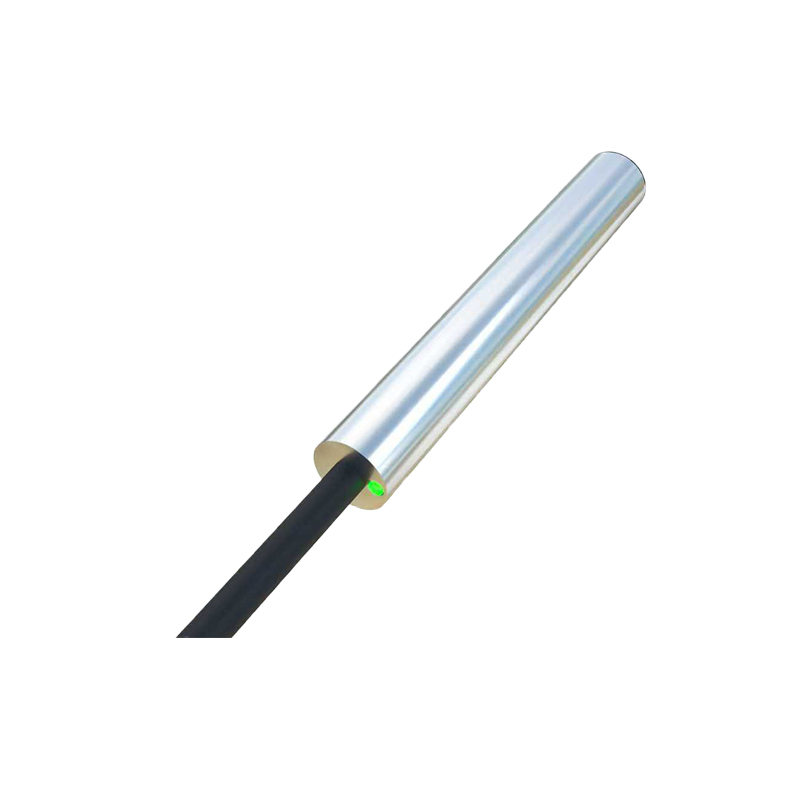
Installation and maintenance practices are vital for optimal performance. Sensors should be mounted securely to avoid vibration-induced misalignment, with adequate clearance from other metallic objects to prevent interference. Regular calibration checks are recommended to maintain accuracy, especially in high-duty cycles. Common issues like false triggering can often be mitigated by shielding or adjusting the sensing angle. In modern smart grids, inductive sensors are increasingly integrated with IoT-enabled devices, enabling real-time diagnostics and predictive maintenance through data analytics, thereby enhancing system efficiency and reducing downtime.
Overall, inductive proximity sensors are indispensable in power supply infrastructures, offering precise, durable, and cost-effective solutions for automation and safety. Their ability to operate reliably in demanding electrical environments underscores their importance in advancing industrial automation and energy management. As technology evolves, developments in miniaturization and enhanced sensitivity are expected to further expand their applications in renewable energy systems and advanced power distribution networks.