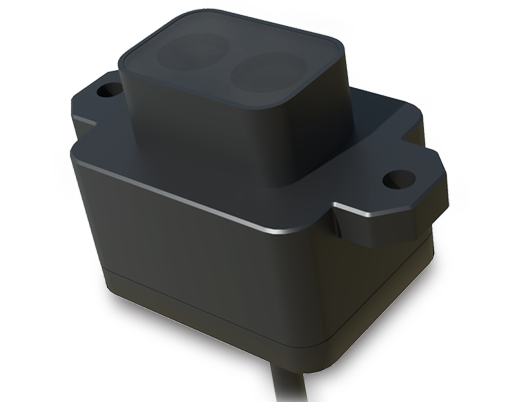
In the dynamic landscape of modern industrial manufacturing, paint spray laser sensors have emerged as pivotal components, revolutionizing surface coating processes with unparalleled precision and efficiency. These sophisticated devices leverage laser technology to meticulously monitor and control paint application, ensuring consistent quality while minimizing waste. As industries increasingly prioritize automation and sustainability, the adoption of such sensors has become integral to achieving operational excellence.
At the core of paint spray laser sensors is the principle of laser triangulation or time-of-flight measurement. By emitting a focused laser beam onto a target surface, these sensors detect the reflected light to calculate distance, thickness, and uniformity of the paint layer in real-time. This non-contact method eliminates the risk of contamination or damage to the workpiece, making it ideal for sensitive applications in automotive, aerospace, and consumer electronics sectors. For instance, in automotive assembly lines, sensors continuously scan vehicle bodies, adjusting spray parameters to maintain optimal coating thickness across complex contours, thereby enhancing durability and aesthetic appeal.
The integration of these sensors with advanced control systems, such as programmable logic controllers (PLCs) and industrial robots, further amplifies their capabilities. Through real-time data feedback, automated spray guns can dynamically adapt to variations in surface geometry or environmental conditions, reducing overspray and material consumption by up to 30%. This not only cuts costs but also aligns with environmental regulations by lowering volatile organic compound (VOC) emissions. Moreover, machine learning algorithms are now being incorporated to predict and correct anomalies, fostering a proactive maintenance culture that minimizes downtime.
In terms of design, modern paint spray laser sensors are engineered for robustness, featuring IP67-rated enclosures that withstand harsh factory environments, including exposure to chemicals, dust, and temperature fluctuations. High-resolution cameras and infrared lasers enable precise detection even on dark or reflective surfaces, addressing traditional challenges in coating inspection. For example, in the aerospace industry, where coatings must adhere to stringent safety standards, these sensors verify micro-thickness variations on turbine blades, ensuring compliance with rigorous specifications.

Despite their advantages, implementation requires careful consideration of factors like sensor placement, calibration, and integration with existing workflows. Regular maintenance, including lens cleaning and software updates, is essential to sustain accuracy. However, the return on investment is substantial, as evidenced by case studies from leading manufacturers reporting improved first-pass yield rates and reduced rework. As Industry 4.0 evolves, the convergence of IoT connectivity and cloud analytics will likely enhance sensor functionalities, enabling remote monitoring and predictive analytics for smarter manufacturing ecosystems.
In conclusion, paint spray laser sensors represent a transformative technology in industrial coating processes. By delivering real-time, high-precision measurements, they empower manufacturers to achieve superior quality, efficiency, and sustainability. As innovation continues, these sensors will play an increasingly vital role in shaping the future of automated production, driving industries toward greater competitiveness and environmental stewardship.