Capacitive proximity sensors are essential components in modern industrial automation, offering non-contact detection of both metallic and non-metallic objects. The manufacturing process of these sensors involves precise engineering and stringent quality control to ensure reliability in diverse applications. This article delves into the key stages of production, material selection, and industry best practices that define high-performance capacitive sensors.
The core of a capacitive proximity sensor is its sensing element, typically composed of a conductive plate or electrode. Manufacturing begins with the design and fabrication of this electrode, often using materials like copper or nickel-plated alloys for optimal conductivity and corrosion resistance. The electrode is integrated into a housing made from materials such as PBT (polybutylene terephthalate) or stainless steel, chosen for their durability and resistance to environmental factors like moisture, dust, and chemicals. Advanced injection molding techniques ensure the housing provides robust protection while maintaining precise dimensional tolerances.
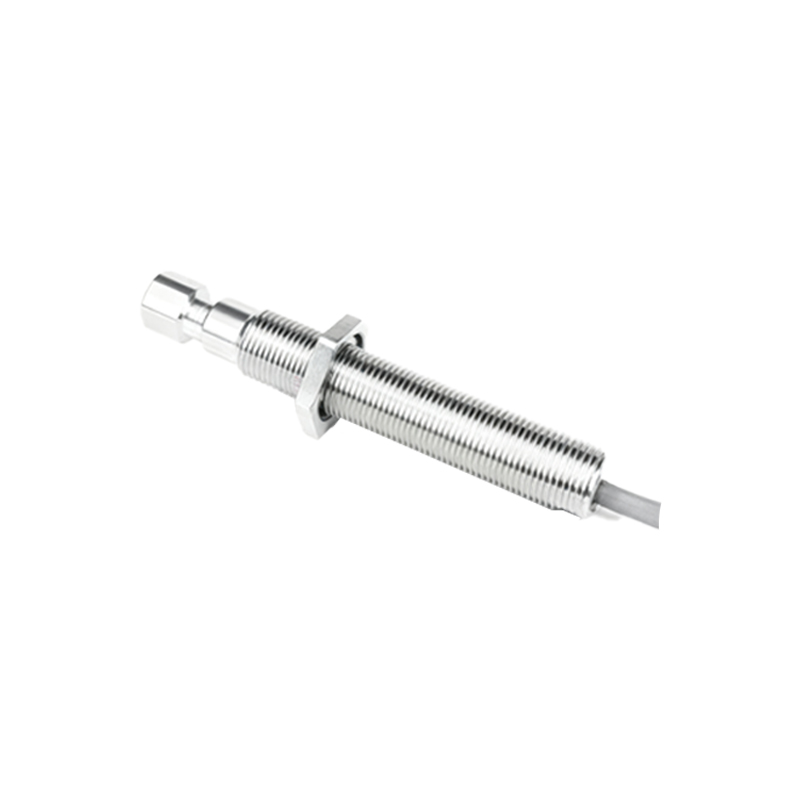
Next, the electronic circuitry is assembled, incorporating components like oscillators, demodulators, and output stages. Surface-mount technology (SMT) is commonly employed for circuit board assembly, allowing for compact designs and high reliability. The oscillator generates an electromagnetic field around the active face of the sensor. When an object enters this field, it alters the capacitance, triggering a signal change that is processed by the demodulator. This signal is then converted into a switch output, such as PNP or NPN transistor configurations, compatible with industrial control systems. Calibration is critical at this stage; each sensor must be tuned to detect specific materials and distances, often adjustable via potentiometers or digital interfaces.
Quality assurance involves rigorous testing under simulated operational conditions. Sensors undergo checks for sensitivity, response time, temperature stability, and immunity to electrical noise. Environmental testing includes exposure to extreme temperatures, humidity, and vibration to meet industry standards like IEC 60947-5-2. Manufacturers also implement ESD (electrostatic discharge) protection and shielding to prevent false triggers in electrically noisy environments.

In the industry, trends are shifting toward miniaturization and smart features. Modern capacitive sensors now integrate IO-Link communication for real-time diagnostics and parameter adjustments, enhancing Industry 4.0 compatibility. Additionally, hygienic designs with smooth surfaces and FDA-approved materials are gaining traction in food and pharmaceutical sectors.
To optimize production, manufacturers adopt lean principles and automation, reducing waste and ensuring consistency. Supply chain management focuses on sourcing high-grade raw materials to mitigate defects. As demand grows for energy-efficient and versatile sensors, research continues into new materials like conductive polymers and advanced algorithms for improved object discrimination.
Ultimately, the production of capacitive proximity sensors blends electrical engineering, material science, and precision manufacturing. By adhering to strict protocols and embracing innovation, manufacturers deliver sensors that enhance safety, efficiency, and automation across industries from packaging to automotive assembly.