In the rapidly evolving landscape of new energy—encompassing solar, wind, electric vehicles (EVs), and energy storage systems—the demand for reliable, precise, and durable sensing technology has never been higher. Proximity sensors play a critical, often understated role in this sector. They are the silent guardians ensuring operational safety, efficiency, and automation in applications ranging from battery management and motor control to turbine pitch adjustment and robotic assembly lines. Selecting the right brand is not merely a procurement decision; it is a strategic investment in system integrity and longevity. This article provides an expert-led ranking of the top five proximity sensor brands that are currently setting the standard for performance and innovation in the new energy industry.
The evaluation criteria are stringent, reflecting the harsh demands of new energy environments. Key factors include product durability under extreme temperatures and vibrations, precision and repeatability of measurement, resistance to electromagnetic interference (EMI)—a critical concern in high-power applications—energy efficiency of the sensor itself, seamless integration capabilities with digital control systems (like PLCs and IoT platforms), and the robustness of global technical support and supply chain. The following brands have consistently demonstrated excellence across these parameters.
1. Turck
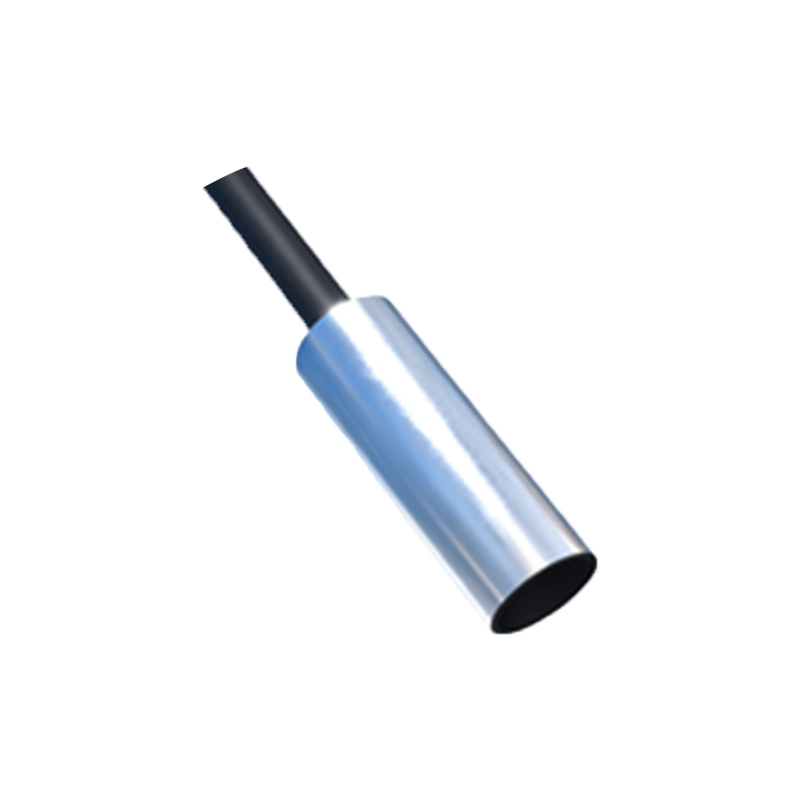
A German powerhouse in industrial automation, Turck stands at the forefront for a reason. Their proximity sensors, particularly the QS30 and BI series, are renowned for exceptional resilience. Engineered with high-grade stainless steel housings and advanced sealing (IP67, IP69K), they thrive in the demanding conditions of outdoor wind farms or the oily, humid interiors of EV manufacturing plants. Turck's expertise in developing sensors with excellent noise immunity makes them a top choice for integration near high-frequency inverters and motor drives. Their extensive portfolio includes inductive, capacitive, and ultrasonic sensors, offering tailored solutions for detecting everything from metallic rotor positions to composite materials in blade assemblies.
2. Pepperl+Fuchs
Another German leader, Pepperl+Fuchs, is synonymous with intrinsic safety and innovation, especially in hazardous areas—a consideration in battery production and hydrogen energy systems. Their sensors are benchmarks for reliability. The company excels in developing specialized variants, such as weld-field immune inductive sensors crucial for robotic welding cells in EV chassis production, and high-temperature models capable of withstanding the heat near power converters. Their focus on IO-Link technology is a significant advantage, enabling smart sensor functionality for predictive maintenance and detailed process data acquisition, which is vital for optimizing energy output and minimizing downtime in solar or wind installations.
3. Balluff
Balluff combines German precision with a strong focus on modularity and connectivity. Their BALLUFF RFID systems, often integrated with proximity sensors, are revolutionizing traceability in battery module production. For pure proximity sensing, their BOS series offers compact, high-performance sensors with impressive sensing ranges. Balluff is a pioneer in industrial networking, ensuring their sensors communicate flawlessly via PROFINET, EtherNet/IP, or IO-Link. This makes them ideal for the highly automated, data-driven factories producing solar panels and EV components, where seamless machine-to-machine communication is essential for throughput and quality control.
4. Omron
The Japanese giant Omron brings unparalleled expertise in miniaturization and electronic refinement. Their E2E and E2A series proximity sensors are celebrated for their consistent accuracy and long operational life. Omron's strength lies in providing cost-effective, high-volume solutions without compromising quality—a key factor for large-scale renewable energy projects. Their sensors feature advanced diagnostics and stable detection of small or fast-moving objects, making them perfect for precision assembly tasks in gearbox manufacturing for wind turbines or placing micro-components in power inverter PCBs. Omron's global support network ensures availability and service across all major markets.
5. ifm electronic
ifm electronic rounds out the list with a philosophy centered on simplicity and system integration. Their sensors are designed to be "plug and work," significantly reducing commissioning time—a valuable trait in fast-paced project deployments. ifm offers a comprehensive range, including innovative cylindrical sensors with integrated logic functions (like the IQ series) and robust capacitive sensors for level detection in coolant or dielectric fluid tanks within energy storage systems. Their commitment to condition monitoring, through vibration or temperature detection capabilities built into some sensor models, aligns perfectly with the predictive maintenance needs of remote and critical new energy infrastructure.
Conclusion and Future Outlook
The choice among these elite brands—Turck, Pepperl+Fuchs, Balluff, Omron, and ifm—ultimately depends on the specific application, environmental challenges, and communication architecture of your new energy project. The overarching trend is clear: the future belongs to "smart" proximity sensors. The integration of IO-Link, enhanced diagnostic data, and robust cybersecurity features will become standard. As the new energy sector pushes the boundaries of power density and operational extremes, these leading brands