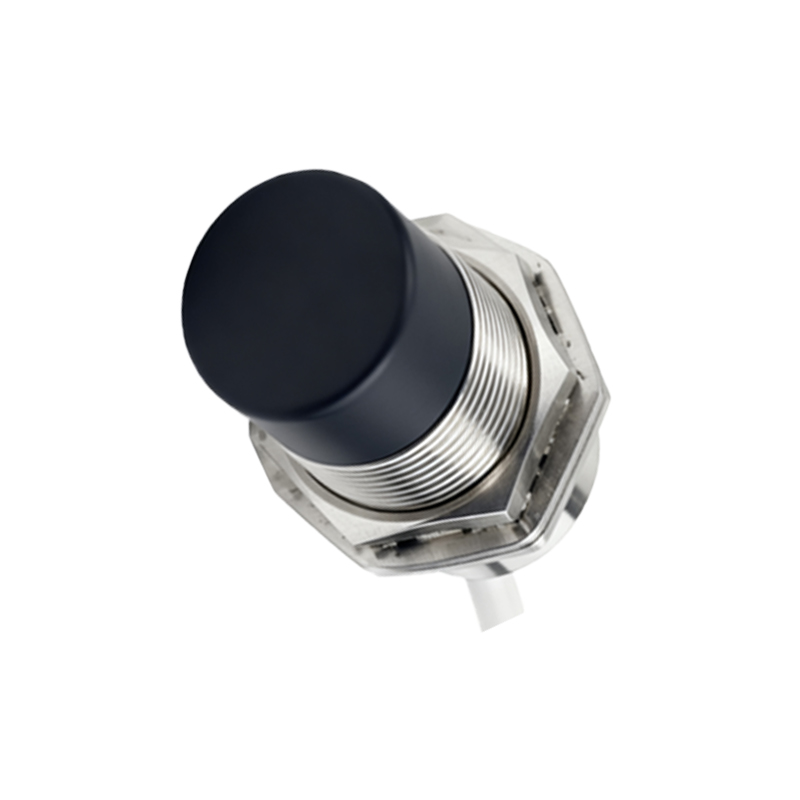
In industrial environments where flammable gases, vapors, or combustible dusts are present, the selection and installation of sensing equipment must adhere to stringent safety standards. Intrinsic safety (IS) proximity sensors are specifically designed to operate in such hazardous locations by ensuring that any electrical or thermal energy produced is insufficient to ignite a specific hazardous atmospheric mixture. Obtaining and verifying the proper certification for these sensors is not merely a regulatory formality—it is a critical component of operational safety, risk management, and legal compliance. This article details the certification landscape for intrinsic safety proximity sensors, outlining key standards, the certification process, and best practices for end-users.
The foundational principle of intrinsic safety is to limit the electrical and thermal energy within a circuit to levels below what is required to ignite a specific hazardous atmosphere. This is achieved through careful design that incorporates current and voltage limiting, as well as energy storage restrictions. Proximity sensors designed for this purpose, whether inductive, capacitive, or magnetic, must be evaluated and certified by accredited bodies to confirm they meet these design criteria under both normal and fault conditions.
Globally, several major certification frameworks govern intrinsic safety equipment. In North America, the primary standard is set by Underwriters Laboratories (UL) and the Canadian Standards Association (CSA) based on the ANSI/ISA 60079-11 standard (aligned with IEC 60079-11). Equipment is typically marked with Class, Division, and Group information (e.g., Class I, Division 1, Groups A, B, C, D for gases). The newer Zone system, harmonized with international practices, is also widely used, with certifications for Zone 0, 1, or 2. In Europe and much of the international market, the ATEX Directive (2014/34/EU) is mandatory for equipment used in potentially explosive atmospheres. ATEX certification involves Notified Bodies and results in the familiar "Ex" marking, detailing the equipment's protection type (ia, ib, or ic for intrinsic safety), gas group (I, IIA, IIB, IIC), and temperature class (T1 to T6). The IECEx System provides an international certification scheme based on IEC 60079 standards, facilitating global acceptance and reducing trade barriers. An IECEx Certificate of Conformity is highly regarded worldwide.
The certification process for an intrinsic safety proximity sensor is rigorous. It begins with the manufacturer's design phase, adhering to the relevant standards. The sensor, and often its associated apparatus like barriers or isolators (which are certified as part of the "entity" or "system" concept), is submitted to an accredited certification body (e.g., UL, CSA, SGS Baseefa, DEKRA). The body conducts a thorough review of design documentation, schematics, and material specifications. This is followed by extensive testing, including spark ignition tests, temperature rise tests under fault conditions, component stress analysis, and verification of safety parameters (Ui, Ii, Pi, Ci, Li). These parameters define the maximum values the sensor can present to the hazardous area and are crucial for proper system integration. Upon successful evaluation, the certification body issues a certificate and a test report. The sensor is then marked with the essential certification information, including the approval agency's logo, certificate number, Ex marking, and safety parameters.
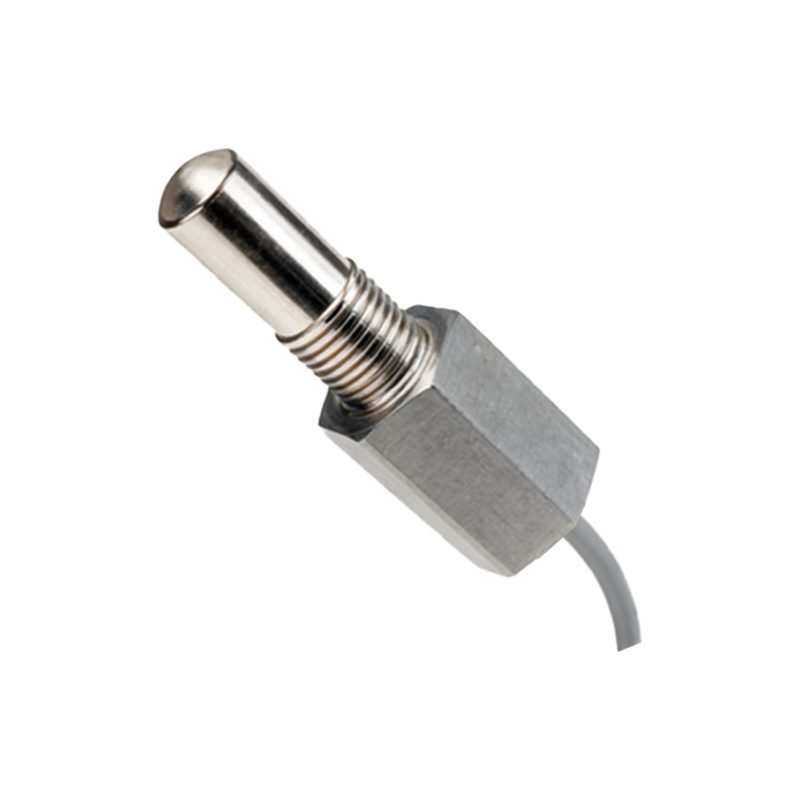
For engineers and plant managers, understanding and verifying this certification is paramount. First, always confirm the sensor's certification is valid and applicable for the specific hazardous area classification (Zone/Division, Gas Group, Temperature Class) of the installation site. Relying on a sensor certified only for Zone 2 in a Zone 0 area is a severe safety violation. Second, intrinsic safety is a system concept. The certified sensor must be connected to an associated apparatus (e.g., a safety barrier or isolator) that is also appropriately certified and whose safety parameters (Uo, Io, Po, Co, Lo) are compatible with the sensor's (Ui, Ii, Pi, Ci, Li). This "matching" of parameters ensures the system's overall intrinsic safety. The installation must strictly follow the control drawing provided in the certification documentation, which specifies allowed cables, grounding requirements, and interconnection details. Third, maintain a record of all certification documents and control drawings for audit and maintenance purposes. Any modification to the sensor, its wiring, or the associated apparatus invalidates the certification unless approved by the certification body. Finally, ensure that personnel performing installation and maintenance are competent and trained in working with intrinsically safe systems.
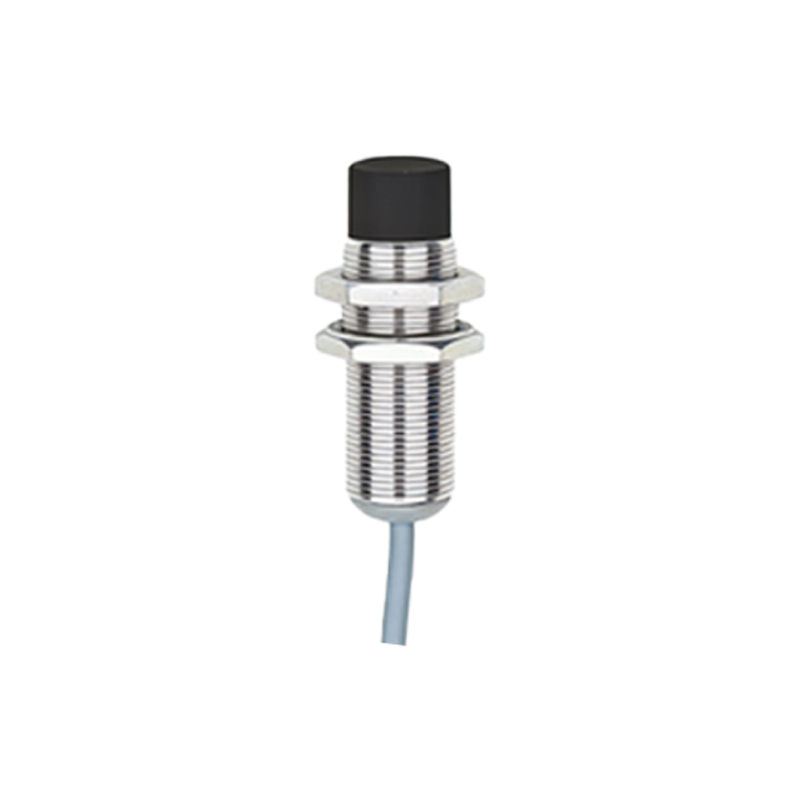
Regular inspection and maintenance are required, but repairs on certified IS equipment are strictly limited. Typically, only simple replacement of components explicitly specified as user-replaceable in the manual is permitted. More complex repairs usually necessitate returning the device to the manufacturer or an approved repair facility to preserve the certification's integrity. Non-compliance can