In the realm of industrial automation and control systems, proximity switch sensors play a pivotal role in detecting the presence or absence of objects without physical contact. These non-contact sensors are indispensable for applications ranging from position sensing and object counting to speed monitoring and safety interlocks. However, the performance and longevity of these sensors are heavily dependent on their electrical connections and environmental resilience. This is where the integration of aviation plugs, also known as circular connectors, becomes a critical engineering consideration.
Aviation plugs, characterized by their robust circular design, threaded coupling mechanisms, and multiple pin configurations, are engineered to withstand extreme conditions. When paired with proximity sensors, they form a formidable solution for challenging industrial settings. The primary advantage lies in their superior sealing capabilities, typically rated according to IP (Ingress Protection) standards such as IP67 or IP68. This ensures protection against dust, moisture, oils, and chemicals that are prevalent in industries like manufacturing, automotive, aerospace, and heavy machinery. For instance, in automotive assembly lines where coolant sprays and metal shavings are common, a proximity sensor with an aviation plug connector maintains reliable signal transmission without degradation due to contamination.
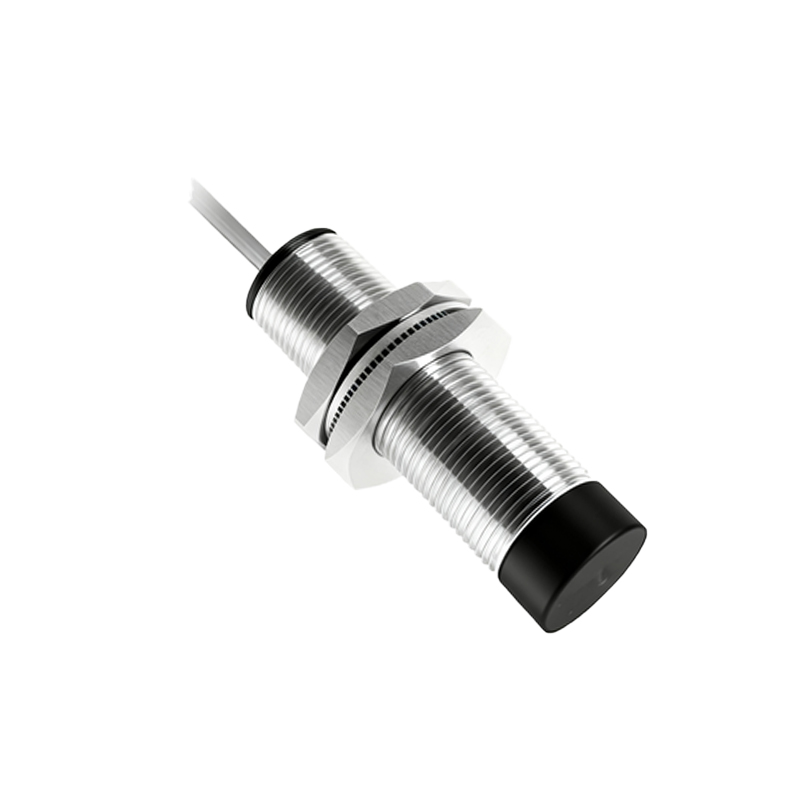
From a technical standpoint, the electrical integrity provided by these connectors is paramount. Aviation plugs offer secure, vibration-resistant connections that prevent accidental disconnection—a common failure point in dynamic or high-vibration environments like robotics or conveyor systems. The locking thread mechanism ensures that the connection remains stable even under constant mechanical stress, thereby reducing downtime and maintenance costs. Moreover, these connectors support various wiring schemes, including quick-disconnect options, which facilitate easier installation and replacement. This is particularly beneficial in complex machinery where sensor accessibility is limited.
The selection of proximity sensor technology—whether inductive, capacitive, or magnetic—further influences the connector choice. Inductive sensors, used for detecting metallic objects, often operate in environments with electromagnetic interference (EMI). Aviation plugs with shielded cables and proper grounding through the connector shell can mitigate EMI effects, ensuring accurate sensing distances and repeatability. Capacitive sensors, sensitive to both metallic and non-metallic materials, might be deployed in humid or wet areas; here, the hermetic seal of aviation plugs prevents condensation from affecting sensor circuitry.
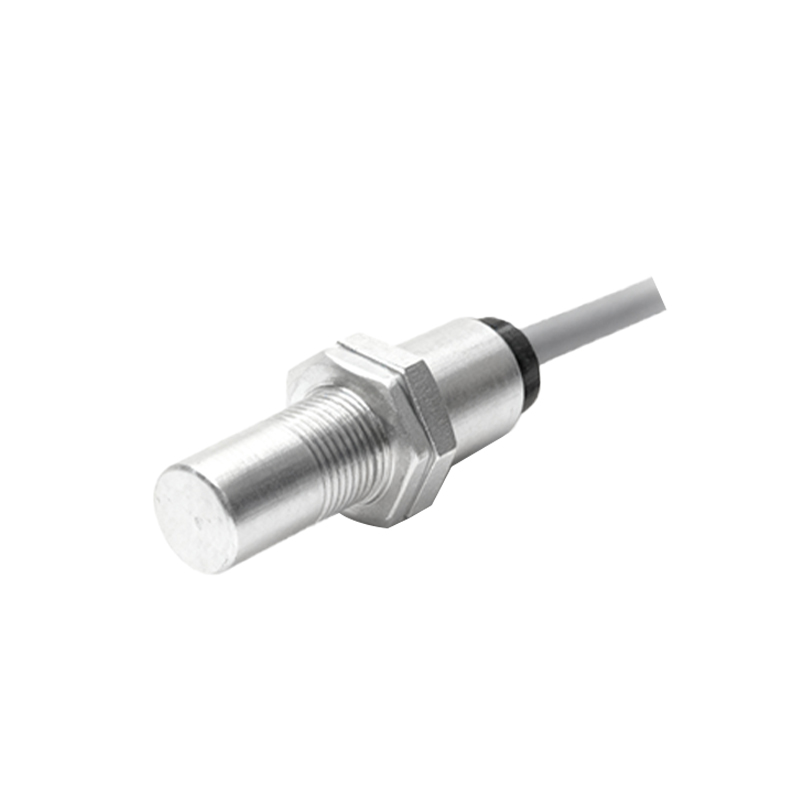
In aerospace and defense applications, the stakes are even higher. Proximity sensors monitor critical parameters such as landing gear position, door status, or engine component alignment. Aviation plugs used in these sectors often comply with stringent military or aerospace standards (e.g., MIL-DTL-5015 or EN 3645), featuring materials like corrosion-resistant alloys, advanced potting compounds, and fire-retardant housings. These connectors ensure not only operational reliability but also safety in extreme temperatures and pressure variations.
From an installation and maintenance perspective, the modularity offered by aviation plug connectors simplifies system design. Engineers can pre-wire sensors and connectors separately, reducing on-site assembly time. Color-coded or keyed connectors prevent mating errors, while the robust construction minimizes wear from frequent plugging and unplugging during maintenance cycles. Additionally, many modern aviation plugs are designed for tool-less assembly, allowing field technicians to replace cables without specialized equipment.
However, integrating aviation plugs with proximity sensors requires careful planning. Factors such as pin count (to accommodate power, signal, and diagnostic lines), voltage/current ratings, cable gland compatibility, and environmental certifications must align with the application demands. For example, in food and beverage processing, sensors with aviation plugs might need FDA-compliant materials and smooth surfaces to prevent bacterial growth. Similarly, in offshore oil rigs, connectors must resist saltwater corrosion and high-pressure washdowns.
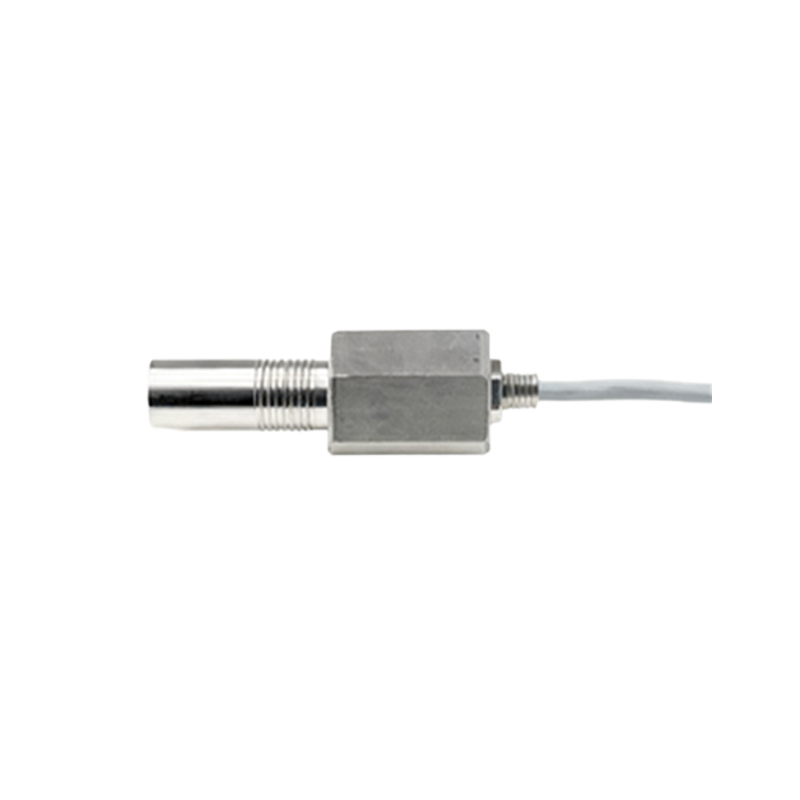
In conclusion, the synergy between proximity switch sensors and aviation plugs elevates system robustness in harsh industrial landscapes. By ensuring durable, sealed, and reliable electrical connections, this combination addresses common pain points like environmental ingress, vibration-induced failures, and maintenance complexity. As industries evolve towards Industry 4.0 and IoT-enabled smart factories, the demand for such integrated solutions will only grow, driven by the need for uninterrupted data acquisition and control. Engineers specifying these components should prioritize quality certifications, application-specific testing, and lifecycle cost analysis to optimize performance and return on investment. Ultimately, in the intricate dance of automation, every connection counts—and aviation plugs help proximity sensors perform flawlessly, even when the going gets tough.